Controversy over state vehicle acquisitions under Sonko’s leadership
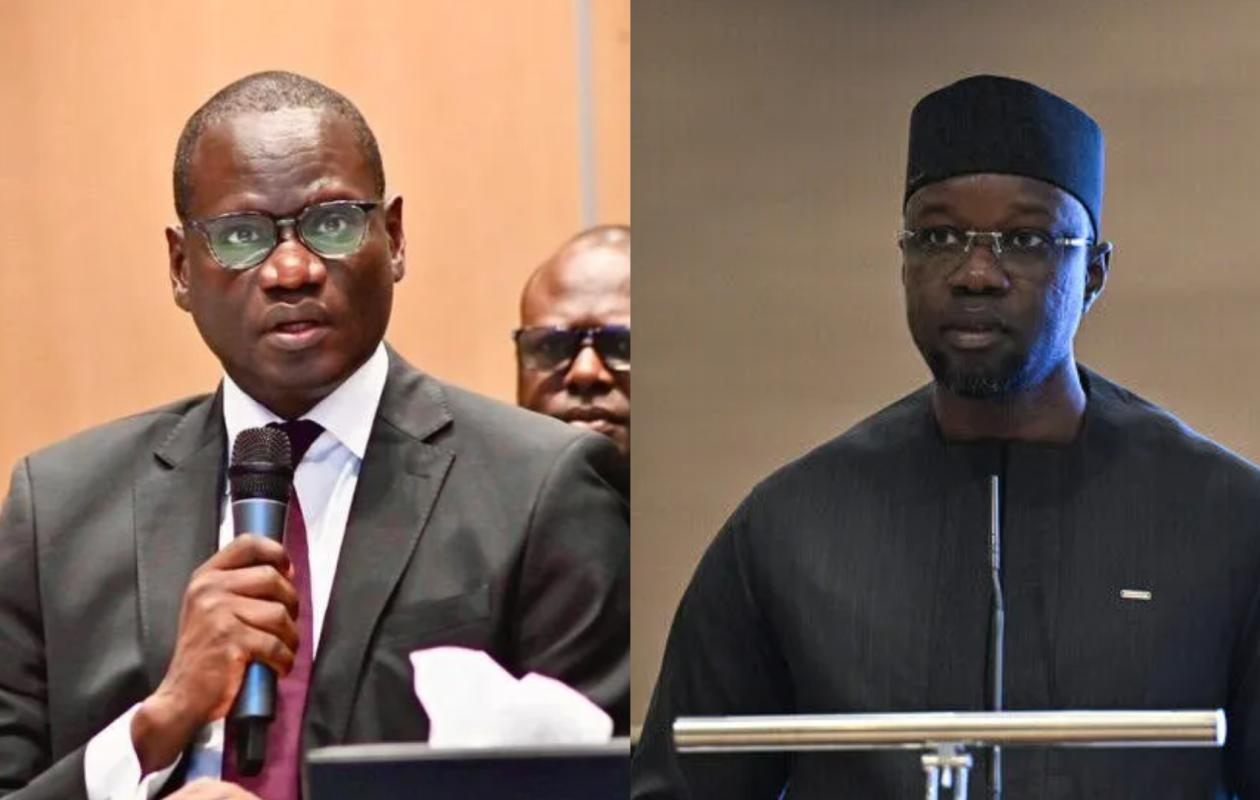
Senegal’s political landscape is once again rocked by debate over the management of public funds, this time focusing on vehicle acquisitions during the tenure of former Prime Minister Ousmane Sonko. Minister Abdourahmane Diouf has reignited the discussion, questioning the legitimacy of purchases made with political funds.
Diouf highlights operational challenges in public service vehicles
Abdourahmane Diouf, reflecting on his time as Minister of Higher Education, shared an incident where his official vehicle broke down en route to a national team football match ahead of a ministerial reshuffle. Describing the state of government vehicles, he remarked, « All the cars were in a deplorable state, barely functional. »
Contradictions in spending directives
Diouf pointed out a contradiction in directives issued by Sonko during his premiership. While Sonko reportedly instructed that no new vehicle purchases be made, claims suggest that over 900 million FCFA was later allocated for luxury car acquisitions. The minister questioned how such spending aligned with earlier prohibitions.
Luxury vehicles purchased with political funds?
According to Diouf, the vehicles in question were not standard government cars but high-end models, including Maybachs. He alleged these were procured using political funds, raising concerns about compliance with administrative regulations that typically restrict state purchases to new vehicles.
Legal and procedural concerns
Diouf also raised questions about the nature of the acquisitions, noting that regulations often prohibit the state from acquiring used vehicles. He suggested the cars may have been repossessed assets, further complicating the legitimacy of the purchases. His statements have intensified scrutiny over the use of special funds and the transparency of financial transactions within government circles.
Pending verification of claims
While Diouf’s assertions highlight serious irregularities, the specifics—including the exact expenditure, vehicle models, and procurement methods—remain unverified. Financial and administrative records will need to be reviewed to confirm the details of these transactions and determine whether proper procedures were followed.