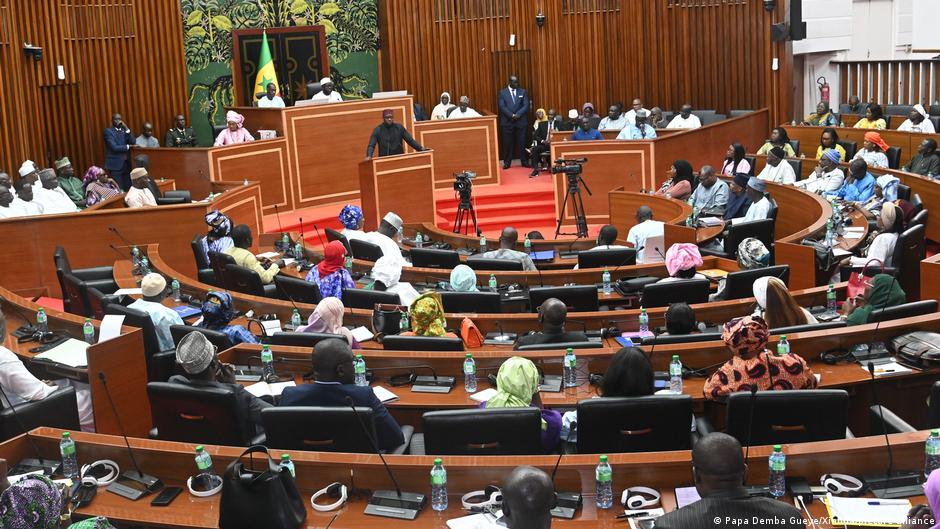
The debate over Senegal’s political transparency has reached a critical stage. On Monday, August 17, 2026, lawmakers approved a landmark bill requiring top officials to declare their assets before and after their terms. The legislation, supported by 133 of 165 deputies, marks a significant step toward curbing corruption and fostering public trust in governance.
Under the new law, the President of the Republic, the Prime Minister, and the Speaker of the National Assembly must submit their asset declarations to the Constitutional Council—both at the start and end of their mandates, within a three-month window. The reform builds on a constitutional requirement first introduced in 2001, reinforcing existing transparency measures.
The Pastef, the party led by National Assembly President Ousmane Sonko, has hailed the legislation as a victory for accountability. “This law will strengthen transparency in public administration, aligning with Pastef’s commitment to combating illicit enrichment and wasteful spending,” said Ansoumana Sambou, a member of the party’s national communications secretariat. “It empowers citizens to scrutinize their leaders’ wealth, ensuring resources are used responsibly.”
From legislative victory to constitutional referendum
Despite the parliamentary triumph, the journey is far from over. The President of the Republic has opted to subject the reform to a national referendum, as outlined in Article 4 of Article 103 of the Constitution. According to Justice Minister Moussa Sarr, this decision reflects a broader constitutional discussion rather than a simple legislative process.
Justice Minister Moussa Sarr emphasized that the referendum aligns with a deeper reflection on constitutional reforms, underscoring the government’s intent to embed transparency within the country’s foundational laws.
A costly path to approval
Not everyone supports the referendum route. Analyst Moussa Diaw questioned the necessity of a costly vote when the principle of asset declaration already enjoys broad consensus. “Why subject a widely accepted law to a referendum that will strain Senegal’s already fragile economy? The public has never disputed the need for such transparency,” he argued.
Pastef’s Ansoumana Sambou echoed this sentiment, stating that the reform enjoys overwhelming public support. “Declaring assets at the start and end of term, regardless of position, is widely seen as a positive measure—one that should not be politicized,” he noted.
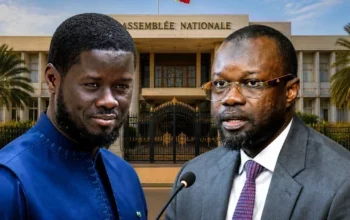
The asset declaration reform has evolved beyond a routine institutional process, becoming a flashpoint in Senegal’s political landscape. With tensions rising between the Pastef, led by Ousmane Sonko, and the presidential movement under Bassirou Diomaye Faye, Wednesday’s debate on special credits—often criticized as opaque funds managed by the presidency and prime minister’s offices—could further inflame divisions.