Sénégal: what impact will the new asset declaration law have on top officials?
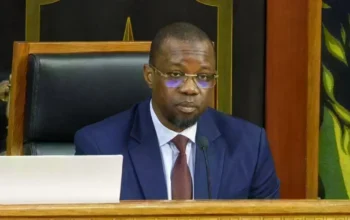
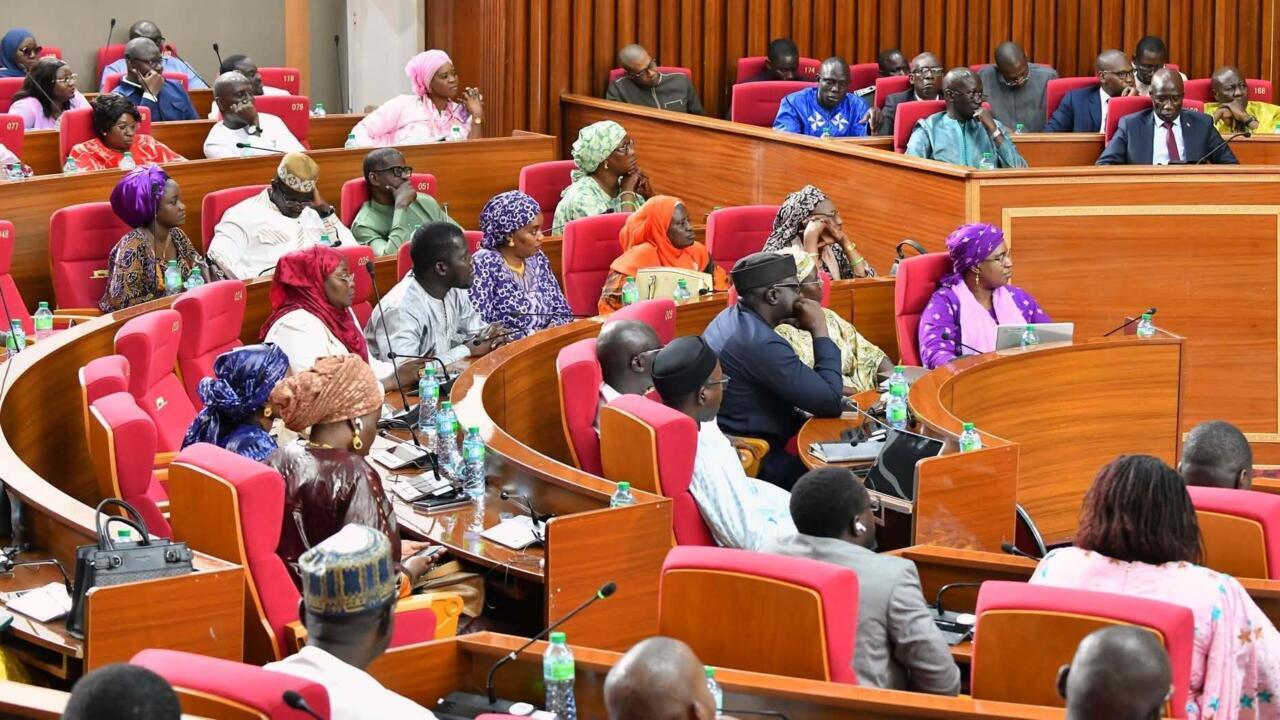
The National Assembly has just passed a new law, championed by the ruling Pastef party, requiring high-ranking government officials to submit a second asset declaration upon leaving office—adding to the existing requirement at the start of their terms. This move raises critical questions: does the law apply to the three current officeholders? Will President Bassirou Diomaye Faye sign it into force? These provisions were originally part of a broader constitutional reform package that was struck down by the Constitutional Council.
Insights from Moussa Diaw, emeritus professor of political science at the University Gaston Berger in Saint-Louis, Senegal.
What does the new law change?
The freshly adopted legislation introduces a second asset declaration for high-ranking officials at the end of their mandates. This supplements the initial declaration they must file when taking office. The goal is to reinforce transparency and accountability in public office by ensuring officials remain honest throughout their service and after leaving their posts.
Who does it affect?
The law targets the most senior figures in the government, including the President, ministers, and other top officials. Whether it applies to those currently in office remains a point of debate. The provision was initially part of a constitutional revision package, but the Constitutional Council rejected that package, leaving the standalone asset declaration law in a legal gray area.
Next steps: will the President sign it?
President Bassirou Diomaye Faye now faces a pivotal decision: whether to promulgate this law. If enacted, it would mark a significant step toward greater transparency in Senegal’s public sector. However, questions linger about its retroactive application and enforcement mechanisms.
Why does this matter?
Asset declaration laws are vital tools for combating corruption and promoting good governance. By requiring officials to declare their assets at both the start and end of their terms, Senegal aims to deter illicit enrichment and ensure public trust in its institutions. The law’s adoption reflects a broader commitment to democratic accountability and financial integrity.
As the debate unfolds, all eyes will be on the President’s next move—and the broader implications for Senegal’s political landscape.