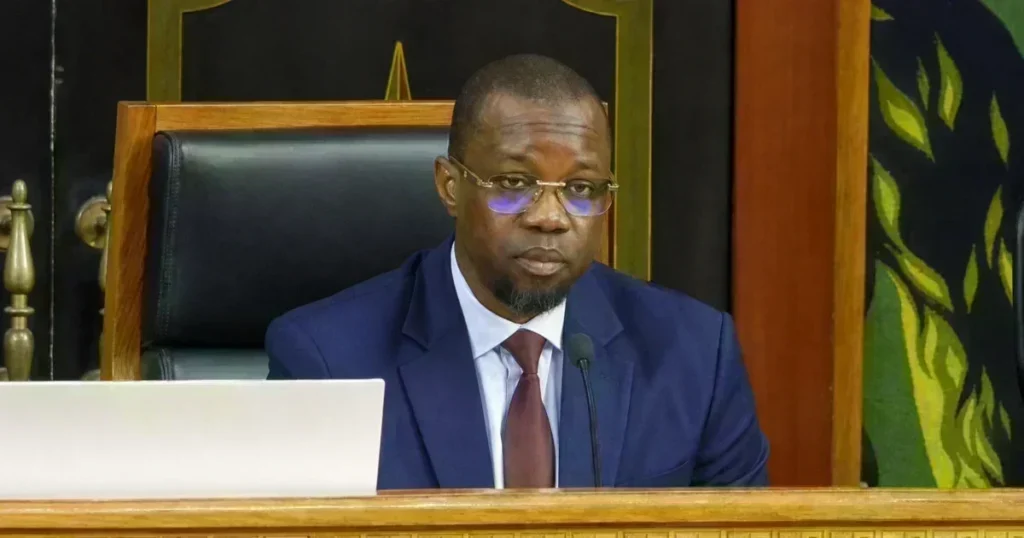
The Senegalese National Assembly has responded to claims raised by opposition leader Ousmane Sonko regarding the legality of six parliamentary inquiry commissions proposed during the opening of the extraordinary session on August 10, 2026.
The president of the National Assembly addressed deputies firsthand, clarifying the legal framework governing such initiatives: “The law explicitly states that parliament cannot establish a commission to investigate cases already under judicial review,” he stated. He further confirmed having personally verified this compliance with the Minister of Justice, who responded last week that out of the five cases in question, only one—related to land management around the former Dakar airport site—had no active judicial proceedings.
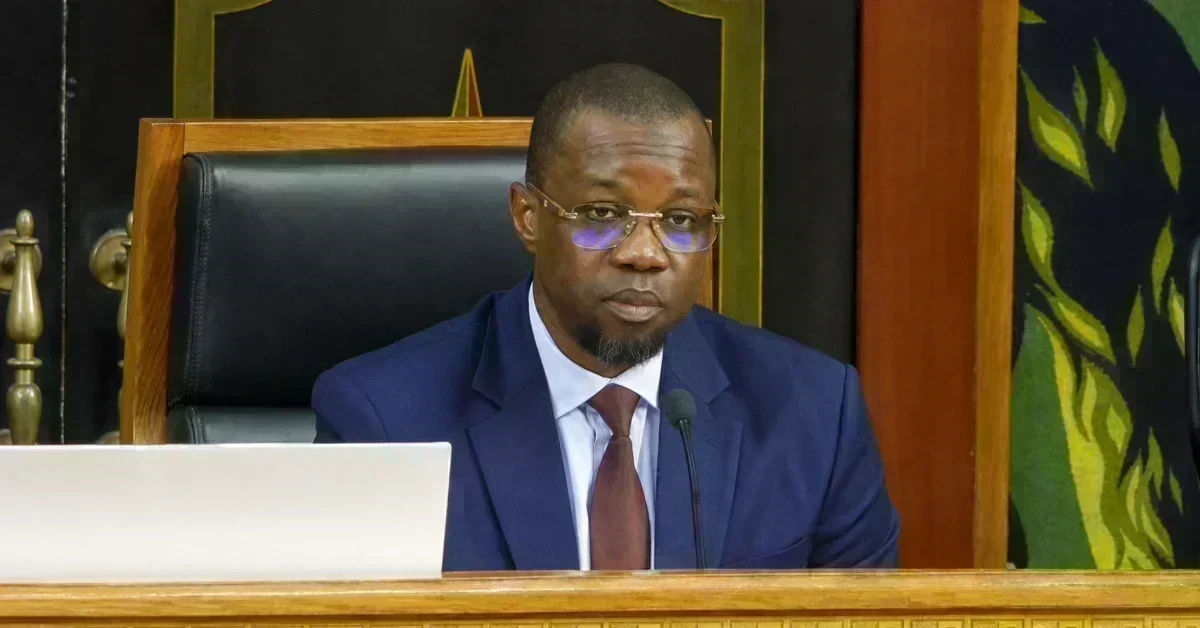
Parliamentary inquiry commissions under scrutiny
The extraordinary session, which runs through August 24, 2026, and is limited to 15 days by Organic Law No. 2025-11 of August 18, 2025, includes 11 legislative items: two private member bills, three government bills, and six requests for parliamentary inquiry commissions. Key topics on the agenda include land management near the former Dakar airport, the “One Student, One Laptop” program, revenue losses from tax exemptions, and fishing license issuance conditions.
Sonko emphasized that none of the proposed commissions overlap with ongoing judicial cases, except for the land management inquiry, which remains unaffected by current legal proceedings. This clarification comes after opposition figures questioned the timing and legitimacy of these investigative bodies, particularly given their focus on sensitive governance issues.
Legal compliance and political implications
The National Assembly’s legal team confirmed that all inquiry requests comply with national legislation, which prohibits parliament from investigating matters already before the courts. The minister’s written response to Sonko’s inquiry confirmed that only the land management case near the former airport site had been reviewed, while the remaining five cases—covering student laptop programs, tax exemptions, and fishing licenses—posed no conflict with judicial processes.
The session’s condensed timeline and high-stakes agenda reflect the political tensions surrounding these inquiries, with critics arguing that the commissions represent an attempt to exert legislative oversight over executive branch decisions. Supporters, however, view them as essential tools for transparency and accountability in governance.
You may also like
As donor fatigue spreads, can Benin’s €544,042 UNAIDS pledge keep the HIV response on track?
Who pays the price when Burkina Faso’s public payroll contracts? Households weigh the cost of 1,917 fewer agents
Libya pushes for direct Tripoli-Yaoundé flights as Cameroon sets up working groups
JNIM seizes three Burkinabè positions in a single day as Traoré’s security record faces hard questions
Chad condemns Ennedi-East airstrikes at un general assembly, warns of retaliation