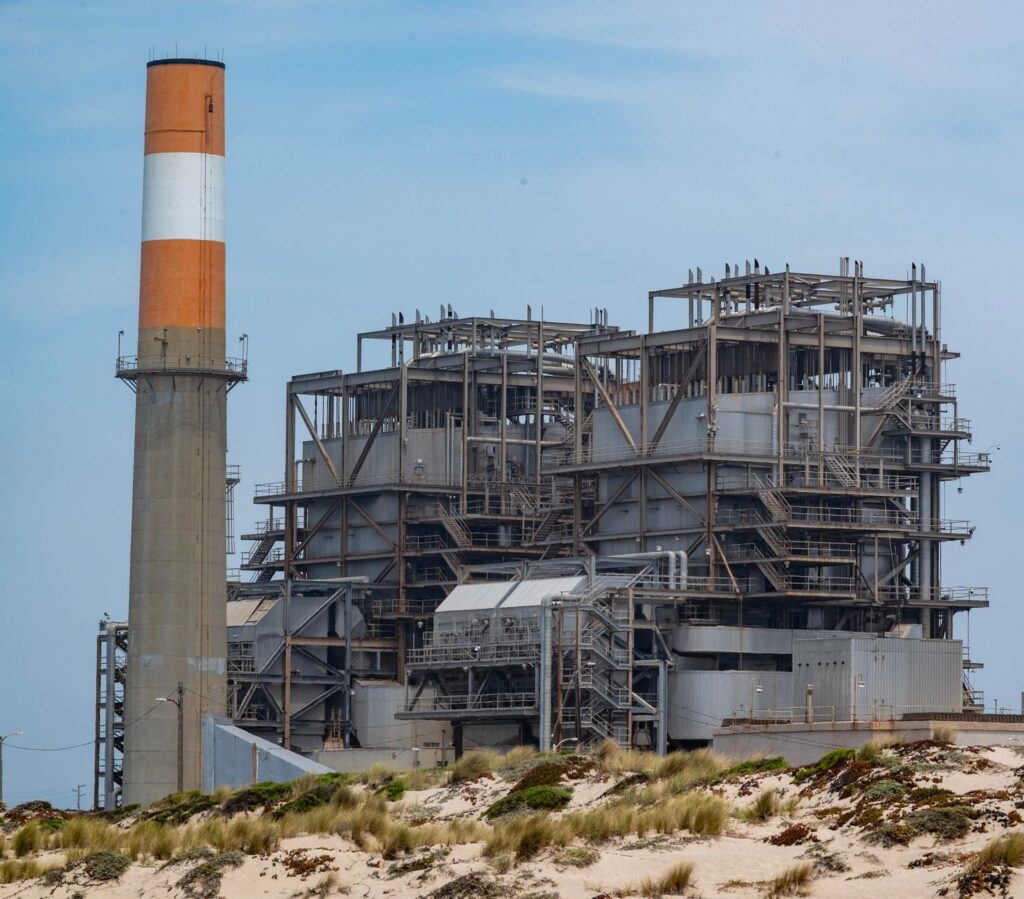
The Cameroonian government is advancing negotiations to acquire the 56% stake owned by British energy group Globeleq in two key power generation firms. Discussions are underway in Yaoundé to finalize the buyout of Globeleq’s shares in Kribi Power Development Company (KPDC) and Dibamba Power Development Company (DPDC), with an indicative valuation of 80 billion FCFA (approximately $138 million). While no formal bid has been filed yet, talks have progressed sufficiently to suggest a potential conclusion by the end of 2026.
Kribi and Dibamba: pillars of Cameroon’s energy mix
These assets are far from insignificant. The Kribi gas-fired power plant, commissioned in 2013 in the South region, boasts a 216-megawatt capacity and powers the interconnected southern grid, the country’s primary consumption hub. The Dibamba thermal plant, fueled by heavy oil and located near Douala, contributes 88 megawatts and serves as a backup during peak demand or hydroelectric shortfalls. Together, these facilities form a critical component of Cameroon’s thermal power capacity, which operates alongside a dominant but rainfall-dependent hydropower sector.
The gradual ramp-up of the Nachtigal dam, nearing full operational status, is reshaping Cameroon’s energy landscape. Authorities aim to reintegrate existing thermal assets into a more balanced framework, where the Kribi gas plant maintains its foundational role while Dibamba functions primarily as a contingency resource. Regaining direct control over these facilities would empower the state to influence operational decisions, maintenance strategies, and pricing policies more decisively.
A move with far-reaching strategic implications
Globeleq, backed by the UK’s CDC Group and Norway’s Norfund, entered Cameroon’s energy sector in 2014 by acquiring shares previously held by AES. Now, its planned exit reflects a broader trend across Africa, where independent power producers are reassessing their portfolios amid evolving regulatory landscapes and growing state ambitions to reclaim control over strategic infrastructure. Cameroon is no exception, particularly as the electricity sector grapples with deep-seated challenges, including the financial fragility of state-owned utility Sonatrel and persistent arrears owed to private producers.
The proposed price tag of 80 billion FCFA raises critical financial considerations. Cameroon’s fiscal space is constrained by debt servicing obligations and commitments under its ongoing IMF program. Possible funding avenues include multilateral support, dedicated bond issuances on the Beac regional market, or the involvement of a technical partner. The chosen transaction structure will also determine future tariff adjustments, a sensitive issue in a country where electricity prices are regulated and any increase risks sparking social unrest.
An operation watched closely in central Africa
Beyond Cameroon’s borders, the outcome of this deal will be closely monitored by private investors involved in independent power projects across sub-Saharan Africa. A smooth, well-structured transaction that ensures operational continuity could bolster investor confidence in neighboring markets like Gabon, the Republic of the Congo, or Côte d’Ivoire. Conversely, an ill-conceived agreement or poorly managed exit could undermine the country’s appeal for future private financing in energy, just as investment needs in generation, transmission, and distribution remain pressing.
The tight timeline outlined in discussions implies that key sticking points—especially the final valuation and the fate of existing power purchase agreements—must be resolved within the coming months. Finalization before the end of 2026 is still anticipated.
You may also like
As donor fatigue spreads, can Benin’s €544,042 UNAIDS pledge keep the HIV response on track?
Who pays the price when Burkina Faso’s public payroll contracts? Households weigh the cost of 1,917 fewer agents
Libya pushes for direct Tripoli-Yaoundé flights as Cameroon sets up working groups
JNIM seizes three Burkinabè positions in a single day as Traoré’s security record faces hard questions
Chad condemns Ennedi-East airstrikes at un general assembly, warns of retaliation