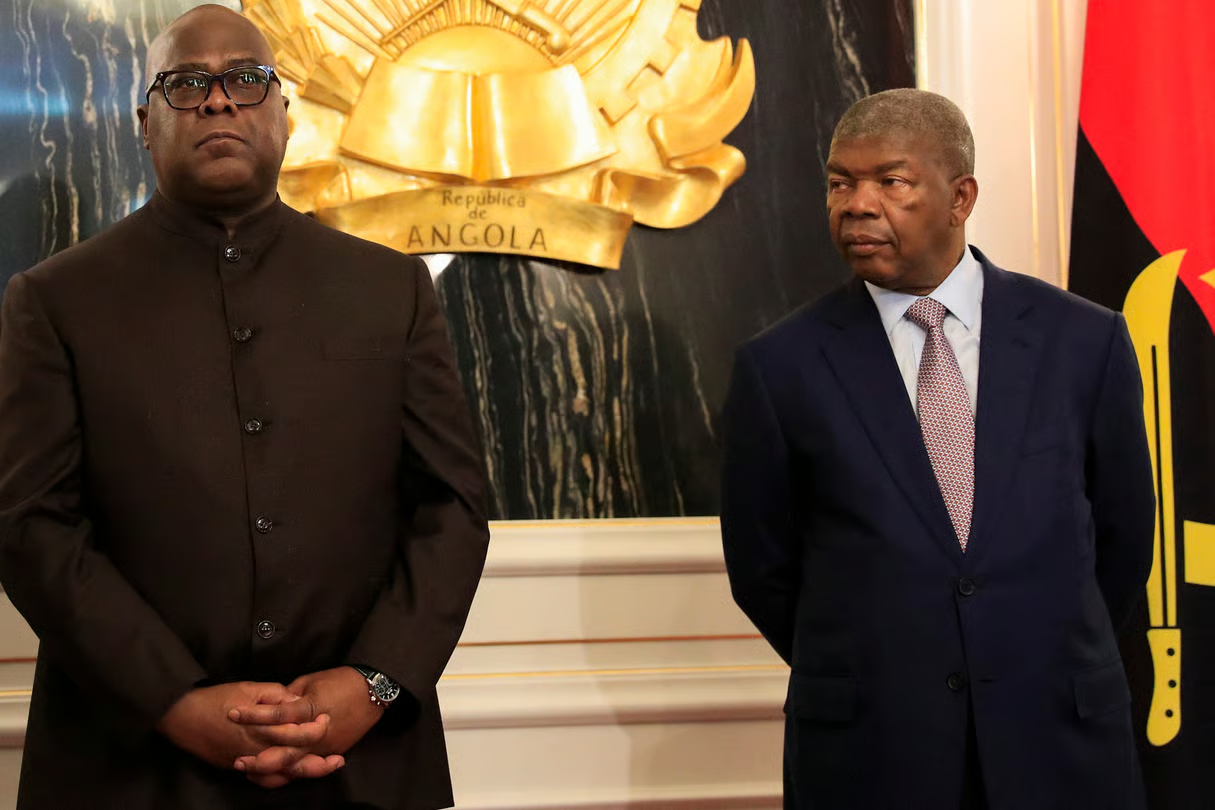
Behind the scenes of a high-stakes diplomatic standoff
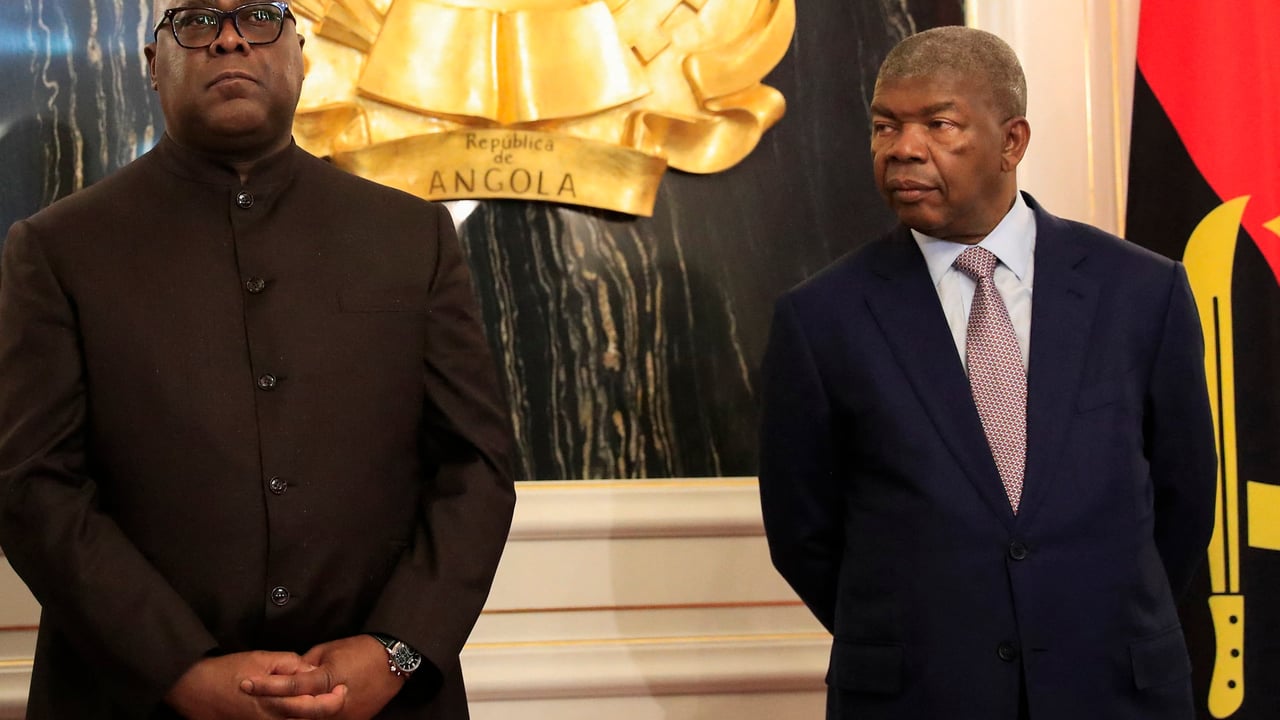
In early January 2026, the corridors of power in Luanda became the unlikely stage for a tense diplomatic showdown. At its center stood two African leaders whose visions for regional stability clashed in unprecedented ways. Félix Tshisekedi, President of the Democratic Republic of the Congo, and João Lourenço, his counterpart from Angola, faced off in a series of closed-door meetings that would shape the future of Central Africa.
The discussions, shrouded in secrecy, revealed deep fractures in their approaches to regional security. While Tshisekedi pushed for a more assertive stance against armed groups operating near Congo’s borders, Lourenço advocated for dialogue and gradual confidence-building measures. The divide mirrored broader tensions across the continent, where competing strategies for peace and governance often collide.
What sparked the conflict?
The roots of the disagreement stretch back to 2024, when Tshisekedi launched a sweeping military campaign against the M23 rebel group in eastern Congo. The offensive, supported by regional allies, initially succeeded in pushing back the militants. However, allegations of human rights abuses and cross-border tensions with neighboring countries soon overshadowed the victory.
Angola, under Lourenço’s leadership, took issue with Congo’s unilateral military approach. Officials in Luanda argued that the campaign risked destabilizing the entire Great Lakes region, potentially reigniting dormant conflicts and displacing thousands more civilians. The Angolan president instead championed a negotiated settlement, leveraging Angola’s historical role as a mediator in regional disputes.
Key moments in the negotiations
The January talks were not the first attempt at reconciliation. Earlier in 2025, both leaders met on the sidelines of the African Union Summit in Addis Ababa, where they agreed to a tentative framework for cooperation. Progress, however, stalled amid mutual distrust and competing national interests.
During the Luanda meetings, the intensity of the debate became clear. Tshisekedi reportedly insisted on immediate action against armed factions, while Lourenço countered with proposals for phased disarmament and dialogue with rebel leaders. Sources familiar with the discussions described moments of heated exchanges, particularly over Congo’s refusal to engage with certain militant groups labeled as terrorists by the African Union.
One critical point of contention involved the role of former Congolese President Joseph Kabila. Lourenço reportedly suggested that Kabila could play a constructive role in brokering peace, a proposal Tshisekedi firmly rejected. The Congolese leader viewed Kabila’s involvement as a potential threat to his authority and the legitimacy of his government’s security policies.
What’s next for Congo-Angola relations?
As the standoff continues, both leaders face mounting pressure to find common ground. Tshisekedi must balance his military objectives with the need for regional stability, while Lourenço seeks to assert Angola’s influence as a stabilizing force in Central Africa. The outcome of these negotiations could redefine the power dynamics in the Great Lakes region for years to come.
The international community, including key partners like the United Nations and the European Union, has called for restraint and a return to dialogue. Observers warn that further escalation could have catastrophic consequences, not just for Congo and Angola, but for the entire subregion.
Analysts weigh in on the crisis
Political analysts are divided over who holds the upper hand in this confrontation. Some argue that Tshisekedi’s military campaign has weakened the M23 sufficiently to give him leverage in negotiations. Others contend that Lourenço’s diplomatic strategy, backed by Angola’s growing regional influence, offers a more sustainable path to peace.
One thing is certain: the resolution of this crisis will require painful compromises from both sides. Whether they can bridge their differences remains an open question—one that will define the future of Central Africa.