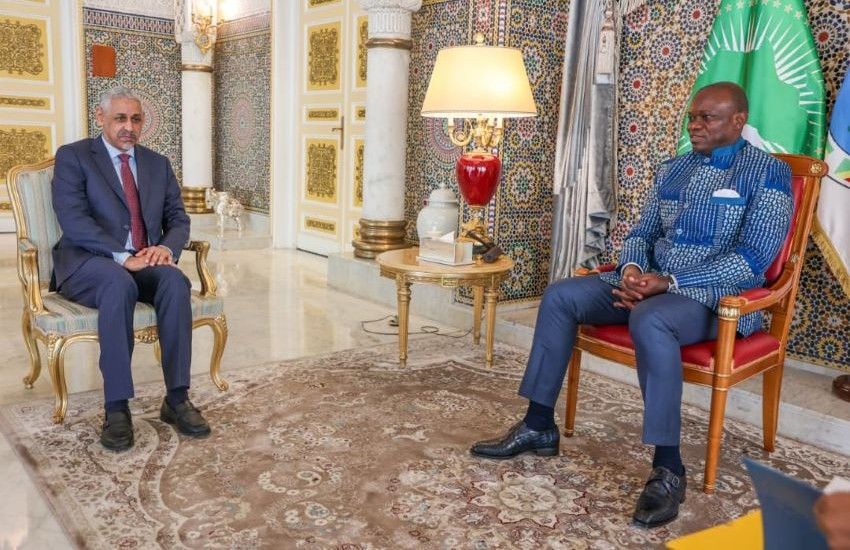
Gabon and African Development Bank forge new partnership on priority projects
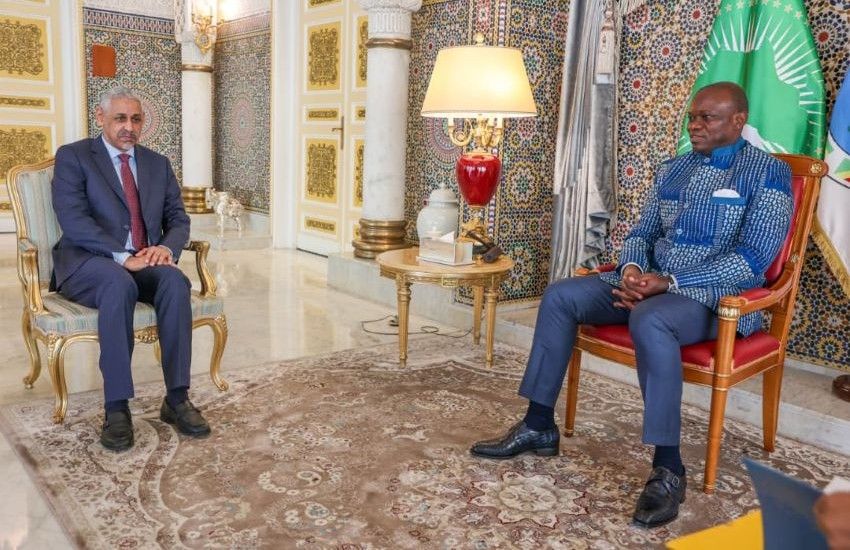
Libreville, August 15, 2026 – The partnership between Gabon and the African Development Bank is entering a new phase. During a meeting held in Libreville on August 14, President Brice Clotaire Oligui Nguema welcomed the new AfDB president, Sidi Ould Tah, for discussions that went beyond reviewing the bank’s existing portfolio in the country.
The Gabonese authorities are now prioritizing projects that deliver tangible improvements to citizens’ living conditions. Two critical areas emerged from the talks: access to clean water and reliable electricity, and the transformation of the agricultural sector. These domains directly impact household welfare while shaping the nation’s economic competitiveness.
Water and electricity: national priorities
Placing energy and water supply at the top of the agenda reflects their strategic importance. Gabon must expand production and distribution capacities to meet growing demand and alleviate persistent supply shortages affecting communities. The AfDB is committed to supporting this vision through investments in large-scale infrastructure projects.
Discussions focused on enhancing water supply from the Komo River basin, aligning with national directives. Success here depends on coordinated efforts among technical experts, financiers, and local operators to convert available resources into sustainable public services. The goal extends beyond mere infrastructure construction—it aims to create lasting solutions that improve service quality, reliability, and accessibility.
Boosting local production to cut imports
The agricultural sector represents another key focus. Gabon currently relies heavily on food imports, leaving it vulnerable to global price fluctuations, logistics costs, and supply disruptions. President Oligui Nguema is pushing for interventions that strengthen local farming, support producers, and reduce import dependency.
This strategy positions the AfDB partnership as a catalyst for broader economic gains. Investments in agriculture can create jobs, boost rural incomes, enhance food security, and develop domestic value chains—but only if paired with infrastructure, market access mechanisms, and policies that encourage private investment.
Moving from financing to measurable impact
The Libreville meeting underscores a shift toward results-driven collaboration. While celebrating strong bilateral ties, the Gabonese leader emphasized the need for better-structured agreements where AfDB funding targets sectors with direct socio-economic benefits. This approach prioritizes impact over funding volume, focusing on projects that deliver lasting change.
For Gabon, the challenge lies in translating this political alignment into funded, executed, and long-term projects. For the AfDB, success hinges on demonstrating how its support can address the country’s development bottlenecks. The August 14 talks mark the start of a new chapter where water, energy, and agriculture define a partnership built on tangible outcomes rather than promises. In a climate where citizens demand visible progress, success will be measured by the ability of these initiatives to transform daily life—not just by the funds committed.
You may also like
Thali oil permit: can Prime Global Energies’ $15 million rescue finally unlock Cameroon’s stalled Njom-3 well?
Can West Africa’s peace hold without the Entente Council and UNOWAS pact?
Can Lomé’s quiet diplomacy finally deliver peace to eastern DRC?
Can Nigeria’s security forces ever shut down the kidnapping economy in the north?
Can Benin’s defense strategy survive on diversification alone?