BAMAKO — A Russian-linked paramilitary organization operating within Mali has announced the successful suppression of a large-scale coup effort over the weekend. The group reported that coordinated strikes targeted several vital government and military sites, representing what could be one of the most intense security crises to hit the Sahel in recent years.
The security unit, known as Africa Corps, stated that a force comprising between 10,000 and 12,000 combatants launched simultaneous raids on Saturday. These attacks were aimed at strategic positions in the capital, Bamako, the critical military center of Kati, and northern urban hubs such as Gao, Kidal, and Sévaré.
According to social media updates from the paramilitary group, the insurgents attempted to take control of essential infrastructure. Primary targets included the presidential palace, various military barracks, and a significant ammunition storehouse in Kati, which serves as a primary command center for the Mali armed forces.

Conflicting reports and unidentified participants
Africa Corps has blamed the offensive on a diverse coalition of armed groups, including the Front for the Liberation of Africa and an Al-Qaeda affiliate active in the Sahara. Furthermore, the paramilitary force claimed that “Ukrainian mercenaries” were involved, alleging indirect assistance from Western intelligence agencies.
These accusations have not been verified by independent sources. To date, neither Ukraine nor any Western administrations have provided a response to these claims. The paramilitary group asserts that its personnel have regained control of all contested areas and “neutralized over 1,000 combatants.” The transitional government in Mali has not yet provided official casualty figures or a formal confirmation of the event’s magnitude.
Escalating volatility in the Sahel
The reported level of organization and the breadth of the attacks highlight the precarious nature of security in Mali. The current military-led administration has faced ongoing difficulties in managing various insurgencies since taking power. While northern territories like Kidal and Gao are frequently the site of clashes between jihadists and separatists, Bamako has historically been shielded from such large-scale operations.
This latest incident coincides with intensified fighting involving Tuareg factions and Islamist militants, emphasizing the persistent instability that plagues the Sahel region.
The shift toward Russian security partnerships
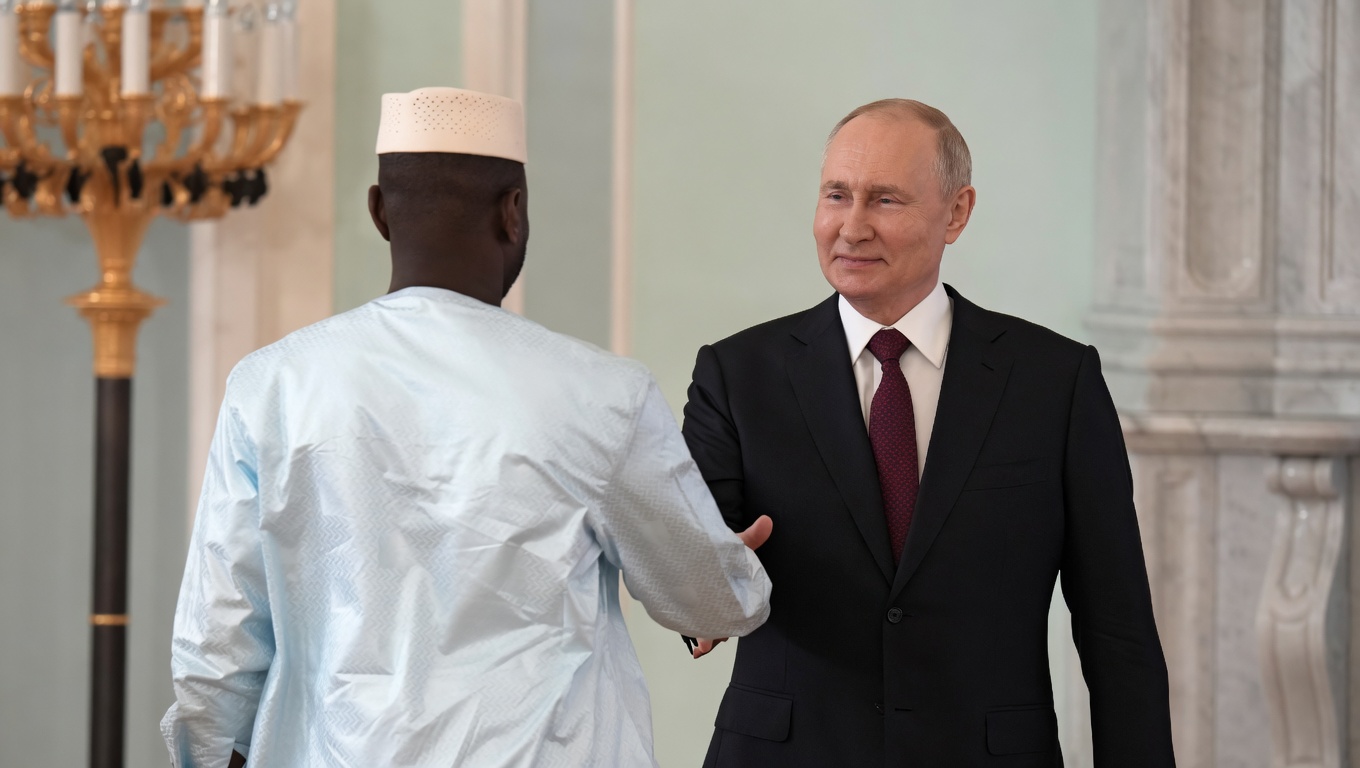
The event also underscores the increasing influence of security actors linked to Russia in West Africa. Following the departure of French military forces and a reduction in Western involvement, Mali has strengthened its partnership with Moscow, turning to paramilitary groups for support in its counter-insurgency efforts.
Africa Corps is seen as a central component of this new security framework, filling the void left by Western-led missions. Experts suggest this situation is indicative of a wider geopolitical transformation, with Russia deepening its reach on the continent while Western nations reconsider their strategic positions.
Broader regional consequences
The reported attempt to seize power—regardless of the full verification of all details—points toward a potential spike in both internal unrest and international rivalry within the Sahel. For neighboring nations and global partners, these events raise serious concerns regarding the viability of current security models and the risks associated with foreign intervention in African conflicts.
As Mali continues its difficult political transition, the weekend’s violence serves as a stark reminder of the challenges involved in bringing peace to one of the most turbulent regions on the globe.