Six months following the presidential race on October 29, 2025, Tanzanian authorities in Dar es Salaam have finally released a formal count of the casualties. The government commission reported 518 fatalities, a figure intended to settle the unrest but which has instead sparked intense criticism from human rights groups and political rivals who describe the data as a significant undercount.
The findings of a disputed government commission
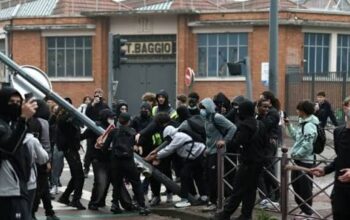
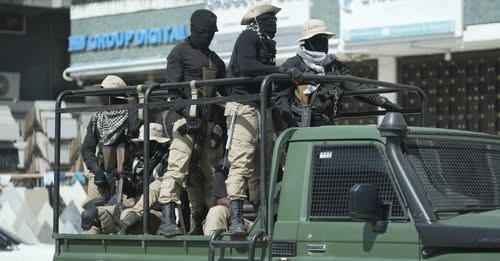
In a tense atmosphere, the state-appointed panel delivered its verdict on the lethal disturbances that gripped the nation late last year. According to the official document, clashes involving security forces, protesters, and local communities resulted in 518 deaths.
While this marks the first time the executive branch has conceded the scale of the crisis, officials maintain that the loss of life stemmed largely from “unregulated chaos” during illegal gatherings. The report also attributes the heightened hostility to the influence of specific public figures who allegedly escalated tensions.
A significant discrepancy in casualty numbers
The tally of 518, though substantial, has failed to gain broad acceptance. Almost immediately after the release, dissenting voices labeled the report a strategic manipulation of facts.
- Opposition parties: Political opponents argue the true death toll reaches into the thousands. They further highlight the total absence of any mention regarding forced disappearances in the official narrative.
- Human rights advocates: Global NGOs, utilizing eyewitness accounts and satellite imagery, contend that the crackdown was a deliberate and organized campaign rather than the series of isolated incidents described by the authorities in Dar es Salaam.
Reality or political damage control?
The debate over whether the state is downplaying the severity of the repression has taken center stage. By providing a figure significantly lower than independent estimates, the administration appears to be walking a tightrope: admitting enough fault to satisfy international observers while shielding itself from potential prosecution for crimes against humanity in international courts.
An anonymous representative from a local civil society group suggested that the document serves more as a tool for diplomatic rehabilitation than a genuine pursuit of the truth.
The path toward national healing
The publication of these findings raises questions about whether Tanzania is moving toward recovery or deeper into crisis. Demands for a neutral, international inquiry are intensifying across the country.
Analysts suggest that as long as uncertainties remain regarding the actual number of victims and the chain of command responsible for the violence, the events of 2025 will continue to cast a shadow over the country’s political landscape. Tanzania remains polarized, with each side clinging to a different version of history.