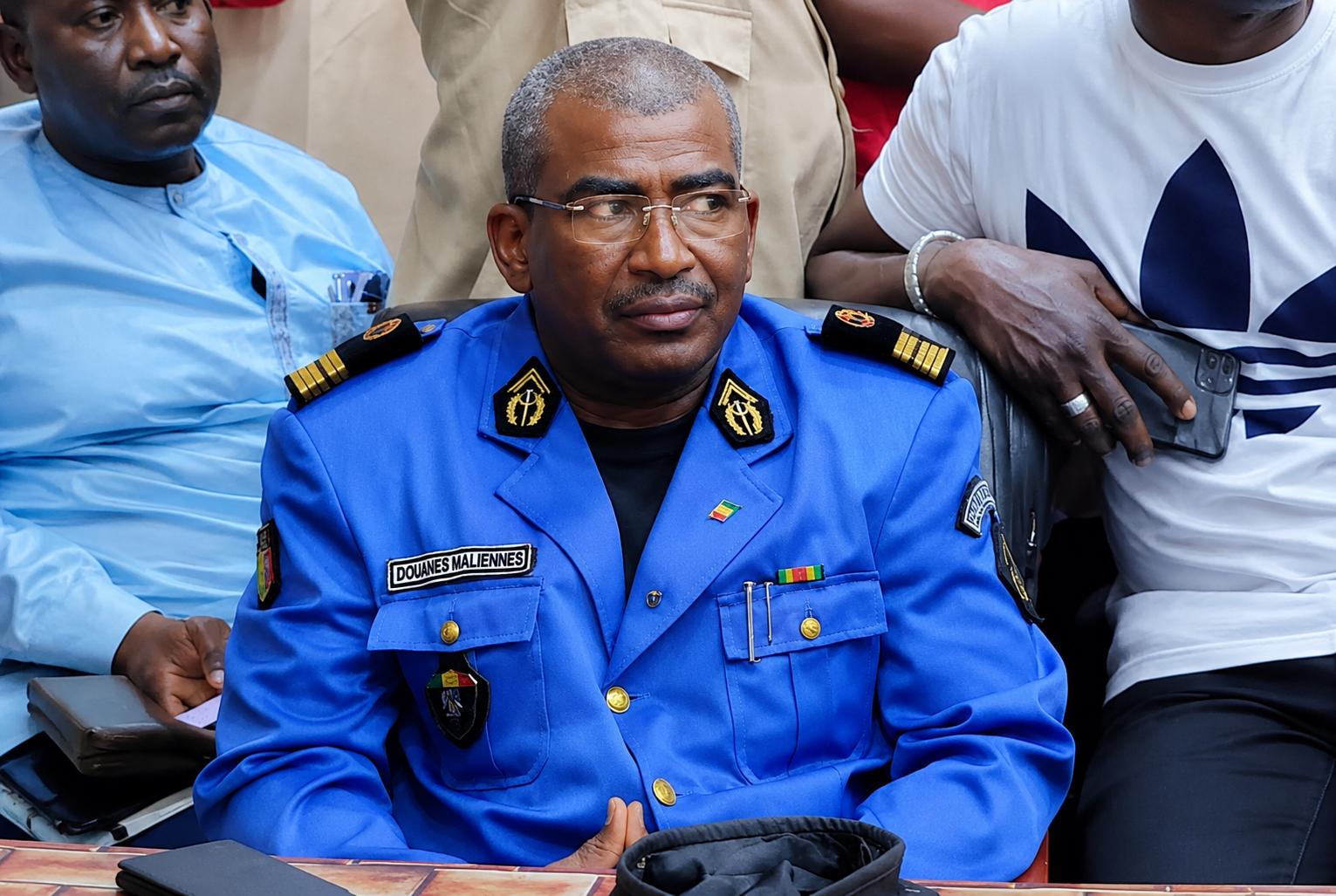
The Malian Customs Directorate stands at the heart of a delicate balance between economic necessity and political maneuvering. A recent wave of appointments and transfers has sent ripples through the corridors of power, prompting fierce debate over whether these changes reflect genuine institutional reform—or calculated moves behind the scenes.
In a sharp analysis, journalist and commentator Fousseyni Sissoko dissects the official narrative, revealing the hidden currents shaping Mali’s customs landscape. While the government frames the reshuffle as a bid to modernize and tighten fiscal controls in a challenging economic climate, Sissoko’s investigation uncovers deeper motivations.
Official reform or strategic repositioning?
The Ministry of Finance and customs leadership defend the restructuring as a response to pressing economic demands. With Mali under pressure to boost internal revenue amid regional instability, replacing key personnel in border offices and regional bureaus is framed as an efficiency drive. The stated goals—enhancing tax fraud detection and streamlining logistics corridors—are presented as technical imperatives.
Yet beneath the surface, the reshuffle raises questions. In a sector where oversight of high-value goods like fuel and trade routes confers immense influence, personnel changes rarely follow a purely administrative logic. Sissoko’s scrutiny suggests that what appears as reform may, in fact, be a subtle realignment of power—one that prioritizes alignment over expertise.
Unanswered questions: loyalty versus competence
The timing and nature of certain departures point to more than routine turnover. Could this be a quiet purge of officials deemed too independent—or too tied to past power networks? In Mali’s current climate, the control of strategic institutions like customs is not just about revenue collection; it’s about asserting sovereignty and security. But it also fuels internal tensions.
Replacing seasoned professionals with officials more closely aligned with the prevailing political agenda is a familiar pattern in Mali’s governance. Sissoko’s piece highlights the unease this creates: when loyalty trumps competence, institutions risk becoming tools of political control rather than engines of efficiency.
The bigger picture: customs as a battleground
Ultimately, the customs reshuffle is more than a bureaucratic reshuffle—it’s a reflection of Mali’s broader struggles with governance and transparency. For citizens and economic partners alike, the question remains: Is this a step toward fiscal resilience, or a maneuver to consolidate influence behind closed doors?
Sissoko’s analysis serves as a vital reminder: Mali’s customs service is not just a tax collector. It’s a stage where high-stakes battles over power, money, and control are constantly played out.