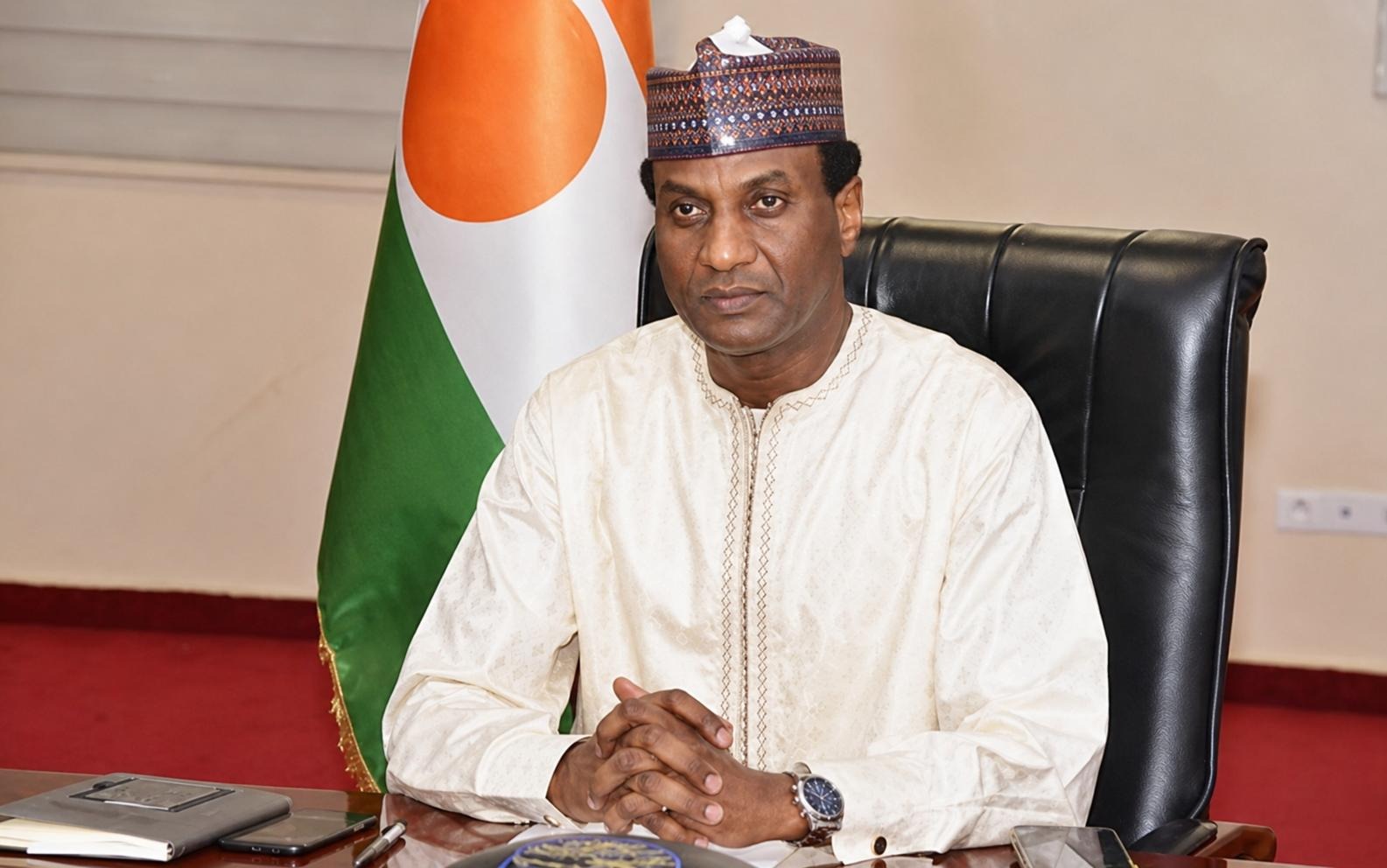
In the shadow of Niger’s military-led transition, the line separating a trusted ally from a person under suspicion can vanish without warning. Recent developments surrounding Prime Minister Ali Mahamane Lamine Zeine have cast a stark light on the precarious position of civilian leaders within the new power structures.
Close associates of the head of government report mounting unease following sweeping changes to his security detail. Without prior notice, his entire protection team has been replaced, while those granted access to his presence now face stringent and systematic body searches. Officially, the Prime Minister’s prolonged absence from his office—now stretching into days—has been attributed to a severe bout of malaria. Yet behind closed doors, whispers persist of a quiet house arrest, stoked by persistent rumors of an imminent resignation.
The underlying political logic is what truly raises questions. In systems where military authority dominates, information control becomes a central pillar of governance. The lack of transparent communication fuels speculation, particularly when security measures around a civilian figure resemble containment rather than protection.
This episode reflects a recurring pattern in Sahelian military transitions: the doctrine of absolute conformity. When a technocrat or civilian leader resists aligning with the strategic or ideological shifts dictated by the uniformed leadership, the security apparatus swiftly moves to neutralize dissent. Rather than a public dismissal—one that could undermine the veneer of national unity—juntas often resort to a subtle form of exclusion, tightening movement controls and intensifying surveillance of communications.
Such tactics offer a key political advantage: they prevent internal disagreements from erupting into open crises. By maintaining the official presence of a figure while progressively stripping away their decision-making power, the military preserves the illusion of institutional continuity while consolidating full control. This approach also allows authorities to gauge potential reactions from the public, international partners, and rival factions before taking more decisive steps.
The case of Lamine Zeine raises a pressing question: what real autonomy do civilian leaders truly possess within military-led transitions? Across the Sahel, technocrats are often brought in to reassure donors, stabilize macroeconomic balances, and project an image of structured governance. Yet this administrative legitimacy frequently hinges on unquestioning political loyalty to the military command.
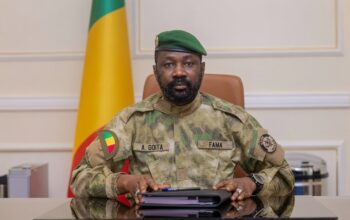
Similar dynamics have played out in neighboring countries within the Alliance of Sahel States. Whether examining the challenges faced by Choguel Maïga in Mali or the shifting power dynamics around Apollinaire Kyélem de Tambèla in Burkina Faso, the principle remains unchanged: civilian leaders are tolerated only as long as they serve as economic buffers or diplomatic fig leaves. The moment they introduce friction into the military command’s decision-making process, swift corrective action follows.
In these settings, surveillance is not merely about preventing conspiracies. It sends a broader message to the entire state apparatus: no official, regardless of rank, is beyond the reach of the ruling military core. The replacement of a security detail, the restriction of access, or the filtering of communications become political signals as much as security measures.
For Ali Mahamane Lamine Zeine, the challenge now extends beyond day-to-day governance. He must navigate a web of suspicion where every movement is logged and every silence dissected. More broadly, this episode underscores a harsh reality: within military-led regimes, civilian authority may appear in organizational charts, but its hold on real power remains fragile and conditional—constantly subject to the scrutiny of the uniformed leadership.