Senegal’s political shake-up: Ousmane Sonko fires back at President Bassirou Diomaye Faye
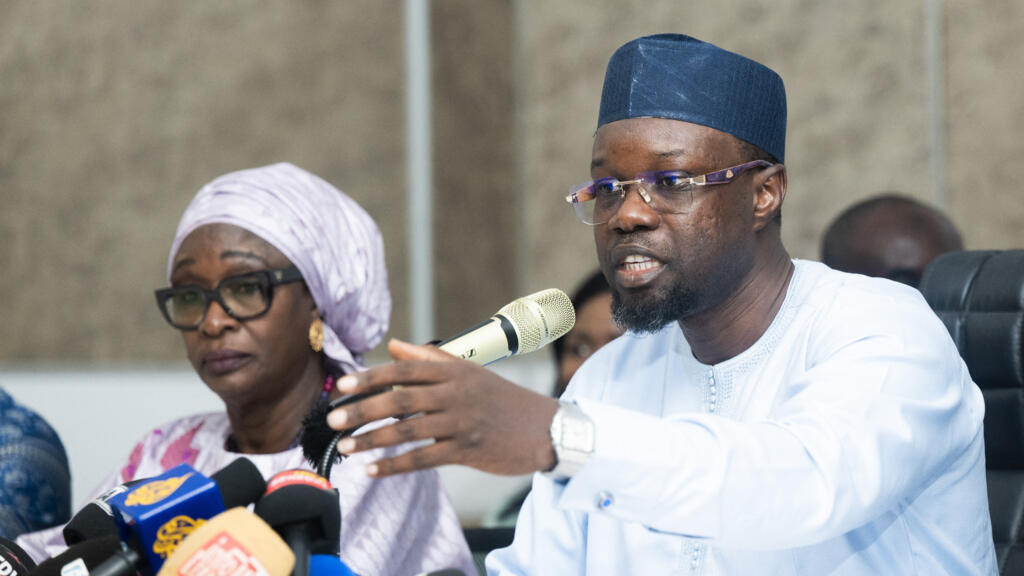
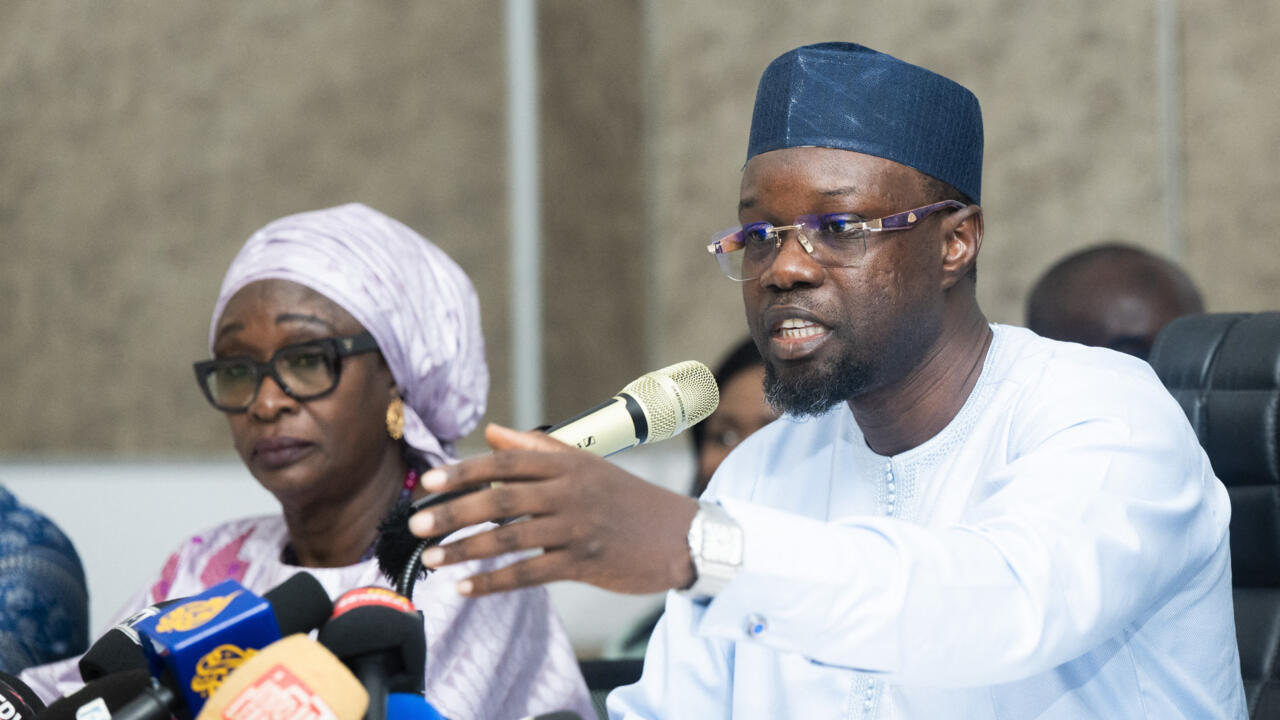
Just days after President Bassirou Diomaye Faye dismissed him from office, former Prime Minister Ousmane Sonko made his stance clear in a pointed press conference held in Dakar. Sonko did not mince words, directly challenging the legitimacy of the new government led by Prime Minister Al Amine Lô, which he described as lacking fundamental political backing. “We have a government with no political foundation,” he declared, dismissing the coalition touted by the presidency as meaningless. “That coalition they keep mentioning represents nothing,” he emphasized, arguing that labeling the government as a “technocrat administration” was merely an admission of political isolation.
Sonko went further, asserting that his party, Pastef, holds the true mandate from the people. “Pastef remains the first political force in this country, born from the ballot box,” he stated. “To govern without us is to govern without the people.” He also reminded President Faye that Pastef’s overwhelming parliamentary majority—130 out of 165 seats—could trigger a no-confidence motion at any time, though he stopped short of calling for destabilization.
Government’s legitimacy under scrutiny
The removal of Sonko from the prime minister’s post has left the executive branch vulnerable, as noted by political observers. Pastef’s absence from the ruling coalition presents a major challenge for President Faye, whose ability to push through reforms now hinges on maintaining trust with Sonko’s party. “The president’s constitutional authority remains intact,” analysts argue, “but his success depends on securing the support of the very party that secured his victory.”
Questions are already swirling about the government’s ability to pass legislation and implement policies without Pastef’s involvement. “How can a technocrat-led administration govern effectively when the majority party, led by Sonko, holds absolute control in parliament and is simultaneously mobilizing its base nationwide?” This dilemma will unfold in the coming weeks and months across Senegal’s political landscape.
Beyond cohabitation: a fracture within the ruling party
Analysts warn that what is unfolding in Senegal is not a typical cohabitation scenario—where opposing parties share power—but something far more precarious: a deep rift within the same political movement. “This is a rupture,” one political commentator remarked, “a break between the president and the party that delivered his mandate.” Sonko, as the leader of Pastef, has positioned himself as the guardian of the party’s original vision, one that President Faye now appears to have abandoned.
With Pastef’s 130 deputies in parliament and Sonko’s influence extending through a nationwide network of activists, the balance of power is shifting. “He is not just an opponent; he is the voice of the party’s memory,” another observer noted. “Sonko can claim at any moment: we were here before, and we will remain after.”
As the political tug-of-war intensifies, the coming months will determine whether President Faye can reconcile with his former ally or if this rift will escalate into a prolonged crisis.