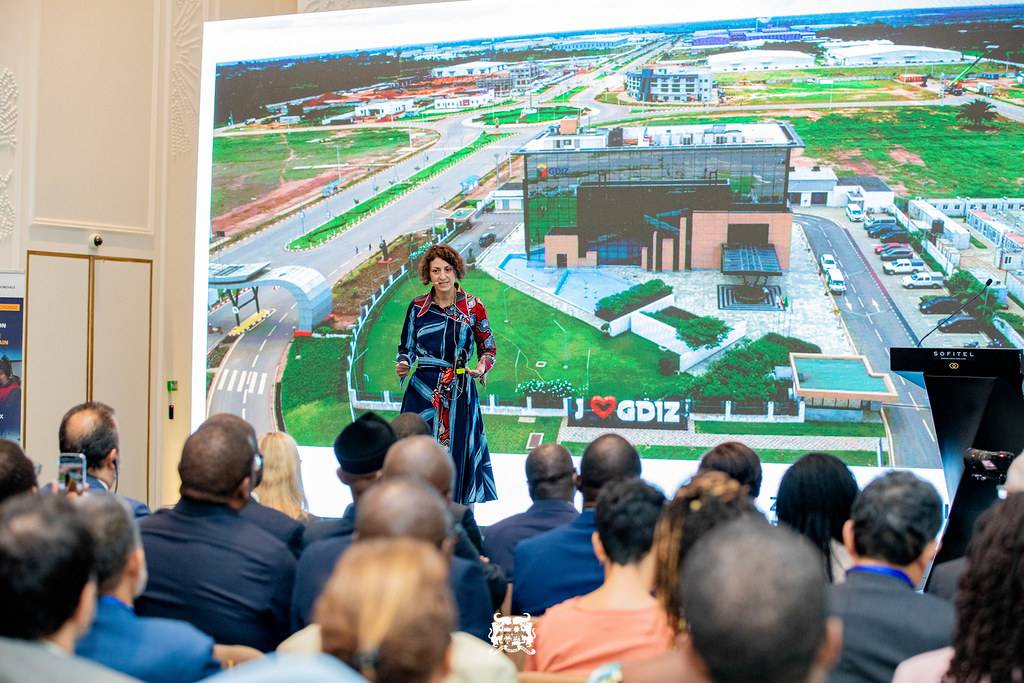
The Sofitel Cotonou Marina Hotel & Spa buzzed with anticipation on Friday, July 17, 2026, as officials from the Bénin government and the World Bank Group unveiled the ambitious Country Partnership Framework (CPP) for 2026-2036. This landmark agreement, designed as a decade-long roadmap, centers on three transformative pillars: human capital development, productive infrastructure, and youth employment.
a strategic reset for Bénin’s future
Against the backdrop of the Alafia Bénin 2060 vision, the CPP 2026-2036 is more than an updated policy document—it represents a wholesale recalibration of the World Bank’s financial and technical support to Bénin. The event drew high-level attendance, including government officials, diplomats, international partners, and private sector leaders, all gathered to witness the birth of a partnership poised to redefine the nation’s economic trajectory.
The timing could not be more strategic. With the global community closely watching, Bénin’s leadership has doubled down on structural reforms aimed at consolidating macroeconomic stability while ensuring growth benefits reach every segment of society. The presence of Ms. Anna Bjerde, World Bank Group Managing Director of Operations, underscored the confidence international donors place in Bénin’s reform agenda.
economic transformation through long-term financing
The CPP’s core ambition is not just growth—it’s inclusive, resilient, and sustainable growth. By securing a decade of predictable funding, the World Bank enables Bénin to execute large-scale infrastructure projects without compromising fiscal health. This influx of capital and expertise is intended to unlock private investment, both domestic and foreign, fostering a self-sustaining cycle of economic expansion.
three pillars to drive structural change
The partnership’s success hinges on three interconnected areas of focus:
- Human capital reinvention: A healthy, skilled workforce is the bedrock of economic progress. The CPP prioritizes nutrition, public health, and vocational training reforms, ensuring education aligns with market demands.
- Productive infrastructure expansion: Chronic gaps in energy, digital connectivity, and transport infrastructure stifle business competitiveness. Investments will streamline agricultural supply chains, improve urban-rural connectivity, and enhance port efficiency in Cotonou.
- Private sector-led job creation: Small and medium enterprises (SMEs) and young entrepreneurs are positioned as the engines of durable employment. The CPP will streamline business regulations, expand access to credit, and promote entrepreneurship among women and youth.
youth employment: the ultimate test of success
With over half its population under 25, Bénin faces a demographic dividend—or a looming crisis if opportunities fail to materialize. Mr. Aristide Medenou, Minister of Economy, Finance, and Cooperation, emphasized this urgency during the launch. The CPP aims to channel youth into high-value agricultural and agro-industrial sectors, particularly in underserved northern regions, to curb rural exodus and stabilize communities.
building resilience beyond urban centers
True economic transformation cannot be confined to coastal cities. The CPP allocates a significant share of resources to peripheral and northern regions, addressing historical disparities. Projects will focus on essential services—clean water, electrification, rural roads—and create local job opportunities to reduce social vulnerability and strengthen national cohesion.
international recognition and long-term partnership
Ms. Bjerde praised Bénin’s leadership for its bold vision, highlighting the government’s commitment to translating macroeconomic goals into tangible benefits for entrepreneurs, farmers, and families. The announcement reinforces Bénin’s reputation as a reform champion within the Bretton Woods institutions and signals the World Bank’s intent to remain a steadfast, adaptive partner through 2036.
Bénin’s pathway to 2036: a model for inclusive growth?
The CPP 2026-2036 sets an ambitious course for Bénin’s future. Its success will depend on disciplined execution, transparent governance, and the ability of public institutions and local businesses to absorb and manage investments effectively. If commitments are met, Bénin could emerge as a blueprint for inclusive economic transformation in West Africa—a beacon of progress driven by foresight, partnership, and perseverance.