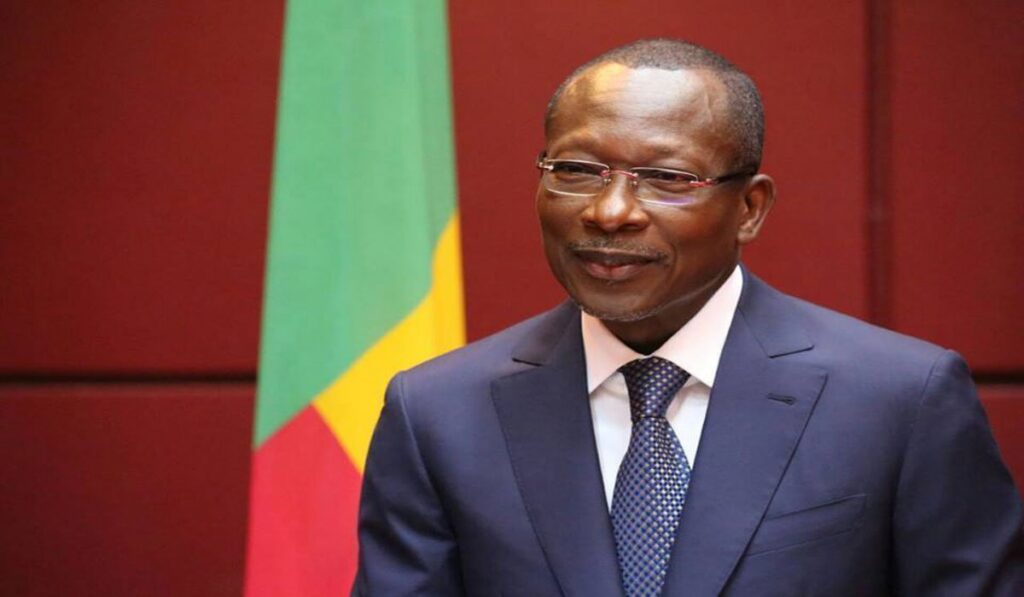
On Thursday, August 6, 2026, Benin’s political landscape entered uncharted territory. Delegates gathered at the Governor’s Palace in Porto-Novo cast their votes to select the first-ever president of the newly established upper house of parliament. The historic moment saw former President Patrice Talon elected to lead the Senate, a landmark achievement in the country’s transition to a bicameral system.
Having steered Benin through a decade as head of state (2016–2026), the architect of the “Nouveau Départ” initiative proved that leadership in West Africa doesn’t end with a handover of power. His move to the Senate signals a new chapter—one where institutional influence persists beyond the presidential mandate.
Reclaiming influence in the heart of Benin’s democracy
The overwhelming vote in favor of Patrice Talon underscores the completion of Benin’s constitutional reform, reshaping the nation’s governance framework. The Senate, composed of 25 members including former heads of state as ex-officio members, was designed to serve as a stabilizing force for national cohesion.
- A chamber of moderation: The Senate’s structure positions it as a regulatory body, ensuring balanced decision-making and safeguarding democratic continuity.
- A voice of wisdom: By assuming leadership of the Senate’s permanent bureau, Talon retains significant political leverage, acting as a moderating influence between the presidency and the National Assembly.
Can leadership extend beyond the presidency?
Across Africa, political transitions often follow predictable patterns—either prolonged leadership or abrupt exits. Patrice Talon’s trajectory defies convention. His journey highlights three defining principles:
- Upholding constitutional norms: By stepping down after two full terms, he reinforced Benin’s commitment to democratic alternation.
- Transitioning to legislative power: Rather than seeking international roles or private ventures, he chose to institutionalize his legacy by leading the Senate.
- Shaping a statesman’s role: Seated among other revered figures of Beninese history, Talon now embodies the role of a stabilizing force, guiding national reforms from within the legislature.
Key takeaways from Patrice Talon’s Senate presidency
The August 6, 2026 election of Patrice Talon as Senate president offers a compelling lesson in African governance: former presidents can remain influential architects of stability without clinging to executive authority. This evolution reflects a growing maturity in regional political systems, one that merits close observation.
You may also like
Can West Africa’s peace hold without the Entente Council and UNOWAS pact?
Can Lomé’s quiet diplomacy finally deliver peace to eastern DRC?
Can Nigeria’s security forces ever shut down the kidnapping economy in the north?
Can Benin’s defense strategy survive on diversification alone?
Can the CEMAC capital market finally bankroll Cameroon’s real economy?