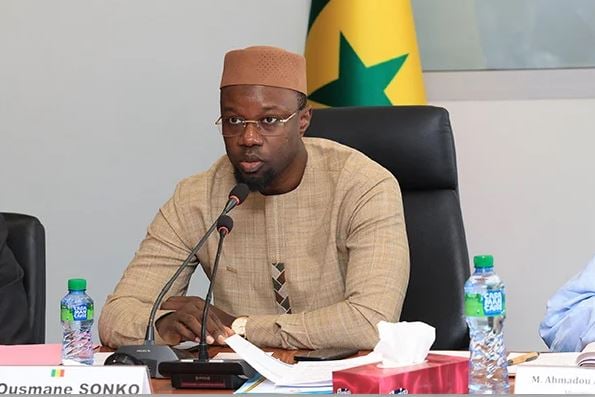
Senegal’s government accelerates sweeping reforms under Prime Minister Ousmane Sonko
Senegal’s Prime Minister Ousmane Sonko has unveiled a transformative agenda during the latest Council of Ministers meeting, focusing on market modernization, agricultural advancement, and digital infrastructure development. With a substantial investment package of 57.5 billion FCFA, the government aims to enhance governance efficiency and strengthen inter-ministerial coordination.
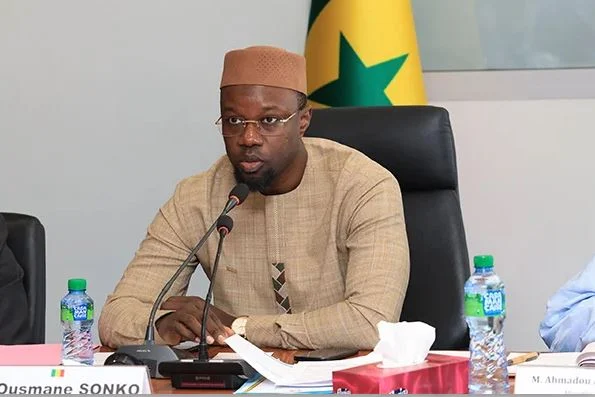
Among the key priorities discussed were the overhaul of public markets, preparation for the 2026-2027 agricultural season, flood prevention measures, and the advancement of the Senegal Connect Park project.
Transforming Senegal’s market infrastructure
The Prime Minister highlighted critical deficiencies in Senegal’s market infrastructure, noting that many commercial facilities built in the 1970s have become structurally unsound and pose significant safety risks. The revelation that 53 markets suffered fire incidents between 2013 and 2024 further underscored the urgent need for intervention.
To address these challenges, the government is implementing the Market Modernization and Management Program (PROMOGEM), with a five-year strategic plan (2025-2029) that includes renovating 528 existing markets and constructing 67 new modern facilities. Sonko emphasized strengthening PROMOGEM’s institutional framework by granting it greater administrative and financial autonomy.
A coordinated approach to market development
The Prime Minister called for a collaborative effort between relevant ministries, local authorities, and private sector stakeholders to establish a nationwide network of modern markets. This initiative aims to ensure rigorous management while fostering local economic development and private sector participation.
Preparing for a productive agricultural season
Discussing preparations for the upcoming 2026-2027 agricultural campaign, Sonko acknowledged progress in certified seed and fertilizer production, particularly through the efforts of the Senegalese Institute of Agricultural Research (ISRA) and agricultural cooperatives. However, he identified critical gaps including incomplete seed autonomy, challenges in targeting agricultural input beneficiaries, limited access to agricultural credit, and inadequate storage infrastructure.
To bridge these gaps, the government is prioritizing digital transformation in agriculture, building on successful pilot programs in regions like Tivaouane and Nioro. Sonko stressed the importance of transparent pricing for agricultural inputs and ensuring their equitable distribution across the country.
Flood prevention and emergency preparedness
With the rainy season approaching, the Prime Minister urged a cross-ministerial mobilization to mitigate flood risks. Key measures include:
- Clearing drainage systems and verifying critical infrastructure
- Pre-positioning emergency response resources
- Updating municipal emergency plans
- Enhancing early warning systems
- Conducting inter-ministerial simulation exercises before mid-June 2026
Accelerating Senegal’s digital sovereignty
The Senegal Connect Park project received special attention during the Council meeting. Sonko emphasized its strategic importance for national digital sovereignty, innovation, and economic growth. While the project has achieved 95% physical completion, financial and contractual complications have delayed its finalization.
The Prime Minister directed relevant authorities to submit a realistic timeline to the African Development Bank (AfDB) and expedite negotiations with the West African Development Bank (BOAD) regarding project concessions.
The comprehensive reform agenda announced by Prime Minister Ousmane Sonko demonstrates a clear commitment to transforming Senegal’s economic infrastructure while addressing critical development challenges across multiple sectors.