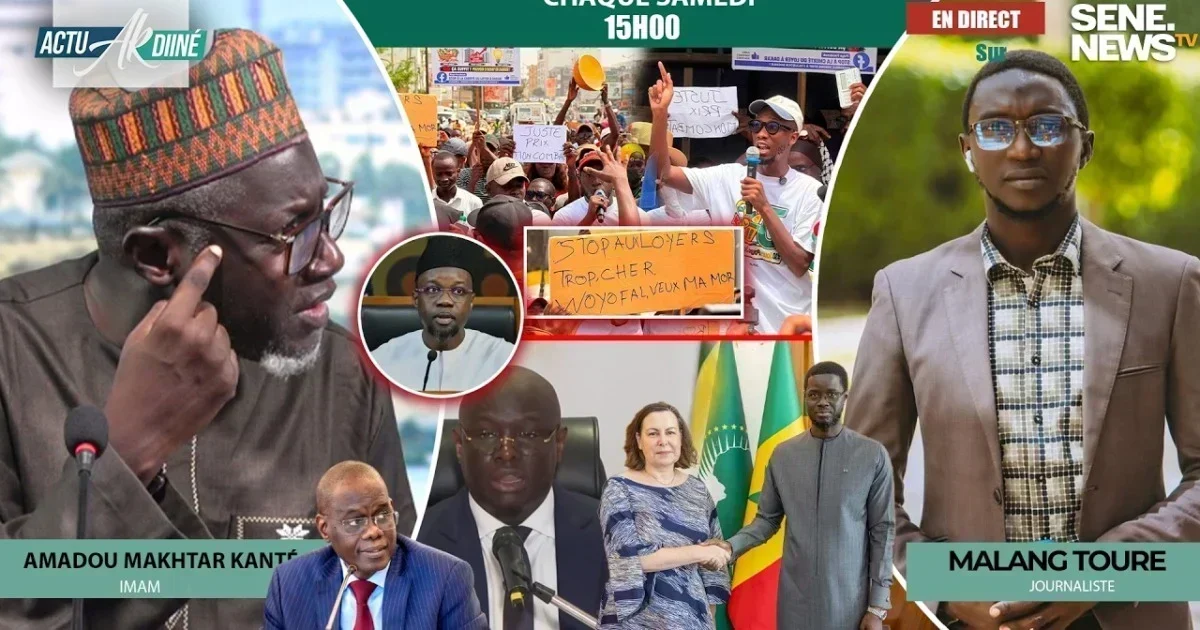
With financial resource management and economic sovereignty dominating public discourse, this analysis sheds essential light on the decisions that lie ahead.
Understanding the IMF loan and Sonko’s vision
The recent approval of a substantial financial package by the International Monetary Fund has opened a new chapter in Senegal’s economic trajectory. This funding, while offering immediate fiscal relief, also raises questions about the conditions attached and the long-term implications for national autonomy. Ousmane Sonko, a prominent political figure, has articulated a clear set of priorities that could reshape the country’s development path.
Balancing external support with domestic priorities
Sonko’s approach appears to center on leveraging international financial support without compromising Senegal’s sovereign decision-making. His proposals emphasize strengthening local industries, investing in key infrastructure, and ensuring that borrowed funds translate into tangible benefits for ordinary citizens. However, the interplay between IMF requirements and these domestic goals requires careful navigation.
Key considerations for the coming months
- Transparency in how the loan proceeds will be allocated across sectors.
- Measures to safeguard against debt distress while maintaining social spending.
- Mechanisms to boost private sector participation and attract sustainable investment.
- Coordination between the government, financial institutions, and civil society to ensure accountability.
As the government moves forward, the balance between meeting fiscal targets and fulfilling campaign promises will be tested. The decisions made in the near term will not only affect Senegal’s immediate economic stability but also set a precedent for how the nation engages with global financial bodies in the future.
Observers will be watching closely to see whether Sonko’s plans can harmonize the demands of international creditors with the aspirations of the Senegalese people. The stakes are high, and the outcomes will likely influence the political landscape for years to come.