Read aloud⏱ ~3 min
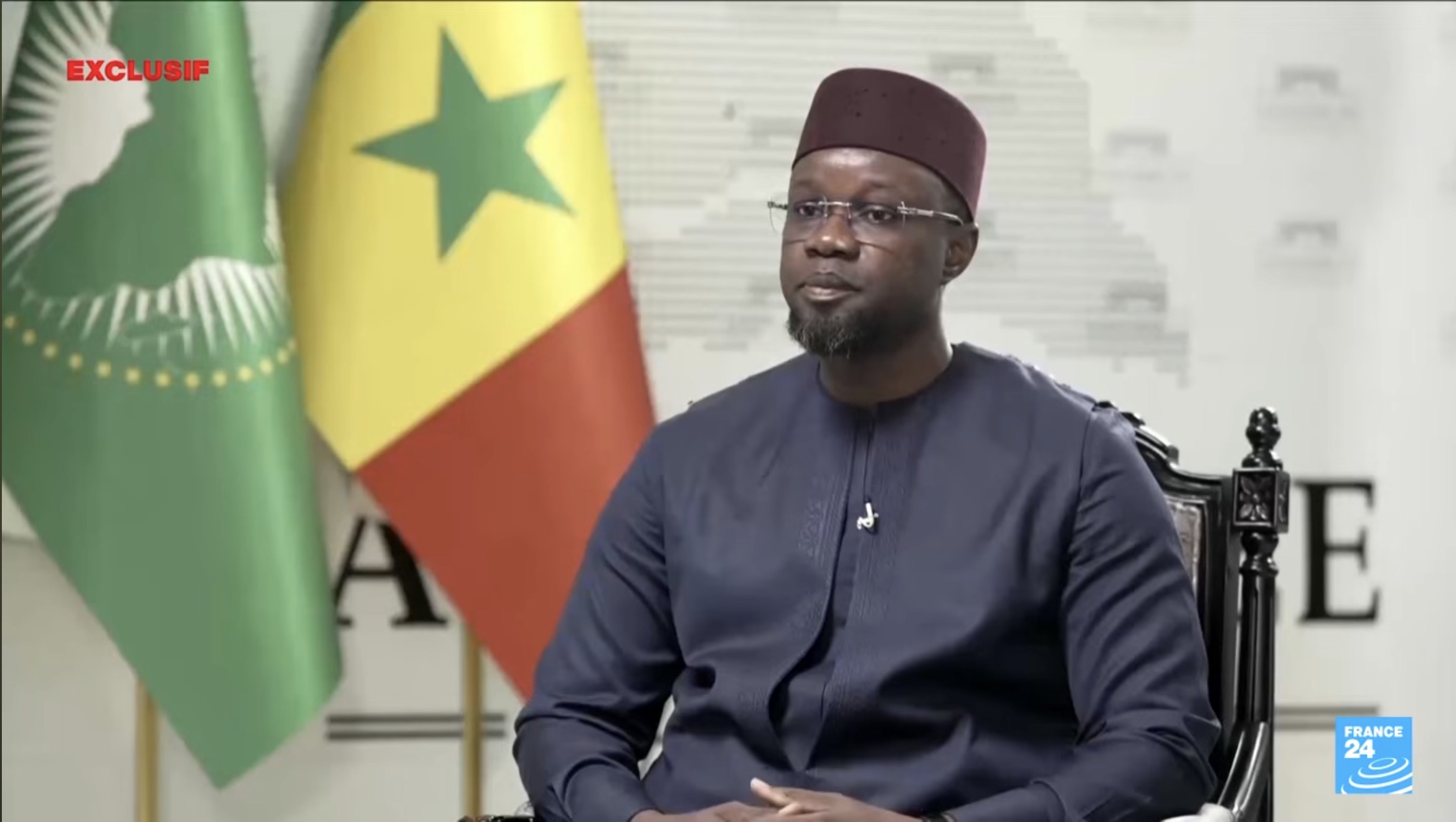
Ousmane Sonko, the President of Senegal’s National Assembly, has placed the nation’s public debt back at the forefront of national discourse. He suggests that a portion of the financial obligations inherited from the previous administration could potentially fall under the controversial concept of ‘odious debt’.
Speaking publicly, the leader of PASTEF championed the new government’s commitment to presenting a clear and honest picture of public finances to both Senegalese citizens and international partners. He emphasized that this dedication to transparency is fundamental for establishing credible and enduring economic governance.
“We made the choice to establish a sound foundation,” Sonko asserted, conveying his belief that concealing budgetary realities would have further destabilized the national economy.
While acknowledging a sovereign state’s duty to uphold its financial commitments, the National Assembly President contended that certain debts, incurred under specific circumstances, warrant thorough scrutiny. He advocated for a global discussion on defining and addressing what are termed ‘odious debts’.
This international legal doctrine typically refers to debts contracted without benefiting the populace or under questionable conditions. However, its practical legal application continues to be a subject of considerable debate within the global community.
Reflecting on his tenure as Prime Minister, Ousmane Sonko noted that he did not then possess all the institutional levers necessary to fully pursue this critical examination. Nevertheless, he highlighted his shared perspective with President Bassirou Diomaye Faye regarding the management of public finances.
The influential political figure also reiterated his stance against any abrupt restructuring of debt, stressing the imperative of safeguarding Senegal’s financial credibility with its partners, particularly the International Monetary Fund (IMF).
In his view, effective responses to the debt crisis must skillfully balance fiscal discipline, national economic sovereignty, and the ongoing implementation of structural reforms essential for the nation’s development.
Amidst global economic uncertainties and geopolitical tensions, the ongoing discussion about the sustainability of Senegal’s public debt remains one of the country’s paramount economic challenges, impacting the broader West Africa Sahel region’s financial stability.
Speaking publicly, the leader of PASTEF championed the new government’s commitment to presenting a clear and honest picture of public finances to both Senegalese citizens and international partners. He emphasized that this dedication to transparency is fundamental for establishing credible and enduring economic governance.
“We made the choice to establish a sound foundation,” Sonko asserted, conveying his belief that concealing budgetary realities would have further destabilized the national economy.
While acknowledging a sovereign state’s duty to uphold its financial commitments, the National Assembly President contended that certain debts, incurred under specific circumstances, warrant thorough scrutiny. He advocated for a global discussion on defining and addressing what are termed ‘odious debts’.
This international legal doctrine typically refers to debts contracted without benefiting the populace or under questionable conditions. However, its practical legal application continues to be a subject of considerable debate within the global community.
Reflecting on his tenure as Prime Minister, Ousmane Sonko noted that he did not then possess all the institutional levers necessary to fully pursue this critical examination. Nevertheless, he highlighted his shared perspective with President Bassirou Diomaye Faye regarding the management of public finances.
The influential political figure also reiterated his stance against any abrupt restructuring of debt, stressing the imperative of safeguarding Senegal’s financial credibility with its partners, particularly the International Monetary Fund (IMF).
In his view, effective responses to the debt crisis must skillfully balance fiscal discipline, national economic sovereignty, and the ongoing implementation of structural reforms essential for the nation’s development.
Amidst global economic uncertainties and geopolitical tensions, the ongoing discussion about the sustainability of Senegal’s public debt remains one of the country’s paramount economic challenges, impacting the broader West Africa Sahel region’s financial stability.
Follow this sectionFind our stories in Feedly, Inoreader…