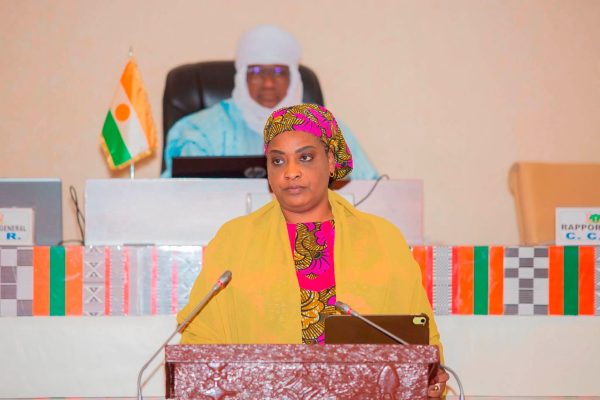
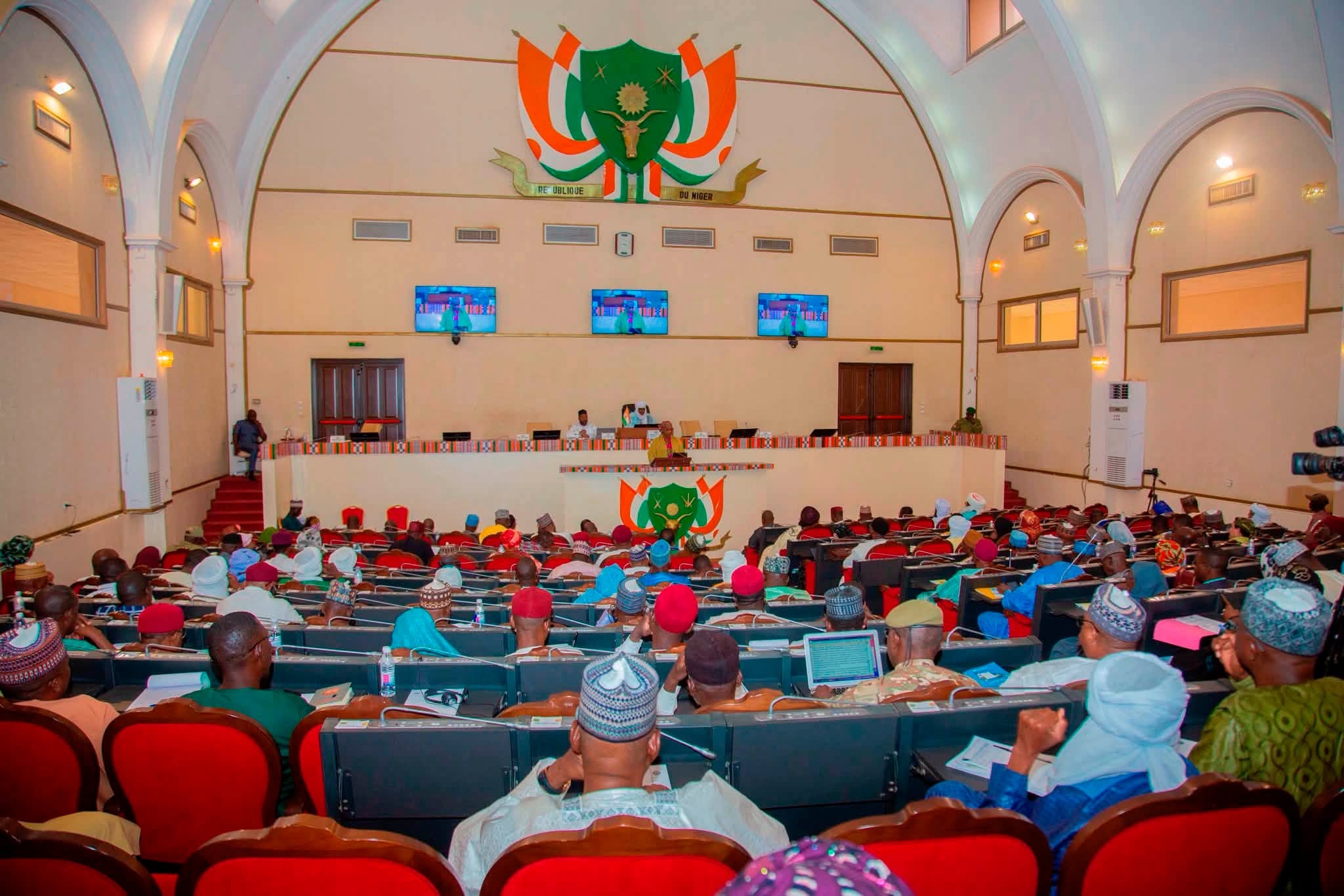
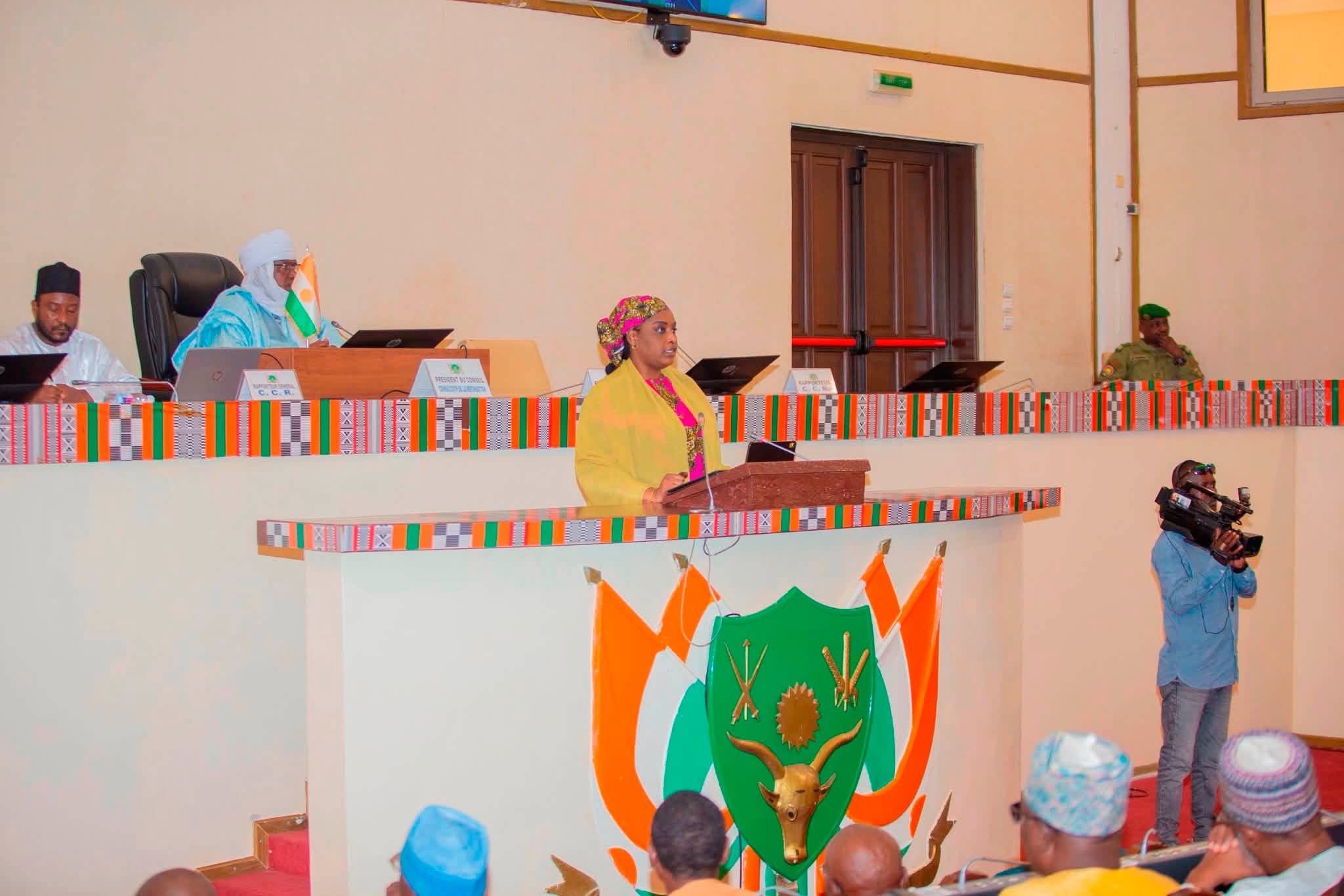
A pivotal phase in Niger’s public administration reform is currently unfolding in Niamey. The Consultative Council for Refoundation (CCR) recently convened its first ordinary session of 2026, dedicating substantial discussion to the transformative changes underway in the management of state human resources. During this significant gathering, Aïssatou Abdoulaye Tondi, the Minister of Public Service, Labor, and Employment, delivered a comprehensive update on the key reforms spearheaded by her department.
Under the chairmanship of Dr. Mamoudou Harouna Djingarey, the Council members engaged with presentations outlining ambitious projects designed to make the Nigerien administration more efficient, equitable, and finely tuned to the evolving demands of the Refoundation initiative.
A comprehensive overhaul of public administration
During the discussions, the Minister detailed the various measures being implemented to restructure the state’s employee management system. These extensive reforms address critical areas such as the harmonization of the public service framework, significant enhancements to human resources management, the modernization of administrative services, and the development of national policies pertaining to labor and employment.
These strategic directions reflect the Nigerien authorities’ firm resolve to construct an administration capable of more effectively meeting citizen expectations while ensuring superior governance of human capital.
Digital transformation at the core
A central pillar of this reform is the comprehensive digitalization of the administration. The Minister highlighted the significant progress achieved in deploying the Integrated State Human Resources and Payroll Management System (SIGRHEP), an essential tool designed to centralize and secure the administrative management of public sector employees.
Initial results showcase remarkable advancements. To date, more than 16,500 agent files have been digitized, while an additional 23,000 dossiers have undergone thorough updates. Concurrently, several specialized business applications have been developed to further enhance the efficiency of administrative services.
Ultimately, SIGRHEP is projected to provide integrated human resources and payroll management for approximately 200,000 public agents. The system will also support the critical work of at least 150 human resources and payroll managers distributed across the national territory.
Statutory reforms and performance tools
Beyond the digital transformation, the ministry also provided an overview of several institutional reforms launched in recent months. Key achievements include the adoption of new legislative texts governing the general status of the public service, the introduction of robust tools for individual performance evaluation, and the strategic implementation of a redeployment plan for state agents in regions affected by post-crisis situations.
The ministerial department has also diligently continued to organize professional examinations, facilitate direct recruitments, and oversee the administrative career progression of thousands of civil servants.
The Council examines reform challenges
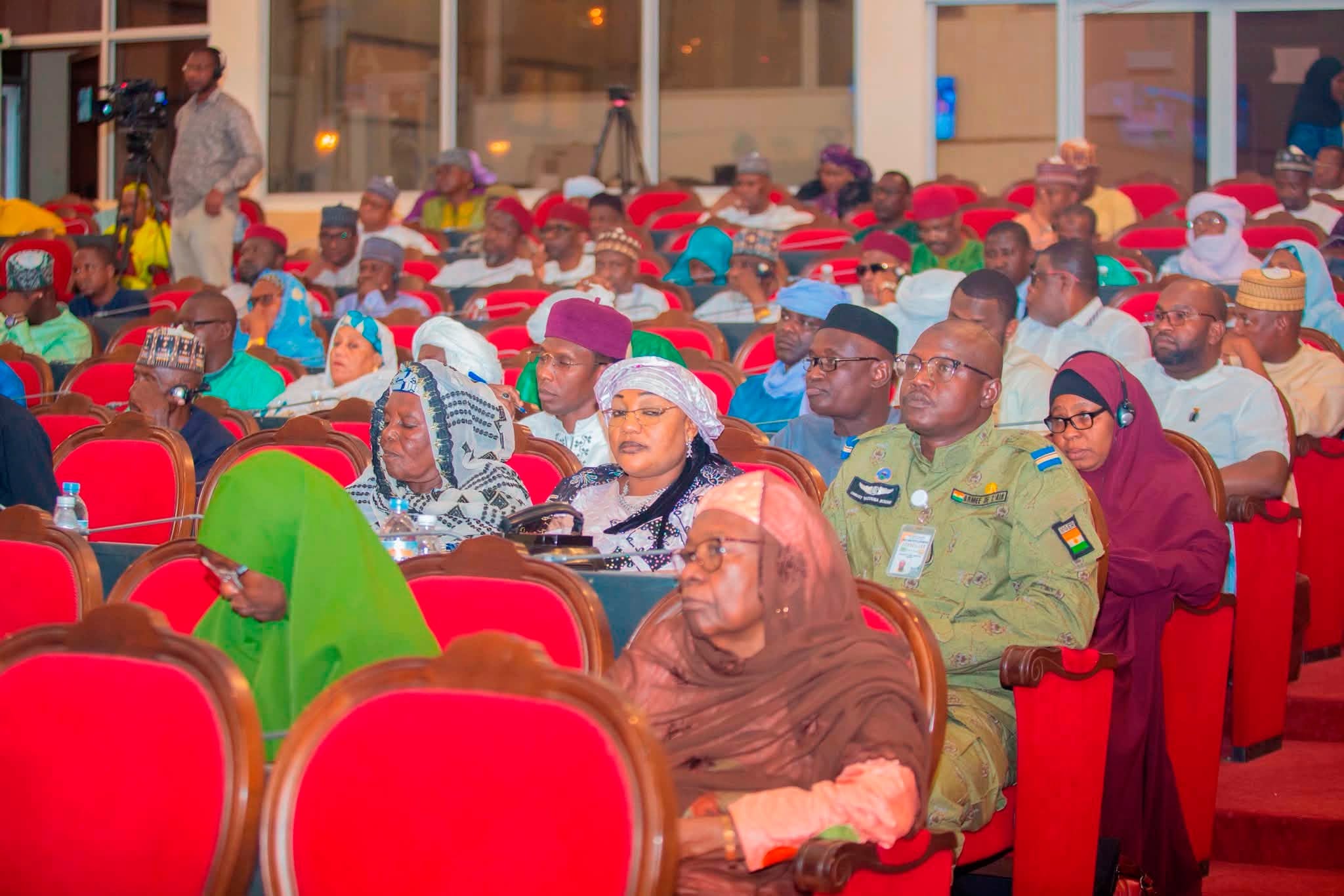
These various communications sparked dynamic exchanges between the members of the Consultative Council for Refoundation and government representatives. Debates primarily focused on the inherent challenges associated with administrative modernization, effective human resources management, and the enhancement of employment policies.
At the conclusion of this productive working session, the Council members unanimously adopted a motion of commendation for the government officials who presented the progress of these vital reforms.
Through these multifaceted projects, Nigerien authorities are steadfast in their commitment to leverage administrative modernization as a crucial driver for improving the quality of public services, bolstering state efficiency, and achieving the overarching objectives established within the Refoundation framework.