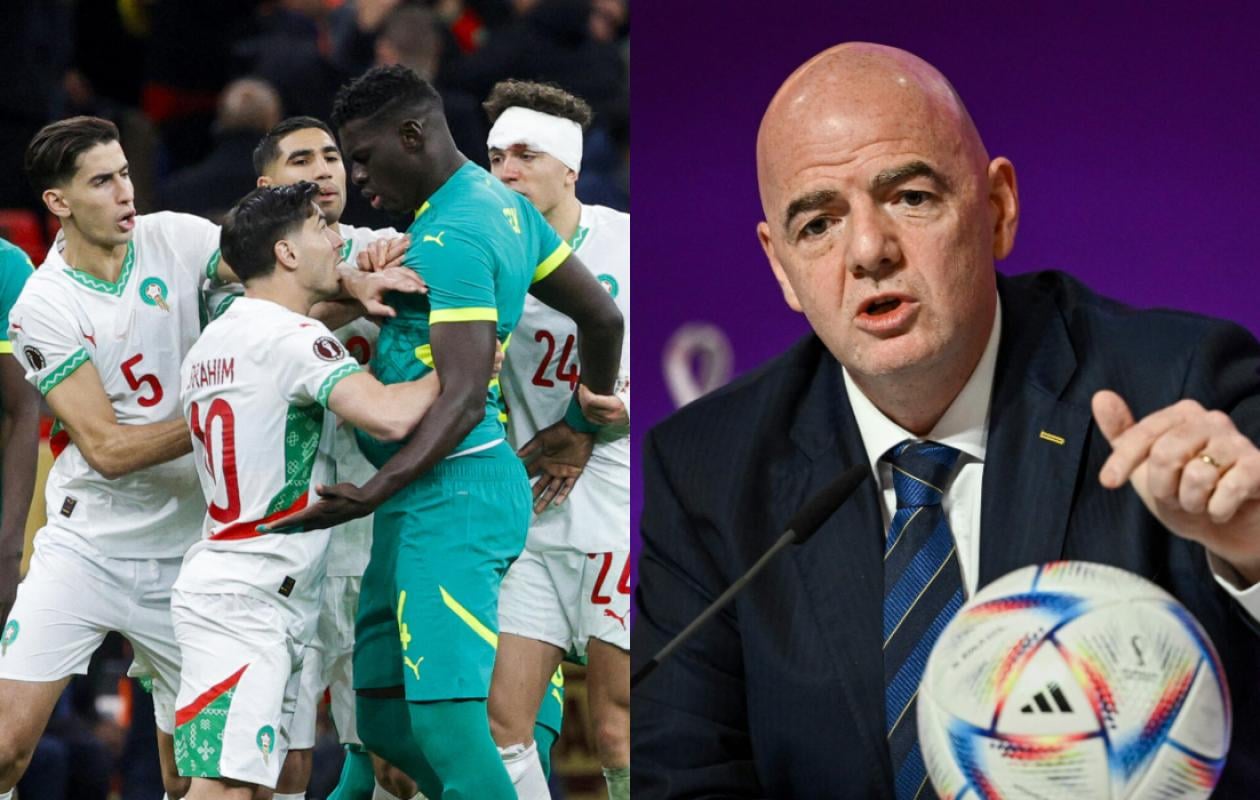
FIFA introduces strict new rules for 2026 World Cup following Senegal vs Morocco 2025 final

As the 2026 FIFA World Cup approaches, football’s governing body is tightening regulations to curb extreme on-field protests. This move comes in response to the controversial incidents that unfolded during the 2025 Africa Cup of Nations final between Senegal and Morocco.
On January 18, during the high-stakes match in Rabat, Senegalese players walked off the pitch in protest over a disputed penalty call and a disallowed goal. The incident sparked widespread debate across the football community, prompting FIFA to take decisive action.
New FIFA regulations for the 2026 World Cup have been approved by the International Football Association Board (IFAB) and will come into effect for the tournament, scheduled to run from June 11 to July 19 across the United States, Canada, and Mexico.
Key changes to prevent match disruptions
The most significant update targets players who voluntarily leave the field to protest referee decisions. Under the new rules, such actions will result in an immediate red card. Coaches or staff members who encourage this behavior may also face disciplinary action.
The updated guidelines state: « At the discretion of match officials, any player leaving the pitch to contest a decision may be sent off. This also applies to technical staff who incite such conduct. »
Automatic forfeits for deliberate match abandonment
Another critical change: any team that causes an irreversible stoppage of play will be declared the loser by forfeit. This measure aims to prevent teams from intentionally halting matches to gain an advantage or influence outcomes.
The Senegal vs Morocco 2025 final serves as a key reference point for these reforms. Senegal’s coach, Pape Thiaw, instructed his players to leave the pitch following a controversial penalty awarded to Morocco and a disallowed goal for Senegal. The match descended into chaos before players returned, highlighting the need for stricter enforcement.
Zero-tolerance approach for competitive integrity
With these new provisions, FIFA is adopting a zero-tolerance stance against excessive protests, ensuring smoother and fairer international competitions. The changes reflect a broader effort to maintain the sport’s integrity and uphold the spirit of fair play.