Mali’s military rulers confront pivotal decisions after rebel onslaught
The shockwaves rippling across West Africa following a daring rebel offensive cannot be overstated. Coordinated attacks breached the defences of Mali‘s capital, Bamako, resulting in the assassination of the Defence Minister and the seizure of key northern territories.
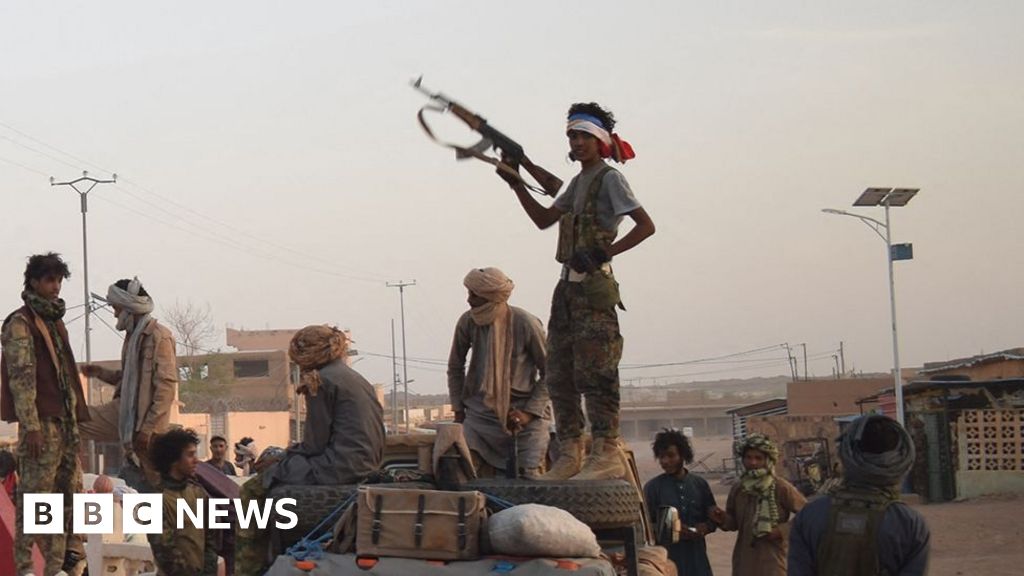
Gunfire and explosions echoed through cities nationwide on Saturday, as an alliance of two factions—the separatist Azawad Liberation Front (FLA) and the al-Qaeda-linked Group for the Support of Islam and Muslims (JNIM)—claimed responsibility for the assaults.
Residents in Gao, Kidal and Timbuktu woke to a changed reality, with northern cities now under FLA control and Malian and Russian forces withdrawing from critical areas like Kidal. This development has cast serious doubts on the stability of the military government led by Colonel Assimi Goïta, who assumed power in a coup in 2020.
Colonel Goïta has remained notably absent from public view for several days since the offensive, raising critical questions about the junta’s future stability and the role of foreign forces deployed in Mali and neighbouring nations to address the growing security threat.
What trajectory lies ahead for Mali‘s embattled leadership in the aftermath of this audacious rebel strike?
Scenario 1: Junta maintains power and launches counter-offensive
Many security analysts and regional observers still view this as the most probable short-term outcome. The military leadership continues to control most major urban centres and critical state institutions across Mali. However, the coming days could prove decisive as the Malian armed forces prepare to launch a large-scale counter-attack against both JNIM and the FLA.
According to Beverly Ochieng, a senior political risk analyst at Control Risks, a global consultancy firm, the success or failure of this military campaign will