N’Djamena’s 11 august: official ceremonies vs daily markets
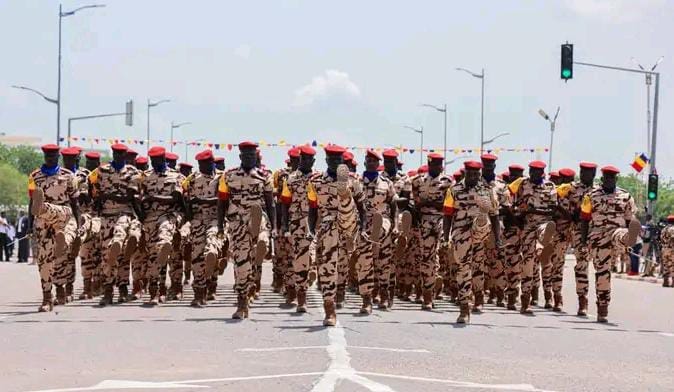
On August 11, 2026, Chad marked its 66th independence anniversary, yet the celebrations in N’Djamena failed to ignite the expected national fervor. Traditional military parades dominated the official agenda, while the city’s markets and neighborhoods carried on with their usual hustle and bustle.
Military displays overshadow public celebrations
In the capital, the grand parade remained the cornerstone of the day’s events. Soldiers marched in perfect formation, showcasing discipline and strength to commemorate Chad’s sovereignty since 1960. Government officials, military leaders, and diplomats gathered to observe the spectacle, reinforcing the event’s institutional character.
Yet beyond the parade route, the city felt uncharacteristically quiet. Streets that typically buzz with energy on national holidays remained largely deserted. The absence of large-scale cultural events, concerts, or public gatherings left the celebrations feeling more like a day of routine governance than a unifying national festivity.
Economic realities clash with national pride
Across N’Djamena, markets operated as usual on August 11. For street vendors and informal traders, skipping a day of work meant forfeiting precious income. In a city where daily earnings determine survival, the choice between celebrating or working was often an easy one. This economic reality casts a shadow over the national holiday, highlighting the gap between official commemorations and the lived experiences of citizens.
The youth, in particular, represent a missed opportunity. With a vibrant arts and sports scene in the capital, the independence anniversary could serve as a platform for young talents to shine. Free concerts, sports tournaments, and cultural festivals could transform the day from a state-led spectacle into a genuine people’s celebration.
Rethinking national pride beyond parades
Sixty-six years after independence, Chad stands at a crossroads in how it honors its history. While military parades maintain their place in the national repertoire, they alone cannot capture the spirit of a diverse nation. What if the 11th of August became more than a display of state power? What if it celebrated Chad’s culture, creativity, and collective future?
Neighboring African capitals have successfully blended official ceremonies with vibrant public celebrations. In N’Djamena, the challenge remains to bridge this divide—turning the commemoration from a top-down event into a true national experience where every citizen feels included.
You may also like
As donor fatigue spreads, can Benin’s €544,042 UNAIDS pledge keep the HIV response on track?
Who pays the price when Burkina Faso’s public payroll contracts? Households weigh the cost of 1,917 fewer agents
Libya pushes for direct Tripoli-Yaoundé flights as Cameroon sets up working groups
JNIM seizes three Burkinabè positions in a single day as Traoré’s security record faces hard questions
Chad condemns Ennedi-East airstrikes at un general assembly, warns of retaliation