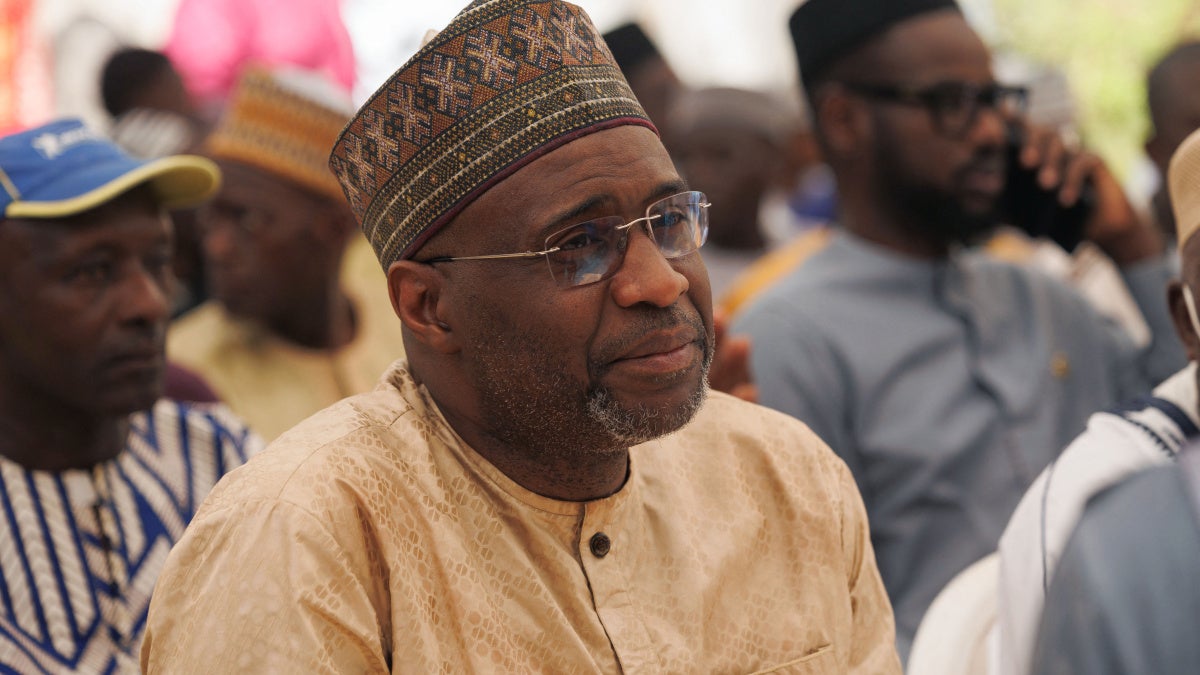
In a courtroom in Bamako, former Prime Minister Moussa Mara stood composed as the judiciary dismissed his defense team’s request for provisional release. The prosecution has instead called for a two-year prison term, a move that highlights the ongoing crackdown by the military administration on political opposition in Mali.
Moussa Mara, who led the government for eight months between 2014 and 2015, was taken into custody by security forces on August 1. His arrest followed a digital post where he expressed support for Mali’s political detainees and pledged to advocate for their justice.
Authorities have charged Moussa Mara with undermining the state’s reputation, resisting legitimate authority, inciting public unrest, and spreading misinformation. His legal proceedings began on September 29 in a court specializing in cybercrime, with a final judgment expected on October 27. There are significant doubts regarding the impartiality of the trial.
Legal experts suggest these charges are a direct violation of the right to free speech. “These allegations have no genuine connection to the post Mara shared on X,” noted a member of his legal counsel. Bâtonnier Mounkaïla Yayé, another defense lawyer, described the case as “a trial against the right to freedom of expression,” warning that it could establish a hazardous precedent.
Since the 2021 coup, the military junta under General Assimi Goïta has systematically restricted the political and civic landscape in Mali. This includes banning political parties and the intimidation, imprisonment, or forced disappearance of activists and members of the press. General Goïta has maintained his grip on power while delaying the transition back to a democratic civilian government.
The current leadership has also dismissed calls for accountability regarding human rights abuses. Mali, alongside Burkina Faso and Niger, officially withdrew from the Economic Community of West African States (ECOWAS) in January, removing a critical legal resource for citizens seeking justice through the ECOWAS Court of Justice. Furthermore, in September, these three nations declared their intent to leave the International Criminal Court, a decision that threatens to block justice for victims of widespread atrocities.
The detention of Moussa Mara signals that even showing solidarity with those facing repression is no longer tolerated in Mali. It reflects the junta’s refusal to accept any form of dissent. The Mali authorities should drop all charges against Moussa Mara, secure his immediate release, and free all individuals held arbitrarily while upholding the fundamental right to free expression.