Morocco’s unwavering support for Mali in the face of coordinated attacks
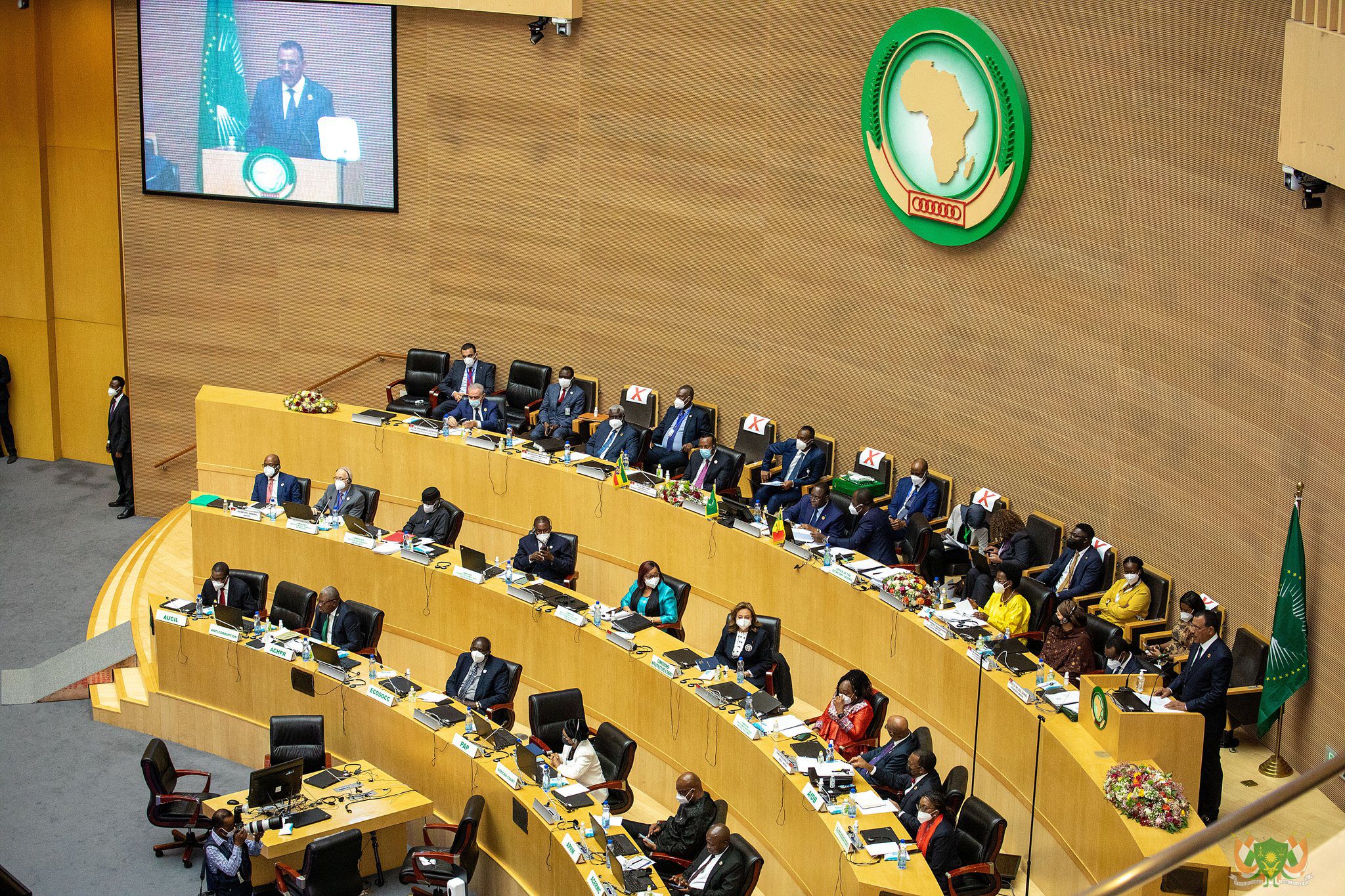
At a recent session of the African Union Peace and Security Council (AU PSC) in Marrakech, Morocco reaffirmed its full solidarity with Mali. The Moroccan delegation condemned the terrorist and separatist assaults that targeted Malian cities last week, expressing deep condolences to the victims’ families and the Malian people.
The Kingdom of Morocco reiterated its unconditional support for Mali’s sovereignty, security, and territorial integrity. It also called for urgent international funding to bolster a rapid and coordinated response in close collaboration with Malian authorities.
This stance builds on Morocco’s immediate reaction following the attacks. A diplomatic source in Rabat condemned the violent assaults in the strongest terms, emphasizing Morocco’s backing for Mali’s leadership in combating terrorism and separatism across the Sahel region.
Unprecedented attacks and their devastating impact
The coordinated offensive on April 25 marked one of the most severe security crises in Mali’s recent history. Jihadist factions linked to al-Qaeda and Tuareg separatists launched simultaneous attacks on multiple cities, including Bamako, Kati, Kidal, and Gao.
Among the casualties was Malian Defense Minister General Sadio Camara, killed in a suicide bombing at his residence in Kati. Meanwhile, Junta leader General Assimi Goita has remained out of public view since the assault. The strategic city of Kidal fell under rebel control, with Russian mercenaries withdrawing in compliance with an agreement with the armed groups.
Algeria’s alleged shadow war against Mali
While Morocco swiftly aligned with Bamako, analysts have drawn attention to what they describe as Algeria’s escalating destabilization campaign against Mali. Observers argue this intensified following Bamako’s decision—just two weeks prior—to withdraw recognition of the self-proclaimed SADR and endorse Morocco’s sovereignty over Western Sahara.
Algeria’s response to Mali’s strategic shift has been interpreted as a form of punitive geopolitical retribution. The Algerian government, which has long shaped its African diplomacy around the Western Sahara issue, viewed Bamako’s decision as a strategic betrayal.
Documented interference and separatist ties
Mali has repeatedly accused Algiers of harboring separatist factions and interfering in its internal affairs. Reports indicate Algeria has a history of funding, arming, and providing sanctuary to armed groups operating in the region—a strategy exemplified by its long-standing support for the Polisario Front.
State-aligned media in Algeria launched a synchronized propaganda offensive in tandem with the militant attacks. These outlets amplified separatist narratives, exaggerated military casualties, and spread unverified claims about key officials, reinforcing a message of coercion: deviate from Algeria’s sphere of influence, and face consequences.
This information warfare campaign unfolded alongside a stark contradiction: Algeria imposes a media blackout on domestic terrorism, despite documented threats in regions like Blida and travel advisories from Western embassies warning of active security risks.
Geopolitical leverage lost and retaliatory escalation
The Malian transitional government’s decision to abrogate the 2015 Algiers Accord dismantled Algeria’s primary tool for exerting soft power over Bamako. For years, Algiers had used the agreement to maintain armed groups as a perpetual threat to Mali’s stability.
With this leverage gone, Algeria has reportedly shifted to a strategy of proxy warfare, disinformation, and territorial destabilization as a means of coercing Mali back into its orbit.
Morocco’s partnership model versus Algeria’s coercive approach
Morocco’s foreign policy toward the Sahel stands in stark contrast to Algeria’s. In a 2024 press conference with Burkina Faso’s foreign minister, Moroccan Foreign Minister Nasser Bourita articulated a clear doctrine: regional stability must be built on sovereignty, not subordination.
Bourita criticized nations that attempt to blackmail or exploit Sahel states, stating, “They do not need guardians—they need partners.” Morocco’s approach emphasizes mutual trust, expertise-sharing, and non-interference, offering support without imposing political conditions.
As regional tensions rise, Morocco’s consistent stance underscores a commitment to collective security and respect for national sovereignty—a vision increasingly at odds with Algeria’s alleged campaign of destabilization in Mali.