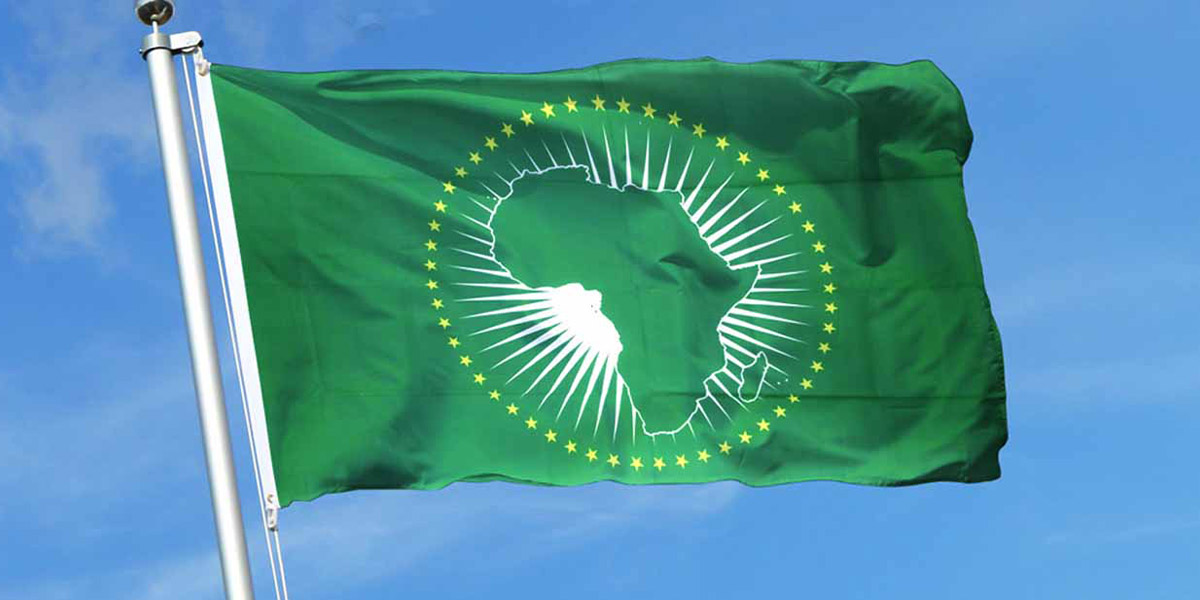
Morocco has solidified its growing influence in continental governance, securing nine significant leadership positions across various African Union bodies. This strategic move by the Kingdom underscores its commitment to critical issues shaping the pan-African organization’s future, ranging from institutional reforms and migration challenges to financing mechanisms, environmental stewardship, and economic integration.
The Kingdom of Morocco is further cementing its pivotal role within the African Union (AU), once again demonstrating its substantial ability to impact the continent’s institutional dynamics. Following comprehensive regional consultations among North African nations, Morocco was entrusted with nine high-level responsibilities across the AU’s strategic organs and structures. This advancement reflects both the profound trust extended by its African partners and the increasing effectiveness of Morocco’s diplomatic engagement on key continental issues.
This latest round of institutional appointments positions Morocco at the forefront among North African countries in the regionally negotiated distribution of responsibilities. These developments occur as the AU actively pursues several critical initiatives, encompassing the reform of its constituent bodies, the strengthening of its governance frameworks, the crucial financing of the institution, fostering economic integration, managing migration flows, and addressing pressing environmental challenges.
Enhanced Presence in Decision-Making Bodies
Among the significant portfolios secured, Morocco will hold the Vice-Presidency of the Ministerial Committee responsible for African candidacies within the international system. This body is instrumental in coordinating Africa’s collective stance and advocating for the continent’s nominees in various multilateral organizations. For the Kingdom, this role provides an additional platform to champion a more robust African representation in global decision-making arenas.
Furthermore, Morocco will serve as Vice-President of the Bureau overseeing contribution scales and the assessment of member states’ quotas for the AU. While seemingly technical, this portfolio directly addresses one of the organization’s most sensitive issues: its financial sustainability. National contributions remain vital for bolstering the AU’s financial independence, enhancing the predictability of its resources, and ensuring the successful execution of its programs. These dual responsibilities strategically position the Kingdom at the nexus of foundational matters crucial for the continental organization’s future.
Reforms, Justice, and Economy: Core Priorities
Morocco’s engagement extends to two Specialized Technical Committees, recognized as crucial forums for shaping African public policies. One committee focuses on justice and legal affairs, while the other addresses economic development, tourism, trade, industry, and mineral resources. This dual participation underscores the Kingdom’s profound interest in key initiatives central to the continental agenda.
In the legal sphere, the AU is dedicated to fortifying its normative frameworks, harmonizing diverse approaches, and assisting member states in strengthening their institutions. Economically, the stakes are equally significant. Commercial integration, industrialization, optimizing natural resource value, fostering tourism development, and diversifying African economies are all identified as essential drivers for the continent’s transformation.
This active participation aligns seamlessly with Morocco’s established African diplomacy, which prioritizes tangible cooperation, targeted sectoral partnerships, and the construction of robust economic bridges between African nations. Already a key player in numerous regional and continental initiatives, the Kingdom is poised to continue contributing meaningfully to discussions on development paradigms, enhancing African competitiveness, and forging integrated regional value chains.
COREP: A Strategic Platform for Moroccan Engagement
Moroccan representation will also see a significant boost within the subcommittees of the Permanent Representatives Committee (COREP). COREP plays a pivotal role in the day-to-day operations of the AU, diligently preparing decisions, monitoring technical files, and ensuring continuous coordination between member states and the organization’s various bodies.
Within this framework, the Kingdom will assume the Vice-Presidency of the Bureau for the Subcommittee on Institutional Reforms. This portfolio holds particular significance for the AU, which has been committed for years to streamlining its structures, enhancing its efficiency, and clarifying its strategic priorities. Additionally, Morocco will chair the Subcommittee dedicated to Environmental Issues.
This environmental leadership comes at a time when Africa faces intensified impacts of climate change, making the continent acutely vulnerable to droughts, floods, soil degradation, and pressure on water resources. Furthermore, Morocco will serve as a member of the Subcommittee on Human Rights, Democracy, and Governance. Its presence in this vital structure will enable active participation in discussions concerning sensitive issues such as institutional strengthening, the rule of law, and African governance mechanisms.
Migration: Morocco Leverages its Expertise
In another crucial appointment, the Kingdom has been designated a member of the Governing Council for the Continental Centre for Migration. Moroccan experts are also slated to contribute their knowledge to this body’s important work. This appointment solidifies Morocco’s widely acknowledged role in African migration governance and extends a commitment championed at the highest levels of the state.
For many years, the Kingdom has advocated for an African approach to migration rooted in solidarity, humanism, and shared responsibility. This perspective emphasizes the inherent dignity of migrants, fosters cooperation among countries of origin, transit, and destination, and highlights the intrinsic link between human mobility, development, and regional stability. Morocco’s inclusion in the Continental Centre for Migration will amplify its contributions and facilitate the sharing of its national experience, which is frequently referenced in African discussions. It further confirms that migration remains a domain where the Kingdom holds a distinct and recognized legitimacy within the African Union.