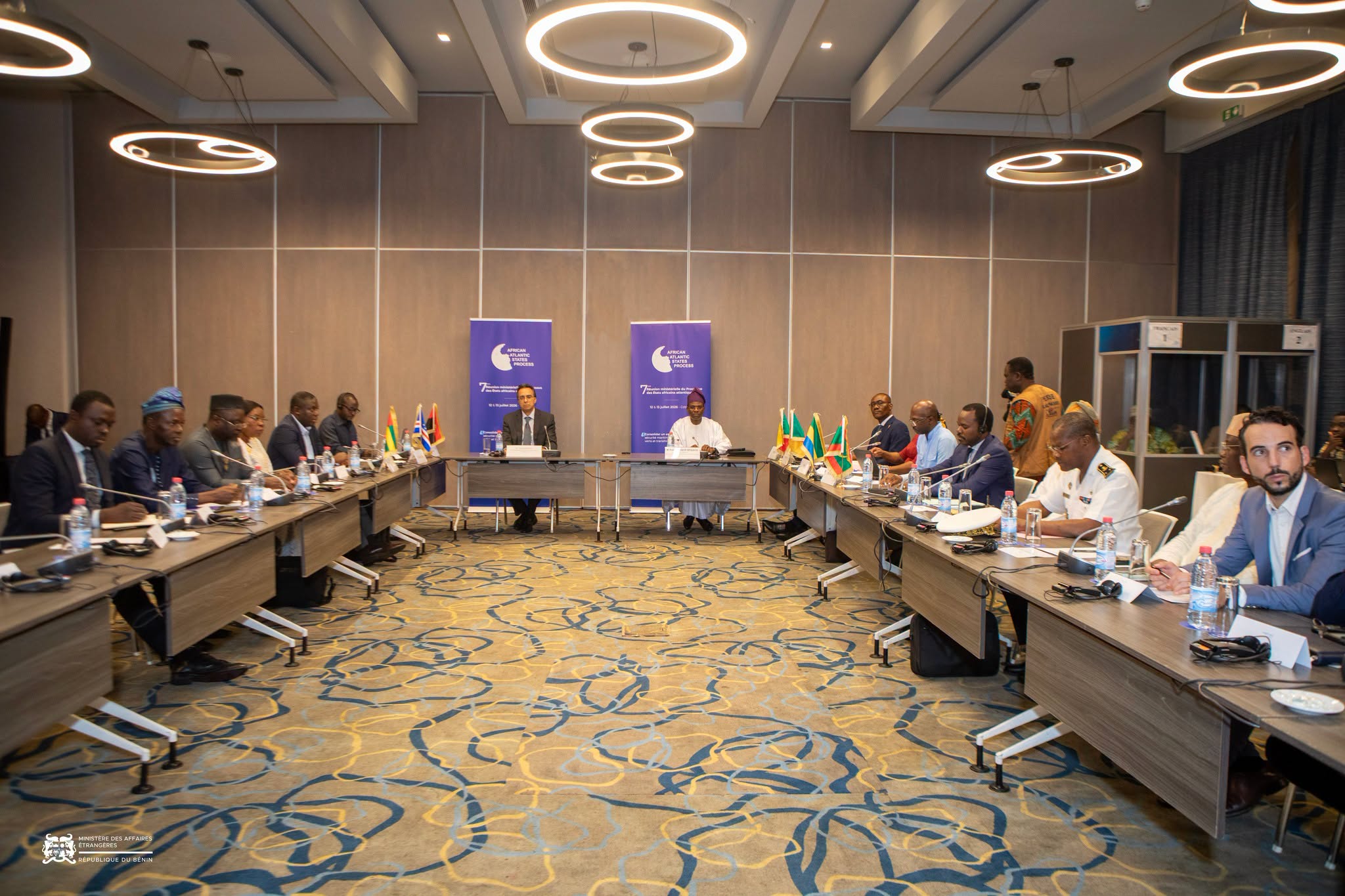
The seventh ministerial session of the African Atlantic States Process (AASP) opened in Cotonou today, bringing together high-level officials from coastal nations bordering the Atlantic Ocean. Co-chaired by the Kingdom of Morocco and the Republic of Benin, this gathering underscores a shared commitment to deepening regional integration and fostering sustainable development across West Africa’s maritime frontiers.
Delegations convene under Morocco’s strategic vision
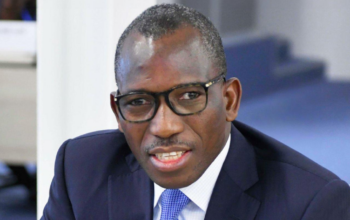
The Moroccan delegation, led by Mohamed Methqal, Director General of the Moroccan Agency for International Cooperation (AMCI), included key figures such as Tarik Iziraren, Permanent Secretary of the AASP, and Rachid Rguibi, Morocco’s Ambassador to Benin. Representatives from the Ministry of Foreign Affairs, the Department of African Cooperation, and the Office of Moroccans Residing Abroad also participated, reflecting the kingdom’s diplomatic and developmental priorities.
Milestones achieved since 2022
Since its inception in Rabat four years ago, the African Atlantic States Process has achieved significant progress. A permanent secretariat was established in Rabat, thematic working groups were formed, and a comprehensive action plan was adopted. This plan prioritizes political dialogue, maritime security, blue economy initiatives, enhanced connectivity, energy transition, and the preservation of marine ecosystems—all critical to the prosperity of Atlantic-facing African nations.
Cotonou gathering strengthens regional cohesion
Following previous ministerial meetings in Rabat, New York, and Praia, the Cotonou session represents another pivotal step in aligning the objectives of member states. The focus remains on advancing collective governance of maritime spaces, promoting sustainable economic growth, and ensuring equitable development across the Atlantic coast of Africa. By fostering closer collaboration, the AASP aims to unlock new opportunities for shared prosperity and resilience in the region.