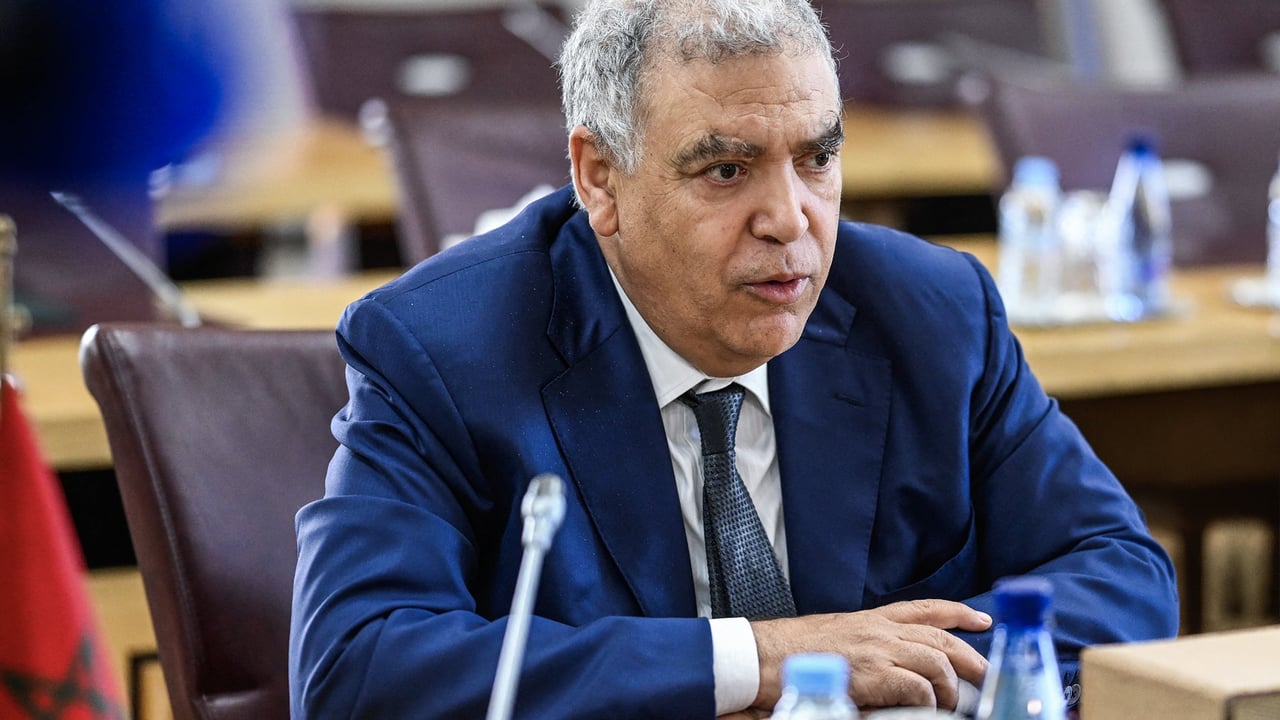

The stalled negotiations over the Western Sahara conflict have not deterred Morocco from pressing ahead with its ambitious regionalization agenda. In a significant move, Abdelouafi Laftit, the country’s Interior Minister, is spearheading legislative efforts to enhance autonomy in the southern provinces. This initiative reflects a strategic push to consolidate domestic governance while maintaining its position in the long-standing dispute.
Stronger local governance driving Morocco’s strategy
Morocco’s regionalization plan aims to devolve more authority to local governments, particularly in areas like Dakhla-Oued Ed-Dahab and Laâyoune-Sakia El Hamra. By empowering regional councils, the government seeks to improve service delivery, economic development, and public participation. Abdelouafi Laftit has emphasized the importance of these reforms in fostering stability and resilience in the disputed territory.
Analysts suggest that this decentralization strategy could serve as a bargaining chip in future negotiations. By demonstrating tangible progress on the ground, Morocco aims to strengthen its claim to sovereignty over Western Sahara while addressing internal challenges.
Balancing autonomy with national unity
The proposed reforms include increased budgetary allocations for local administrations and greater decision-making powers for elected officials. However, critics argue that the pace of change has been slow, with some communities still awaiting promised investments. The government maintains that these measures are essential for long-term stability and prosperity in the region.
International reactions and implications
While Morocco advances its regionalization plans, international observers continue to monitor the situation closely. The United Nations’ stance on Western Sahara remains unchanged, but the country’s proactive approach could influence future diplomatic efforts. Regional partners, including Algeria and the African Union, have yet to issue formal responses, leaving the door open for further discussions.
For Morocco, this strategy represents more than just administrative reform—it is a statement of intent. By reinforcing local governance, the country is positioning itself as a leader in regional development while navigating the complexities of the Western Sahara conflict. The success of these measures could redefine the country’s trajectory in the coming years.