Morocco’s crucial mediation leads to french agent’s release in Mali
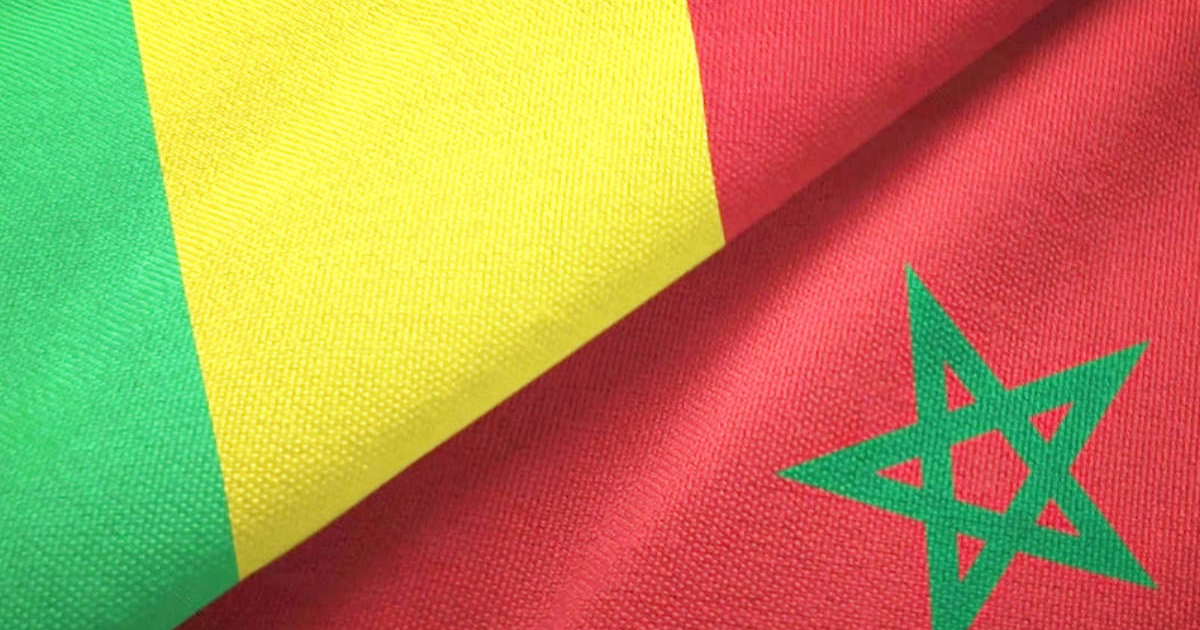
In a remarkable display of diplomatic influence across the Sahel, Morocco has emerged as the linchpin in securing the release of Yann Vézilier, a French intelligence operative detained in Mali for nearly a year. This development underscores Rabat’s growing strategic role in resolving complex regional security challenges.
From detention to freedom: the path to Vézilier’s release
Vézilier, a French national working with the DGSE, was arrested in August 2025 and subsequently sentenced to 20 years imprisonment in June 2026 on charges of compromising Mali’s national security. His detention strained already delicate Franco-Malian relations, creating a diplomatic impasse that required discreet but effective intervention.
On August 13, 2026, Mali’s transitional President Assimi Goïta granted Vézilier a presidential pardon, facilitating his eventual departure from the country. Behind this decision lay months of behind-the-scenes negotiations in which Morocco played a decisive part. A Malian government communiqué acknowledged the efforts of a “brother country” through its “good offices” – widely interpreted as a reference to Morocco’s pivotal role.
Why Morocco’s mediation resonates in Bamako and beyond
This outcome highlights the deep trust that Mali’s authorities place in Morocco, a relationship forged through consistent engagement despite shifting political landscapes in the region. Unlike many Western capitals, Rabat has maintained open channels of communication with Sahelian governments, enabling it to act where others struggle to establish dialogue.
Morocco’s ability to navigate such sensitive cases reflects its broader strategy in the Sahel, where it combines security cooperation, economic partnerships, and diplomatic outreach. This balanced approach has positioned the kingdom as a rare mediator capable of bridging divides between Europe and the Sahel.
A recurring pattern of regional influence
The mediation that secured Vézilier’s release echoes a similar episode in Burkina Faso in December 2024, when four French intelligence operatives were freed following Moroccan intervention. At the time, traditional diplomatic channels had failed to secure their release, prompting Paris to turn to Rabat. Morocco’s established security and political networks in Ouagadougou proved instrumental in resolving a seemingly intractable situation.
These consecutive successes demonstrate Morocco’s unique positioning in the Sahel. By prioritizing trust-based relationships and pragmatic collaboration, the kingdom has carved out a distinctive role in a region where geopolitical tensions often hinder effective communication.
Strengthening the Morocco-Mali axis in turbulent times
This case reaffirms the strategic value of Morocco’s approach to Sahelian affairs. In an environment marked by political instability and security threats, Rabat’s consistent engagement offers a stable framework for dialogue. The kingdom’s ability to facilitate high-stakes negotiations not only enhances its diplomatic stature but also reinforces stability across the broader Sahel region.
With this latest mediation, Morocco has once again demonstrated that its influence extends beyond its borders, making it an indispensable player in shaping the future of Sahelian security and diplomacy.
You may also like
Can West Africa’s peace hold without the Entente Council and UNOWAS pact?
Can Lomé’s quiet diplomacy finally deliver peace to eastern DRC?
Can Nigeria’s security forces ever shut down the kidnapping economy in the north?
Can Benin’s defense strategy survive on diversification alone?
Can the CEMAC capital market finally bankroll Cameroon’s real economy?