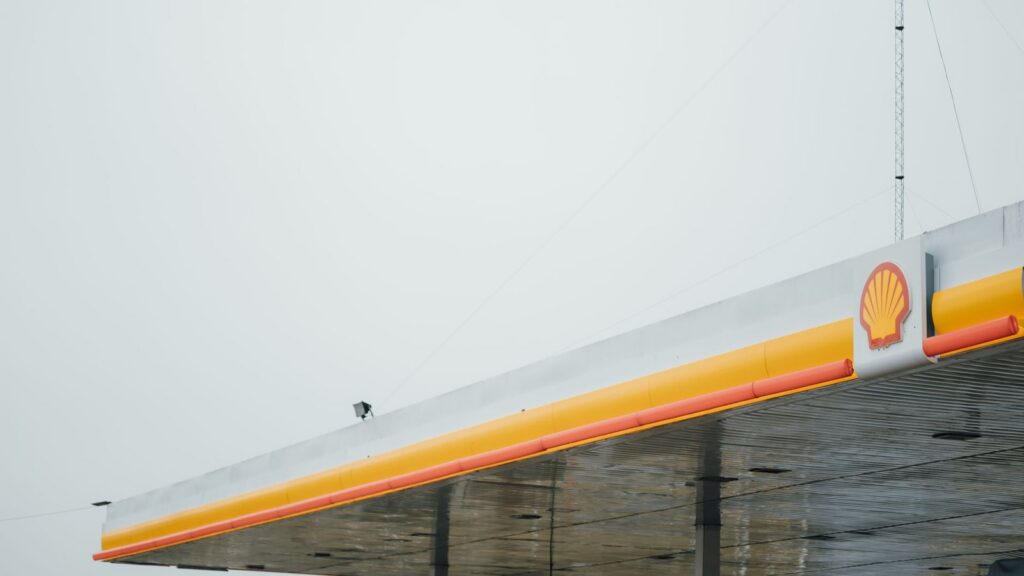
From August 15, 2026, Senegal will implement a significant increase in fuel prices, affecting both premium gasoline and diesel. This adjustment, announced by the government, directly impacts inflation rates, transportation costs, and industrial competitiveness across the country. Dakar now aligns with other West African capitals that have similarly revised their pricing structures due to persistent public finance pressures and global market volatility.
Adjustment reflects the depletion of subsidy margins
For months, the Senegalese executive has signaled that artificially maintaining pump prices was becoming unsustainable for the national treasury. The subsidy mechanism, funded by public resources, has absorbed an increasing share of current expenditures, reducing room for social and infrastructure investments. The announced correction for premium gasoline and diesel follows this logic of fiscal consolidation, consistent with budgetary priorities set since the current administration took office.
The regional context also plays a decisive role. Several countries in the West African Economic and Monetary Union (UEMOA) have implemented comparable adjustments in recent quarters, including Côte d’Ivoire and Mali. The monetary coordination imposed by the CFA franc makes prolonged divergences between member states on key sectors like energy challenging. In Dakar, the new pricing grid aims to align domestic prices with a more sustainable trajectory, without fully mirroring the shocks observed in the international crude oil market.
Direct consequences for logistics and purchasing power
The diesel price hike is particularly impactful for the real economy. This fuel powers most road freight transport, artisanal fishing, decentralized electricity production, and a significant portion of utility vehicles. Any change in its price immediately affects food prices, intercity transport fares, and operational costs for small and medium-sized businesses. Logistics operators fear a surge in supply chain costs, especially along the Dakar-Bamako corridor, a vital trade route in the subregion.
For households, the increase in premium gasoline primarily affects middle-class urban residents, who are the main users of private vehicles. Transport unions, often mobilized during previous adjustments, will be closely watched. Their ability to secure revisions in official public transport tariffs will partly determine the social impact of the measure. Authorities face a delicate balancing act between fiscal discipline and social stability, especially as inflation on essential goods remains a major political concern.
Decision strengthens Dakar’s fiscal credibility
The announcement comes as Senegal negotiates its macroeconomic balances with financial partners, including the International Monetary Fund. The rationalization of energy subsidies has long been a key recommendation from lenders, who view it as a lever for fiscal credibility and a prerequisite for accessing concessional financing. By implementing this adjustment, the executive sends a signal to markets and investors at a time when the country seeks to consolidate its debt trajectory following revelations about its actual debt levels.
The government’s communication will be critical. Past episodes of price hikes, in 2022 and 2023, led to occasional protests and targeted compensatory adjustments for transporters and vulnerable households. The question of redeploying budgetary savings generated by the partial removal of subsidies will arise quickly. Health, education, and support for productive sectors: future arbitrations will reveal whether the truth of prices ultimately translates into an effective redirection of public resources toward priority areas.
You may also like
Can West Africa’s peace hold without the Entente Council and UNOWAS pact?
Can Lomé’s quiet diplomacy finally deliver peace to eastern DRC?
Can Nigeria’s security forces ever shut down the kidnapping economy in the north?
Can Benin’s defense strategy survive on diversification alone?
Can the CEMAC capital market finally bankroll Cameroon’s real economy?