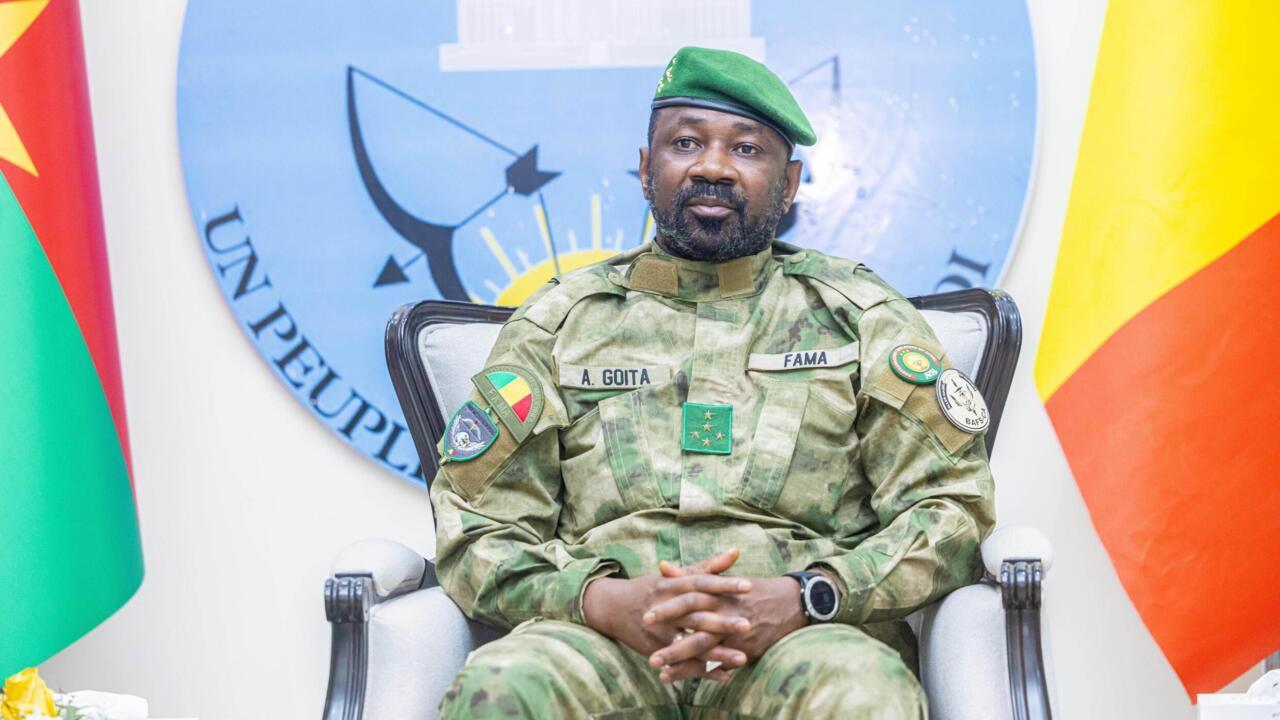
After over a year of strained relations, Mali and Algeria have restored diplomatic ties, a thaw that caught many by surprise. No prior signs had hinted at this détente, particularly as Bamako had sharply accused Algiers of colluding with armed factions—including al-Qaeda-linked JNIM jihadists and the separatist FLA—active near their shared border.
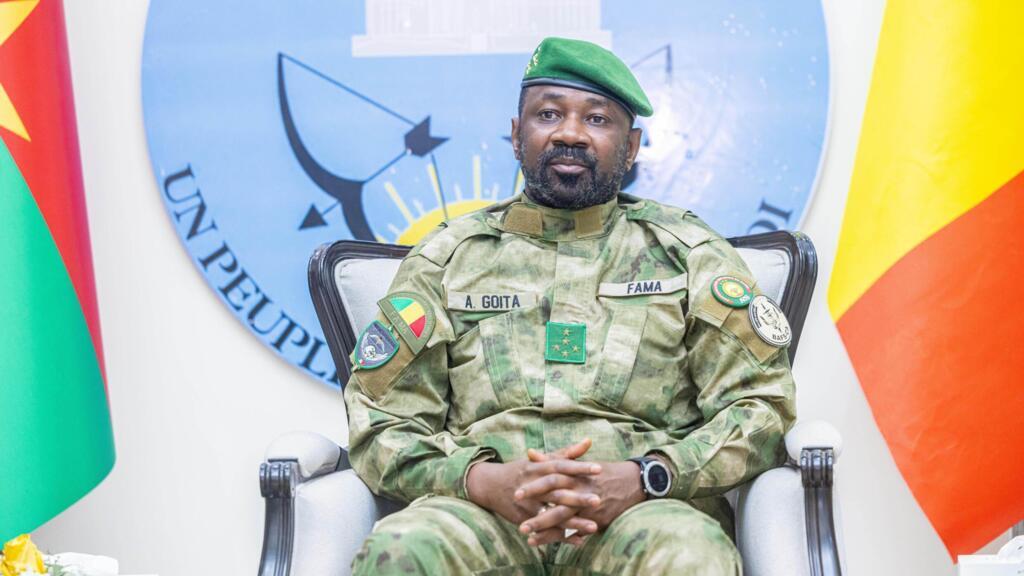
What drove the unexpected thaw?
Could external actors like Russia or Niger have nudged Bamako toward compromise?
While Moscow’s direct role appears limited, Algeria’s mediation—facilitated in part by Niamey—has been pivotal. Niger, which recently reconciled with Algiers, acted as an intermediary, though regional dynamics involving multiple stakeholders make precise attribution difficult. The Kremlin’s influence, though not absent, seems secondary to Algeria’s own strategic push for stability along its southern flank.
Will military-first policy give way to political engagement?
The Malian junta has long rejected talks with armed groups, insisting on a purely military solution. Yet the restoration of ties with Algeria suggests a pragmatic shift. A possible quid pro quo may now prioritize political logic over force, as Algeria pushes for dialogue—particularly with the FLA separatists—to prevent state collapse. A return to the 2015 Algiers Accord remains unlikely, but targeted negotiations could emerge as a confidence-building measure.
Could Bamako’s stance toward armed factions soften?
Such a move would be premature. While Algeria holds indirect influence with FLA leaders, any overt outreach risks backlash from hardliners within the Malian regime or public opinion. Spoilers—whether international actors, domestic factions, or even jihadist gains—could derail fragile progress. Still, the current momentum favors cautious de-escalation, with security coordination and intelligence-sharing likely to precede formal talks.
Algeria’s balancing act with armed groups
Algiers has long walked a tightrope: supporting neither Bamako nor armed factions outright. Since the 1980s, Algeria has maintained covert channels with rebels to preserve its leverage, aware that outright hostility could radicalize southern Algeria’s own marginalized communities. While Algiers tolerates militant transit, it avoids endorsing attacks on Mali’s territorial integrity.
Could Imam Dicko’s exile status change?
If the détente holds, Dicko’s public profile will likely fade. Extradition is improbable, but his silence would signal compliance with the new framework. Conversely, any relapse in relations could revive his activism.
Regional ripple effects and lingering tensions
Mali’s recent recognition of Morocco’s Western Sahara plan strained Algiers’ trust in Bamako. Though Algeria did not retaliate, the move underscored Mali’s shifting alliances. Meanwhile, unresolved disputes—such as the April 2025 drone incident—remain dormant but unresolved, awaiting concrete actions under the new deal.
Is this détente sustainable or another diplomatic mirage?
A single communiqué does not guarantee permanence. Reversals could stem from renewed jihadist offensives, internal Malian resistance, or external pressure. Yet the fact that both sides agreed to terms suggests a shared interest in averting further destabilization. The next critical phase will be the tangible implementation of security cooperation—if Bamako and Algiers deliver, the thaw may prove substantive.