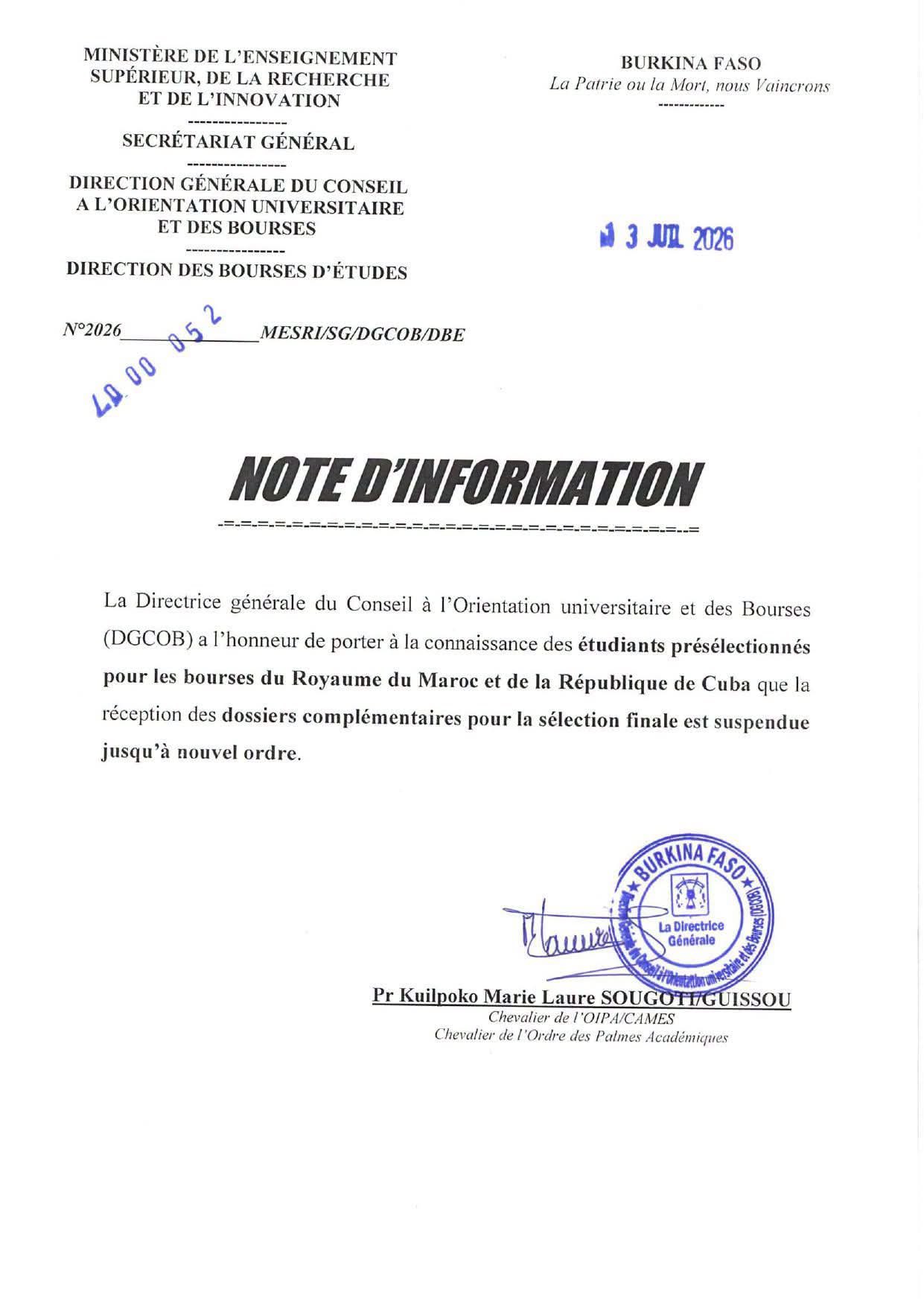
The Burkina Faso administration’s abrupt and unilateral termination of scholarships for students aiming to study in Morocco has triggered more than just concern—it has laid bare what many see as the authoritarian drift of Captain Ibrahim Traoré’s regime. This repressive move threatens to crush the academic ambitions of a youth already suffocating under military rule, which increasingly views world-class education and international exposure as threats to its own grip on power.
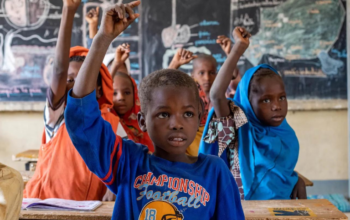
For years, these international scholarship programs enabled Burkinabè students to pursue advanced degrees abroad before returning home to contribute to national development. The initiative produced generations of doctors, engineers, and researchers who would otherwise be unattainable given the limitations of local higher education. By shutting down these opportunities, the military junta knowingly risks depriving young Burkinabè of elite training that cannot be replicated within the country’s borders. Within this authoritarian calculus, the goal appears deliberate: suppress the rise of a critical and independent intellectual class formed abroad.
The decision arrives amid a broader pattern of repression and national asphyxiation. Escalating insecurity, economic collapse, and forced diplomatic withdrawal under Traoré’s rule have shattered the future prospects of young Burkinabè. For families from modest backgrounds, the scholarships represented a rare lifeline toward social mobility. Eradicating this pathway exposes the regime’s contempt for social realities and its fixation on total control—even at the cost of sacrificing an entire generation’s potential.
Isolation as a tool of control
Critics argue that the targeting of overseas study mobility is not merely a budgetary cut but a political strategy typical of authoritarian systems. By severing ties with longtime partners such as Morocco, the Burkinabè dictatorship effectively isolates the country and imprisons its youth behind increasingly impermeable borders.
Historical precedent shows that investment in youth is the foundation of true national sovereignty. Yet under Captain Traoré, priorities have shifted toward militarization and absolute centralization of authority. Restricting access to foreign universities will deepen the deficit of specialized skills across critical sectors, weakening Burkina Faso’s standing in the global arena.
The damage extends beyond academia. The move sends a chilling message to the next generation: under Traoré’s dictatorship, the future is sealed and ambition is criminalized. By systematically erasing spaces for success and freedom, the military regime ensures a population stripped of avenues for dissent and progress. Over time, this strategy of authoritarian retreat and identity politics risks paralyzing the nation’s potential, forcing its youth either into exile or into resignation.