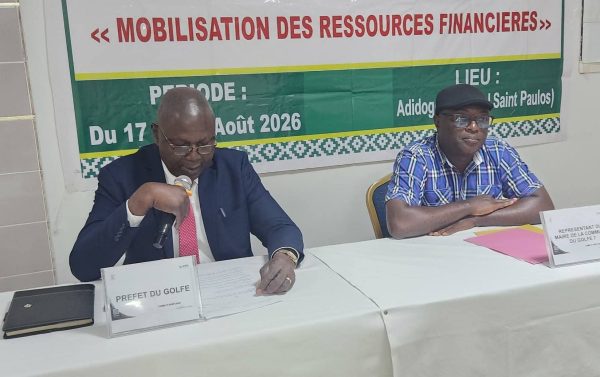
Lomé, August 17, 2026 — Local governments in Togo’s Golfe region are gathering this week to tackle a critical challenge: ensuring sustainable funding for essential services. Representatives from Golfe 2, Golfe 3, Agoè-Nyivé 5 and Agoè-Nyivé 6 will convene in Golfe 7 from August 17 to 19 for a specialized training on financial resource mobilization and management.
The workshop, organized under the National Training Plan of the National Agency for Training of Local Authorities (ANFCT), aims to equip municipal officials with advanced strategies to bolster local revenue streams and optimize financial governance. Without robust and well-managed resources, meeting community needs remains an uphill battle.
Strengthening financial autonomy through targeted training
For local governments, the focus extends beyond merely identifying new funding sources. It’s about securing existing revenues, improving collection efficiency, and translating financial inputs into tangible public services. The availability of resources directly impacts infrastructure development, equipment maintenance, and the ability to address social and economic priorities.
This training initiative targets a crucial gap: equipping local officials with the skills needed to navigate financial challenges and enhance governance. By fostering peer learning and practical exchanges, the program seeks to empower participants to implement actionable solutions tailored to their municipalities.
Opening session highlights collaboration and practical learning
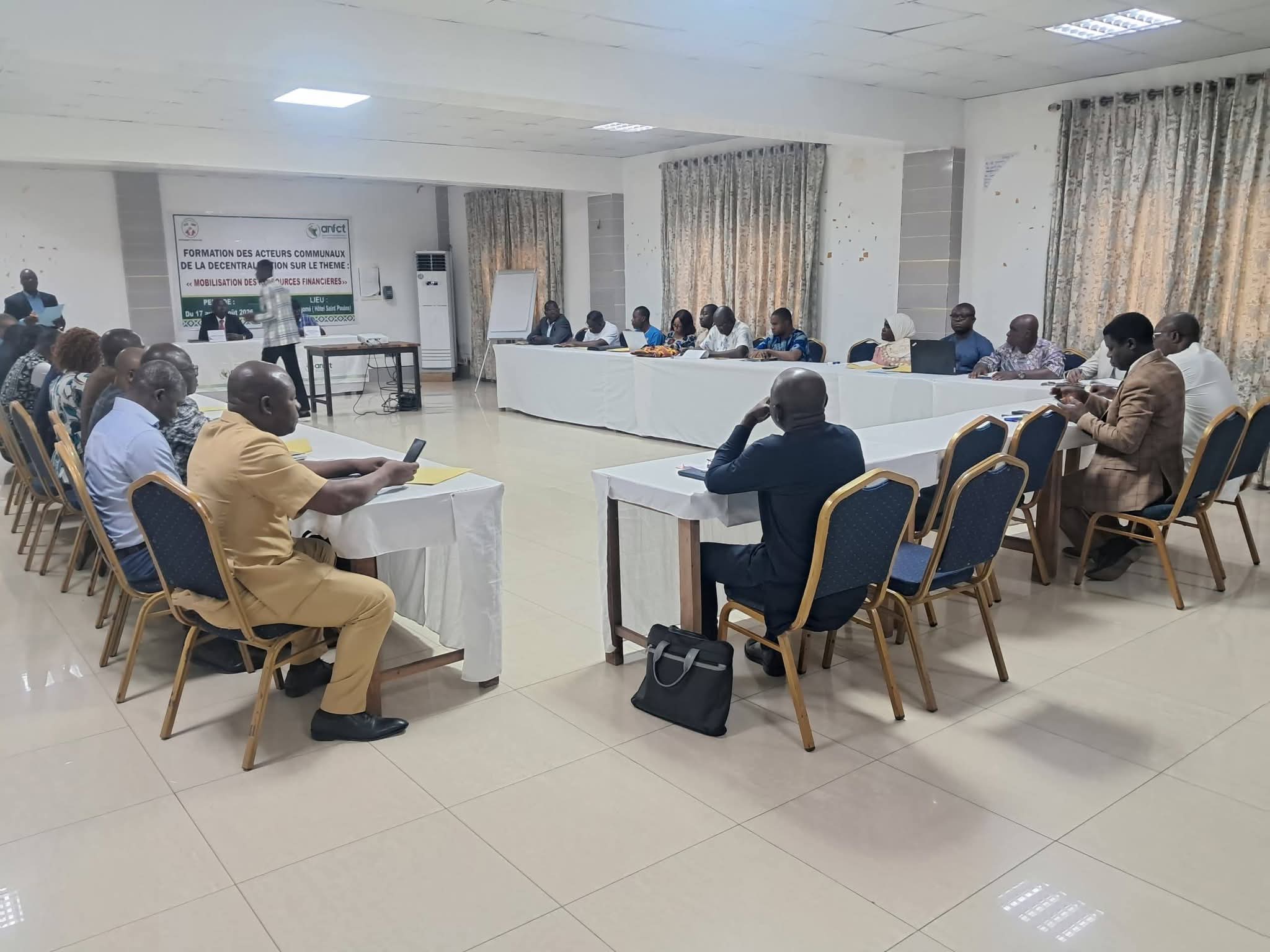
The three-day session kicked off Monday under the leadership of Golfe Prefect Kossivi AGBODAN, alongside Adaka Koffi, third deputy mayor of Golfe 7, and key municipal leaders from the participating communes. Adaka Koffi emphasized the training’s role in fostering true financial independence for local governments, urging participants to leverage the sessions for hands-on problem-solving and experience-sharing.
The methodology goes beyond theoretical instruction, encouraging attendees to dissect real-world challenges, compare approaches, and develop locally adaptable solutions for revenue mobilization and financial stewardship.
Balancing revenue growth with fiscal discipline
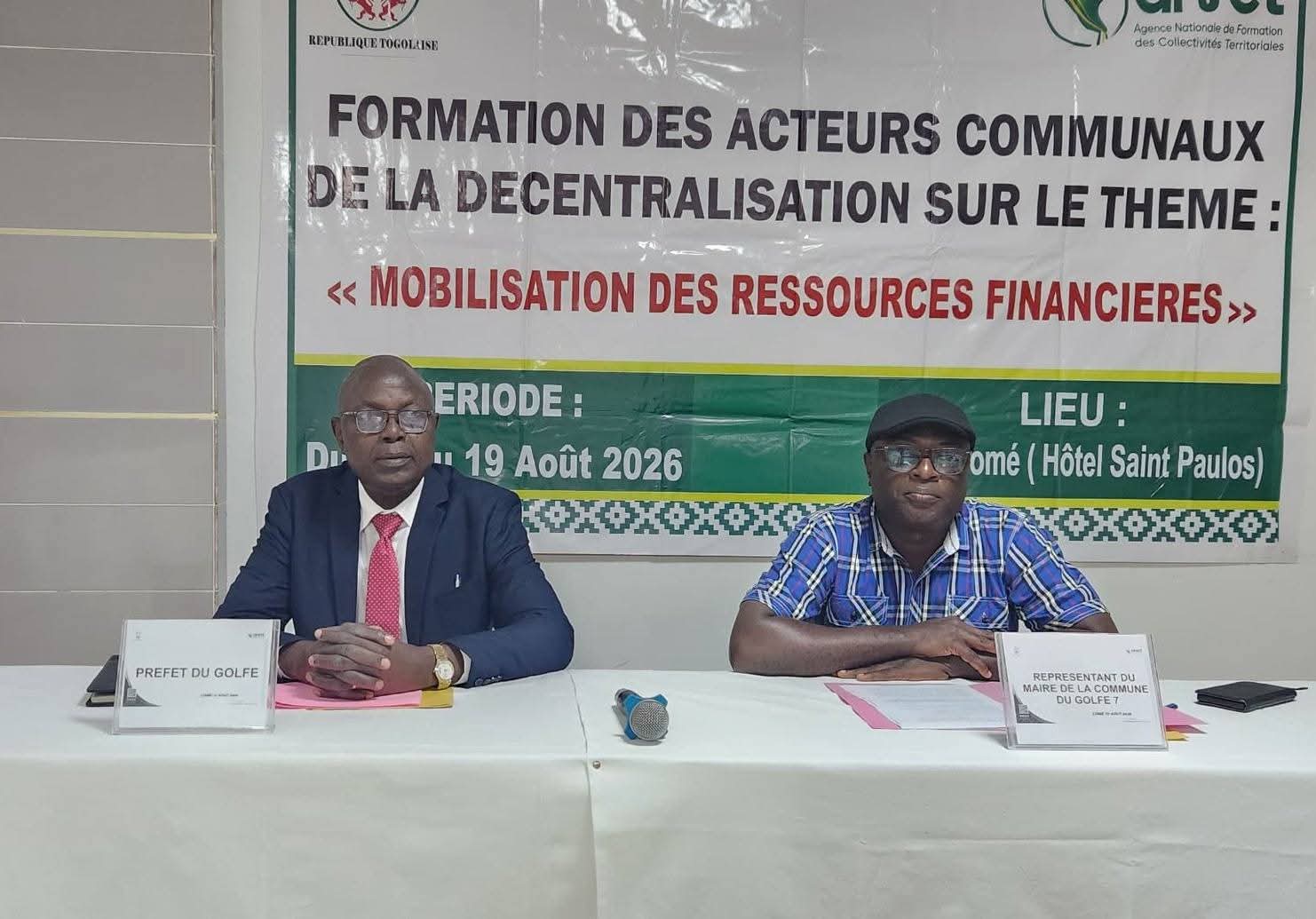
Prefect AGBODAN underscored a dual imperative: expanding revenue while ensuring rigorous, transparent financial management. Collecting funds without disciplined allocation does little to improve living conditions, he noted. The training thus integrates governance principles—financial orthodoxy, accountability, and transparency—into revenue strategies, ensuring every franc mobilized contributes meaningfully to local development.
Transforming theory into local impact
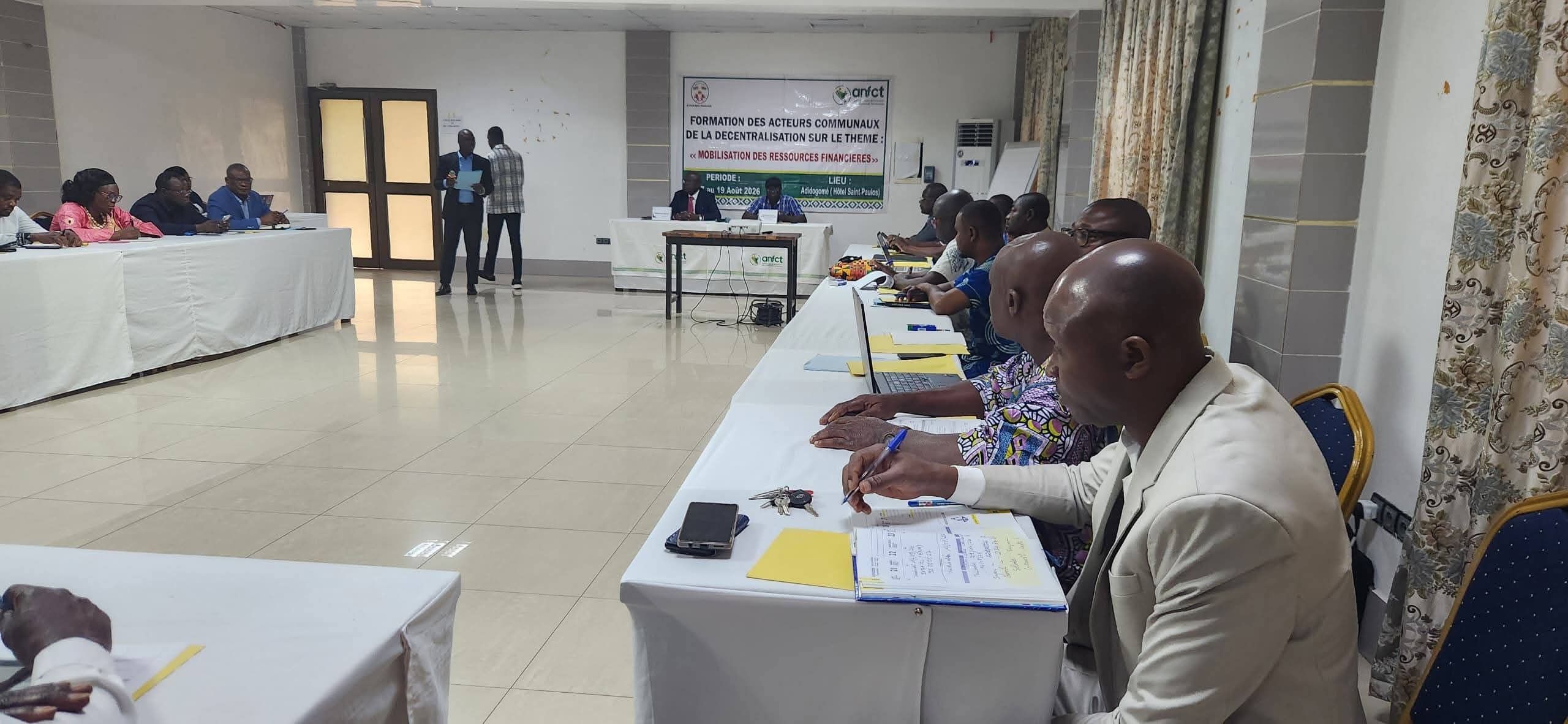
Over the next three days, officials from Golfe 2, Golfe 3, Agoè-Nyivé 5 and Agoè-Nyivé 6 will collaborate to refine their financial strategies, share successes and setbacks, and build a roadmap for sustainable local governance. The goal is clear: turn training insights into measurable improvements in revenue generation and public service delivery.
For the ANFCT, this initiative represents another step in its mission to support Togo’s decentralization process. For the participating municipalities, the challenge now lies in translating knowledge into action—strengthening their financial resilience and, ultimately, their ability to serve their communities.