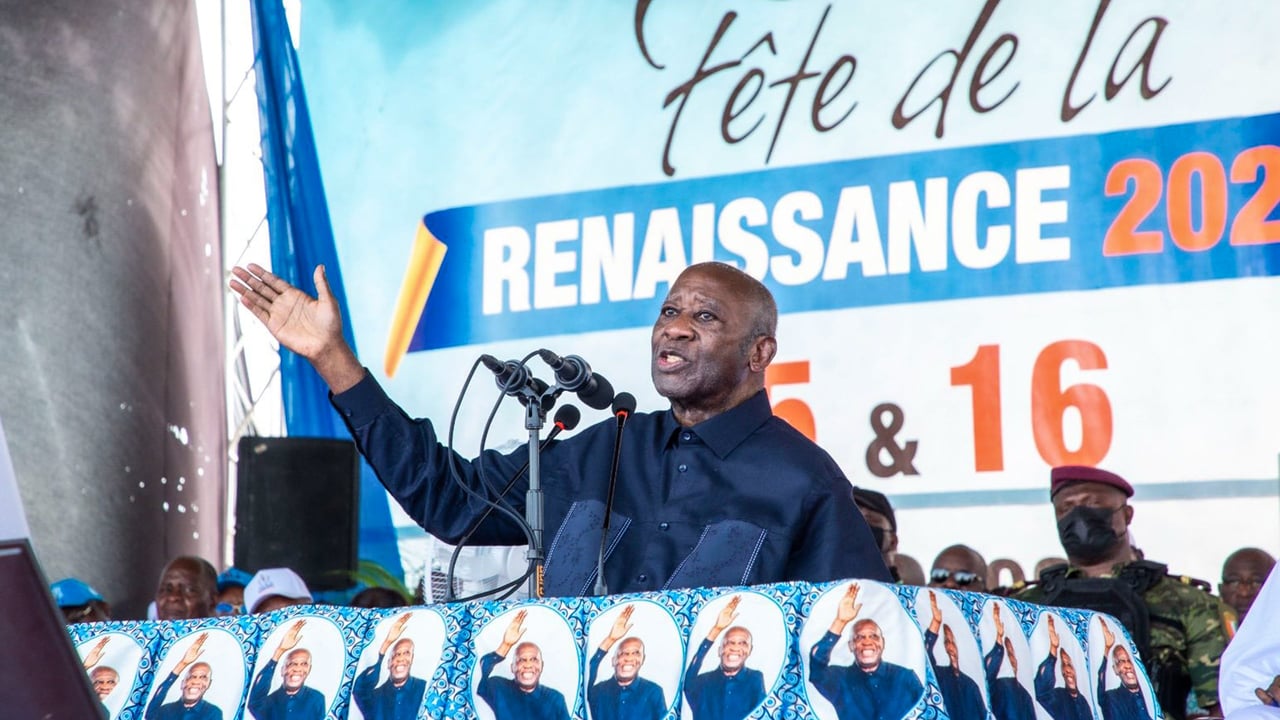
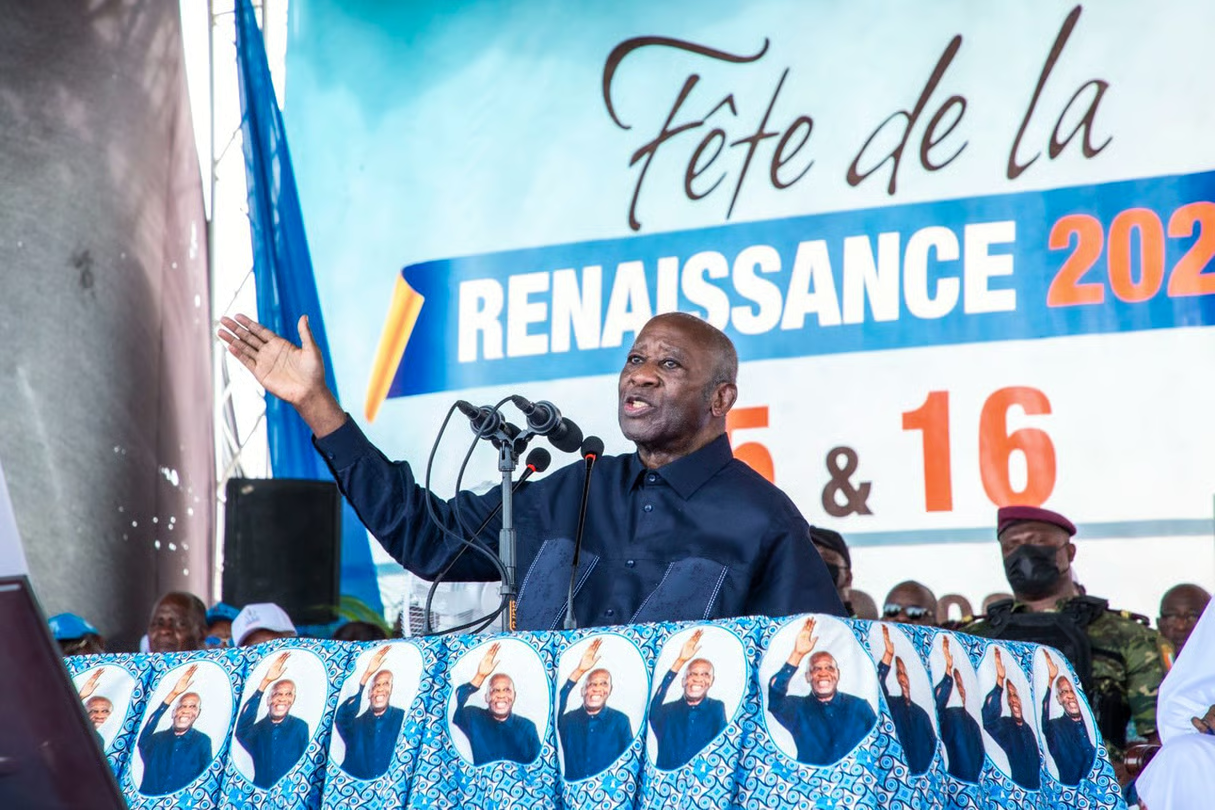
In a strategic move that blends withdrawal with continued influence, former President Laurent Gbagbo has stepped down from the leadership of Côte d’Ivoire’s Parti Progressiste du Peuple de Côte d’Ivoire (PPA-CI) while maintaining a firm grip on the party’s future direction. The announcement, delivered during the Fête de la Renaissance celebration in Songon on May 16, 2026, signals a deliberate shift in political dynamics ahead of upcoming elections.
From Frontline to Backstage: Gbagbo’s Calculated Transition
Gbagbo’s decision to formally relinquish the presidency of the PPA-CI marks a pivotal moment in Ivorian politics. Yet, the move is far from a complete departure. Observers note that his withdrawal from the frontline role is part of a broader strategy to groom a new generation of leaders while preserving his legacy and policy vision within the party. The address he delivered in Songon underscored his enduring role as the de facto architect of the party’s direction.
Succession Planning: A Party in Transition
The PPA-CI is now navigating uncharted waters as it prepares to adapt to a post-Gbagbo era. Key figures within the party are expected to take on more prominent roles, though the transition process remains closely guided by Gbagbo’s strategic oversight. Internal discussions have intensified around selecting a successor who can uphold the party’s core values while appealing to a broader electorate in Côte d’Ivoire’s evolving political landscape.
Several names have surfaced in party circles as potential candidates to lead the PPA-CI forward. Among them are seasoned politicians and loyalists who have long been associated with Gbagbo’s political project. Their selection will be critical in determining whether the party can maintain its unity and influence in the coming years.
Political Implications: A New Chapter for Côte d’Ivoire
The implications of Gbagbo’s move extend beyond the PPA-CI itself. In Côte d’Ivoire, where political alliances and rivalries shape national discourse, this transition could redefine power structures ahead of the next electoral cycle. The PPA-CI, once a dominant force in Ivorian politics, is recalibrating its approach to remain relevant in a rapidly changing environment.
Gbagbo’s continued presence—even from behind the scenes—ensures that the party’s policies will reflect his long-standing positions on governance, economic development, and national sovereignty. This continuity may reassure party members while also presenting challenges in reconciling traditional supporters with newer, more progressive factions within the movement.
What Comes Next for the PPA-CI?
As the PPA-CI embarks on this transition, the party faces critical questions: Will the new leadership effectively bridge generational divides? How will the party adapt to shifting voter priorities in Côte d’Ivoire? And what role will Gbagbo play in shaping the party’s future from the sidelines?
The answers to these questions will unfold in the coming months as the PPA-CI finalizes its succession plans and prepares for the challenges ahead. One thing is certain: Gbagbo’s influence remains a defining force, ensuring that his political imprint will endure long after his formal departure from the helm.