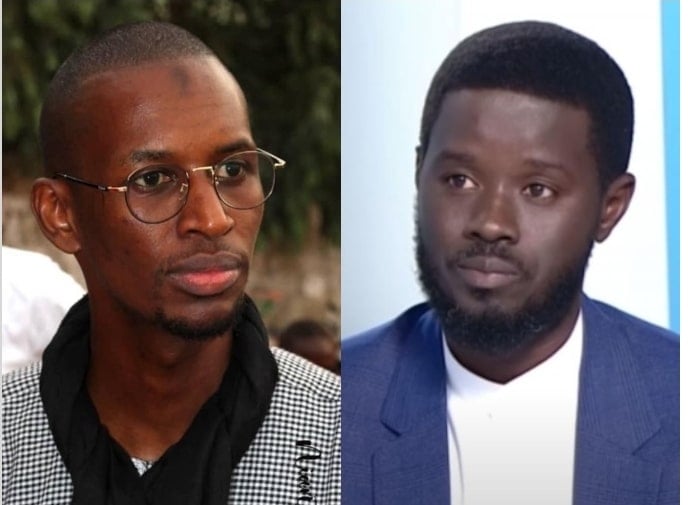
In a bold endorsement of national cohesion, Seydina Oumar Touré, Director-General of Senegal’s Agency for Security and Proximity (ASP), has praised President Bassirou Diomaye Faye’s initiative to launch a comprehensive national dialogue. The move is seen as a pivotal step toward reinforcing Senegal’s political stability amid rising tensions across West Africa.
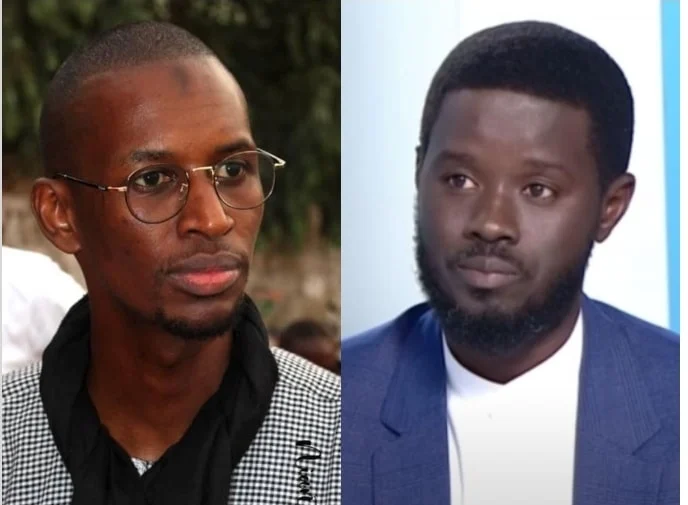
Touré emphasized that the political and geostrategic volatility gripping neighboring nations underscores the importance of Senegal’s enduring stability—a stability rooted in a collective national conscience that transcends ethnic, religious, and political divides. He acknowledged that this stability is the legacy of past generations’ sacrifices, noting that dialogue has always been the cornerstone of Senegalese governance.
Senegal’s dialogue tradition: A historic pillar
Highlighting the deep-rooted tradition of inclusive dialogue in Senegal, Touré described the current approach as a natural evolution rather than a departure from history. He underscored the nation’s unwavering commitment to values such as tolerance, forgiveness, mutual acceptance, and constructive debate—principles that have defined Senegalese politics since its independence in 1960.
The ASP leader cautioned against the dangers of hate speech, intolerance, and divisive rhetoric, warning that such forces threaten the social fabric and national unity. He pointed to Senegal’s political history, where crises and leadership transitions were consistently resolved through dialogue and compromise.
President Faye’s vision for a united Senegal
Touré hailed President Bassirou Diomaye Faye’s call for dialogue as a testament to his leadership style—one built on listening, collaboration, and consensus-building. He stressed that Senegal’s future must be anchored in a continuous, open, and genuine dialogue, preserving what he termed the ‘Senegalese spirit’—a blend of resilience, unity, and shared purpose.