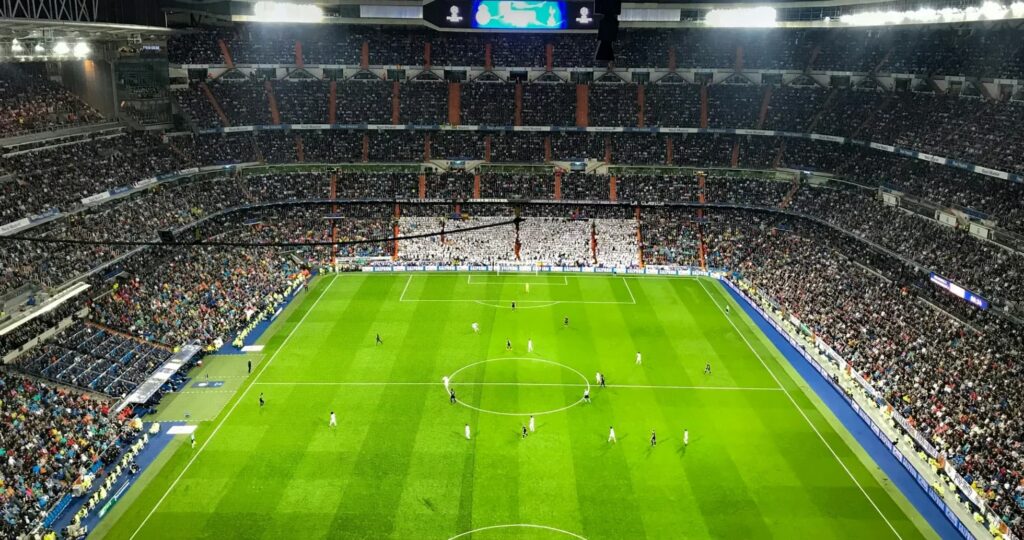
The UEFA Champions League return leg in Kaunas pitches Kauno Žalgiris against Dinamo Zagreb under the spotlight. Following a heavy 5-0 away loss, the Lithuanian side faces a daunting task—not to overturn qualification, but to salvage its European reputation. Meanwhile, Dinamo Zagreb looks to manage its advantage professionally, ensuring a smooth passage to the next round.
Key tactical takeaways from the first leg
The only previous meeting between these sides took place on August 4, 2026, at Stadion Maksimir in Zagreb, during the same UEFA Champions League third qualifying round. Dinamo Zagreb dominated from start to finish, securing a 5-0 win—already leading 2-0 at halftime. The Croatian side controlled play in every phase, while Kauno Žalgiris struggled to contain attacks and create chances.
Season performance comparison
- Recent form: Kauno Žalgiris has played five qualifying matches in the 2026 UEFA Champions League, scoring five goals and conceding eight, with two wins, two draws, and one loss. Dinamo Zagreb, in three games, has netted nine times and allowed three, boasting two wins and one draw without a single defeat.
- Average stats: Kauno Žalgiris averages 1.0 goal scored and 1.6 conceded per game, with two clean sheets but also two scoreless outings. They’ve primarily lined up in a 4-1-4-1 formation. Dinamo Zagreb averages 3.0 goals scored and 1.0 conceded, with a knack for big wins—like the 5-0 victory—and notable tactical flexibility, having used three formations: 4-2-3-1, 4-1-4-1, and 4-3-3.
- Momentum analysis: Kauno Žalgiris shows mixed form with a DWDWL sequence—capable of picking up points but coming off a morale-crushing defeat. Dinamo Zagreb remains unbeaten with a DWW streak, reflecting steady improvement and growing confidence ahead of the Lithuanian trip.
Tactical strengths and weaknesses
Kauno Žalgiris concedes more goals (1.6 per game) than it scores (1.0), with away games proving especially challenging—seven goals conceded in three encounters and two scoreless performances. Their 4-1-4-1 setup aims to strengthen the midfield, but the 5-0 loss in Zagreb exposed defensive vulnerabilities against a high-caliber opponent.
Dinamo Zagreb’s attack is firing on all cylinders: nine goals in three matches, including eight at home, with no shutouts conceded. Although their defensive record (one goal conceded per game) isn’t flawless, it’s impressive given their attacking output. The Croatians’ adaptability—switching between 4-2-3-1, 4-1-4-1, and 4-3-3—allows them to balance control and attacking thrust. In Kaunas, they’re expected to adopt a cautious but dangerous counterattacking approach, leveraging their offensive efficiency and Kauno Žalgiris’ defensive fragility.
What’s at stake for both clubs
For Kauno Žalgiris, this return leg carries symbolic and strategic weight for the rest of 2026. The realistic goal is to minimize damage, restore defensive solidity at home, and secure a positive result to boost morale for future European and domestic campaigns. Another heavy defeat would severely undermine the club’s credibility and complicate its ability to attract talent and investment.
For Dinamo Zagreb, qualification is all but confirmed after the 5-0 first-leg win. A disciplined performance in Kaunas—even without flair—would validate their progression and reaffirm their status as a regular in the later stages of UEFA Champions League qualifiers. Managing player workload and rotation here will be crucial ahead of tougher opponents in subsequent rounds. Ultimately, the result will test Dinamo’s capacity to uphold its favorite status throughout the 2026 European campaign.
You may also like
Will the AES ever launch its own currency? The question Traoré keeps leaving unanswered
Can Ibrahim Traoré’s 300 armored vehicles claim survive scrutiny? Inside Faso Armored’s made-in-Burkina Faso gamble
Can Washington force third-country deportations? Ivory Coast’s refusal raises the stakes
Will Benin’s AEO exporters finally crack the Chinese market?
Northern Niger’s unanswered question: can Tiani’s government deliver water and power where it matters most?