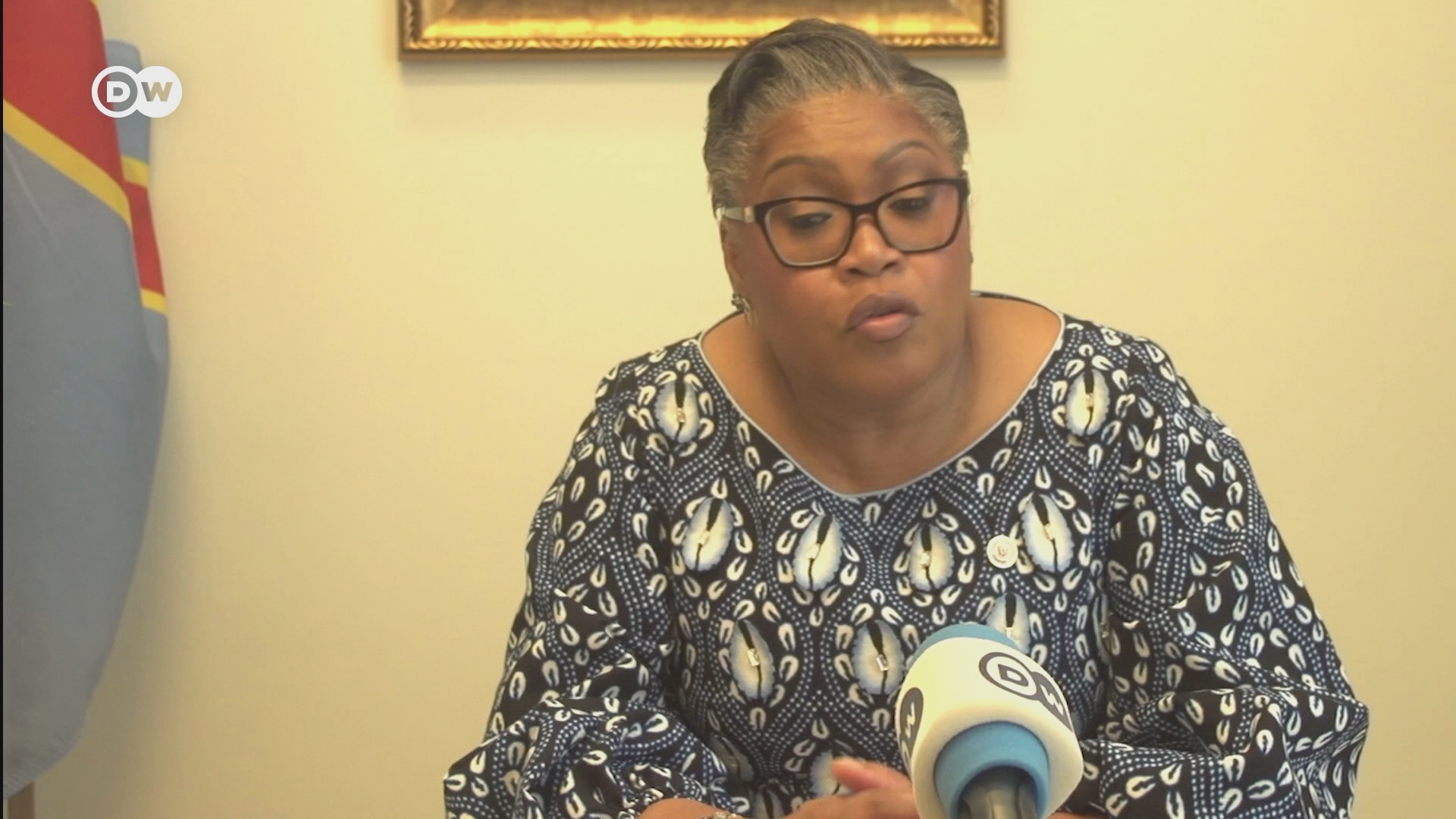
The Democratic Republic of Congo (DRC) has taken center stage at the United Nations, where Prime Minister Judith Suminwa is pushing for stronger international action on war crimes and human rights violations. During her visit to New York for the rotating presidency of the UN Security Council, she outlined the DRC’s urgent priorities—protecting civilians, combating sexual violence as a weapon of war, and ensuring justice for victims.
Democracy and public dissent
Addressing concerns over planned opposition protests against constitutional reforms, Suminwa reaffirmed the DRC’s commitment to democratic principles. “We are a democratic nation,” she stated, emphasizing that while protests are a fundamental right, they must unfold within the boundaries of the law. She called for unity and adherence to constitutional order, warning against actions that could undermine national cohesion.
Safeguarding civilians in conflict zones
The Prime Minister urged the international community to prioritize the protection of civilians in conflict zones, highlighting the DRC’s role in steering global discussions toward this critical issue. She stressed that protecting vulnerable populations—especially women, children, and survivors of violence—requires more than symbolic resolutions; it demands concrete, on-the-ground implementation.
Sexual violence as a weapon of war
Suminwa condemned the systematic use of sexual violence in conflict, describing it as a deliberate tactic that demands urgent attention. She called for its inclusion in ceasefire negotiations, improved victim protection mechanisms, and stronger accountability for perpetrators. “No actor who commits such crimes should go unpunished,” she declared, underscoring the need for effective, impartial justice systems.
Health crises and humanitarian challenges
Beyond security concerns, the Prime Minister addressed the ongoing Ebola outbreak, noting international commitments of nearly $1 billion in aid. The DRC has allocated $50 million of its own funds to combat the epidemic, with disbursements already supporting research and healthcare responses. Suminwa warned that the crisis could worsen if social and economic impacts are not addressed, risking a deeper humanitarian emergency.