Since the early 2000s, African nations have been actively implementing legal frameworks to promote gender equality, particularly in political representation. While progress has been uneven across the continent, several countries have adopted bold measures to bridge the gender gap in governance.
Senegal’s gender parity law: a model with limitations
Senegal took a significant step in 2010 by enacting a gender parity law that mandates gender alternation on electoral lists for multiple election types. This legislative move substantially boosted female representation in the National Assembly and local governments. However, the law stops short of requiring parity in cabinet appointments, which remain at the discretion of the President and Prime Minister. As a result, female ministers are appointed based on political considerations rather than legal obligations.
Chad leads with comprehensive gender parity reforms
Chad has taken a more comprehensive approach to gender equality. An ordinance passed in 2018, followed by a 2021 decree, established strict parity requirements for both elective and appointive positions. The decree explicitly calls for equal access of women and men to decision-making bodies in government institutions.
The reforms set a minimum 30% quota for women in appointive roles, covering cabinet positions, major institutions, and central and territorial administrations. Additionally, new electoral list reforms have been implemented to encourage greater female participation in politics.
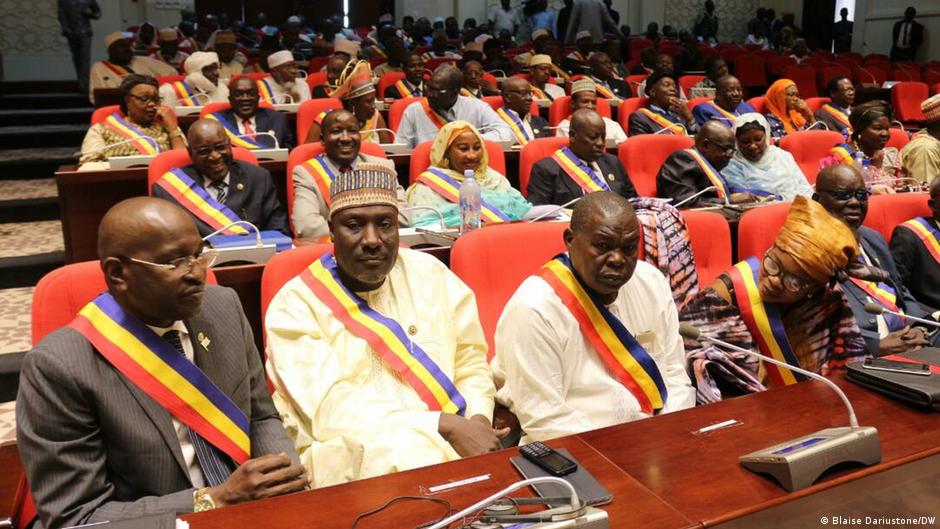
These measures have yielded tangible results. Following the 2024-2025 elections, women now hold 34% of seats in Chad’s National Assembly, with 64 female deputies out of 188 total members. As of the April 2026 government reshuffle, 12 out of 37 cabinet members are women, representing approximately 32% of the government. While these figures mark progress, they also highlight the ongoing challenges in achieving true gender equality.
Despite these advancements, significant barriers remain. Cultural, social, and economic obstacles continue to hinder women’s full participation in political decision-making processes, and women remain underrepresented in many key leadership roles.