Leading up to Côte d’Ivoire’s electoral reforms, the Pan-African Platform for Women and Youth for Peace, Democracy and Governance (2PFJ) has issued a strong appeal for an open, inclusive and constructive political dialogue. The call was formalized in an official statement received by local media on 21 July 2026.
The organization stresses the urgent need to conduct a thorough assessment of the country’s socio-political landscape, which remains fragile following years of recurrent crises. In its view, electoral governance reform is not a technical adjustment but a cornerstone for the future of democracy in Côte d’Ivoire. A mere informational session, the 2PFJ argues, will not suffice to address the deep-rooted challenges facing the nation.
The 2PFJ further recommends that the government elevate the reform process into a structured negotiation platform, engaging all key stakeholders—political parties, civil society and independent voices. Central to this vision is the creation of a future electoral management body rooted in national consensus, ensuring legitimacy and trust among all actors.
To achieve this, the platform proposes the establishment of joint technical committees composed of representatives from government, opposition forces and civil society. These committees would be tasked with defining the mandate, financial autonomy and operational independence of the proposed electoral bodies—or any alternative institutional model adopted.
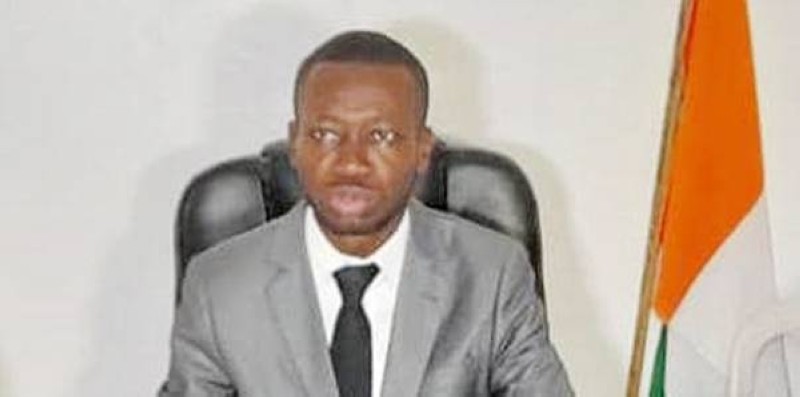
The demands are outlined in a statement signed by Jean-Martial N’Guessan, Chair of the 2PFJ Board of Directors. The platform also calls for immediate measures to restore confidence in the reform process, including the release of individuals detained over politically motivated charges and the safe return of exiles.
A further priority is ensuring meaningful representation of women’s and youth organizations within the new electoral governance framework. Such inclusion, the 2PFJ believes, will strengthen civic oversight and promote peaceful, participatory elections.
Reflecting on Côte d’Ivoire’s turbulent electoral history, the 2PFJ acknowledges the pain and division these crises have caused. Yet, it also highlights the nation’s proven resilience, citing past moments when Ivoirians have united around shared national interests. The current reform, it argues, presents a historic opportunity to build a more stable, peaceful and prosperous Côte d’Ivoire.
This call for dialogue follows a major government-led workshop held on 22 June 2026, chaired by Prime Minister Robert Beugré Mambé. Described as an expanded information session, the meeting convened political parties and civil society groups to explore pathways for sustainable electoral reform.