How Congo’s shadowy intelligence shaped decades of power

By Gilbert MUHIKA, Political Analyst.
In Congo, power wasn’t seized in parliament—it was taken in the shadows. Since 1960, every president, rebellion, and transition has relied on a shadowy figure: the master spy. These men were invisible, feared, and indispensable. The intelligence services in Congo weren’t just state apparatuses; they were the state itself.
When the Sûreté coughed, the Presidential Palace trembled. When the CND listened, ministers fell silent. When the ANR arrested, justice bowed. Why? Because Congo was born in the Cold War, coups, and distrust. On 30 June 1960, independence was declared. By 14 September, Mobutu had staged his first coup. Between them: a void filled by the Sûreté.
The three unofficial missions of Congo’s intelligence
Officially, their job was to gather “political, economic, and social intelligence.” Unofficially, they did three things:
- Protect the leader—from enemies, the army, even the people.
- Monitor everyone—opposition figures, ministers, bishops, students, and the diaspora.
- Instill fear—so no one dared challenge the system.
Three architects of Congo’s reign of terror
From 1960 to 1990, a single system wore three faces. Three men shaped Congo’s culture of fear:
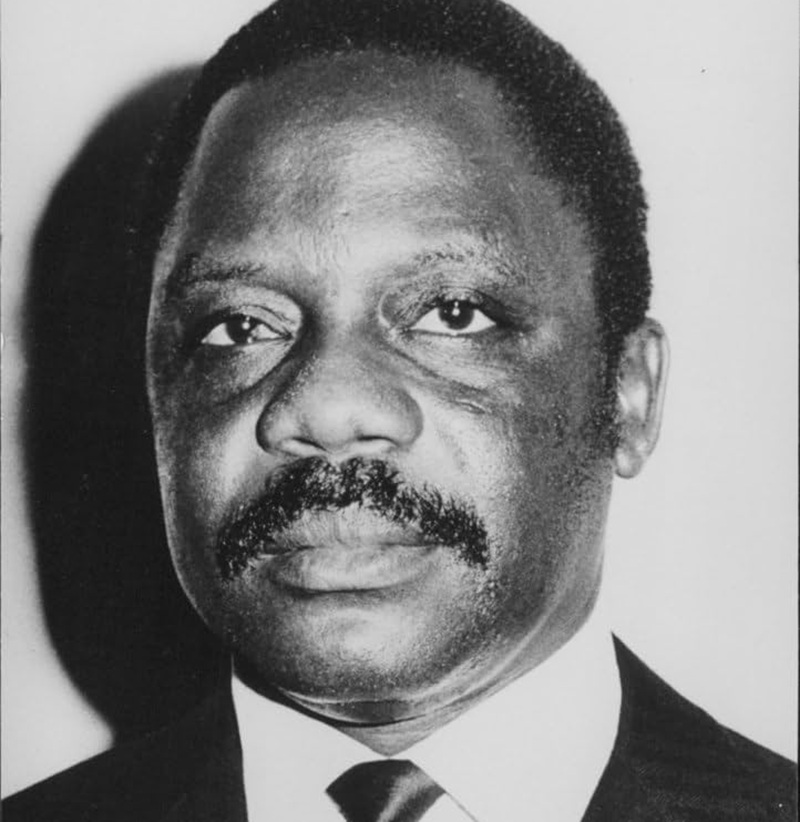
- Victor Nendaka Bika, “The Oufkir”: The nurse turned spy who turned the colonial Sûreté into a political weapon. He created the rule: the head of intelligence answers only to the president, not ministers.
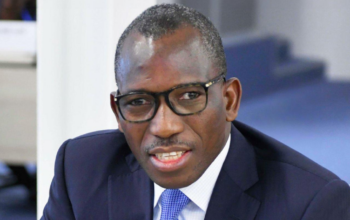
- Seti Yale, “The Grey Eminence”: He professionalized the system. Trained by Israel and the U.S., he built the CND—the Zairian KGB—installing wiretaps, surveillance, and torture as standard.
- Honoré Ngbanda, “The Terminator”: He industrialized fear. The CND became a state within a state. Every ministry had its spy. Every embassy, its antenna. He exported terror to Europe.
The red thread: Who controls intelligence controls Congo
Mobutu understood this from the start. He multiplied intelligence agencies—CND, SNIP, SARM, DSP—ensuring they spied on each other. But he never let one man control the machine for too long. Nendaka was fired in 1965. Seti Yale was sidelined. Ngbanda was dismissed in 1990.
In 1997, the system collapsed with Mobutu. But it didn’t die—it mutated. SNIP became AND, then ANR. The acronyms changed. The dungeons remained. The methods evolved.
A system born in October 1960
Thirty days after Mobutu’s first coup, Nendaka was named director of the National Sûreté. He reorganized it into an efficient intelligence-gathering machine. He created the National Investigations Bureau (BIN), refocusing it from petty crime to tracking and neutralizing Lumumbists. He joined the “Binza Group” with Mobutu and became a key player in the shadow government.
Why was he called the “Congo’s Oufkir”? Like the Moroccan general, Nendaka imposed three rules that haunted Congo for decades:
- The Sûreté stood above the law—Nendaka surrounded his office with troops when a minister tried to fire him.
- Intelligence was a political project—he helped the CIA make and break prime ministers.
- Responsibility vanished—on Lumumba, he always claimed: “It wasn’t me, it was D’Aspremont, Tshombe, Lahaye.”
December 13, 1961: The day Congo’s police staged a coup against its own minister
The scene unfolded in the Sûreté offices. Interior Minister Christophe Gbenye signed a communiqué demoting Victor Nendaka. “Open to reassignment.” Nendaka’s response? A phone call to Mobutu. The president sent armed troops to surround the Sûreté. They threatened to arrest Gbenye if he intervened. Days later, the Moniteur Congolais published the order: Nendaka stayed. Gbenye was out. It was the first time in Congo that a police chief threatened a minister with force—and won. The “Oufkir model” was born.
January 16, 1961: The handwritten note that sealed Lumumba’s fate
Four decades later, an old man still clutched a yellowed sheet in a Belgian inquiry commission. “When we learned Tshombe would host Lumumba, evacuation plans for three prisoners were altered by André Lahaye, a Sûreté agent […] I kept this document,” Victor Nendaka testified.
That document? The transfer order for Patrice Lumumba, Maurice Mpolo, and Joseph Okito to Elisabethville. As head of the Sûreté, Nendaka organized the convoy. On the night of January 17, the three men were executed.
His defense? “Kasa-Vubu approved the transfer because he, like me, believed Lumumba wouldn’t be killed in Katanga. Among us, it wasn’t our custom to kill opponents— palavers under the baobab tree decided fates.”
Historians note: “Victor Nendaka, who had strained relations with Lumumba since the 1960 elections, was suspected of involvement in the incident.”
October 1960: The nurse who turned Sûreté into a political weapon
One month after Mobutu’s coup, Nendaka took charge of the National Sûreté. He quickly reshaped it into an efficient intelligence-collection service, creating the BIN. Its new mission: profiling, surveilling, and neutralizing Lumumbists. He became a key figure in the Binza Group, the shadow council running Congo.
Nendaka’s legacy? A system where intelligence wasn’t just a tool—it was the foundation of power. Even after his 1965 dismissal (too powerful), the machine lived on. Seti Yale and Honoré Ngbanda merely industrialized the methods Nendaka pioneered.
Next in this series: How Seti Yale turned the fledgling BIN into the CND—the Zairian KGB trained by Israel and the U.S.—with exclusive accounts of its dungeons in the 1970s.
Stay tuned for insights into the “Darkness Monster” as seen by his contemporaries.