Gabon’s social media storm: where free speech meets presidential respect
Libreville, Friday, August 14, 2026 – As Gabon prepares to mark 66 years of independence, public discourse in the country has reached a boiling point. The digital sphere has become the latest battleground where political criticism, activism, and personal attacks collide.
In recent days, institutional leaders, political figures, civil society representatives, and media professionals have voiced concerns over a surge of insulting and defamatory remarks targeting President Brice Clotaire Oligui Nguema, his spouse, and close family members.
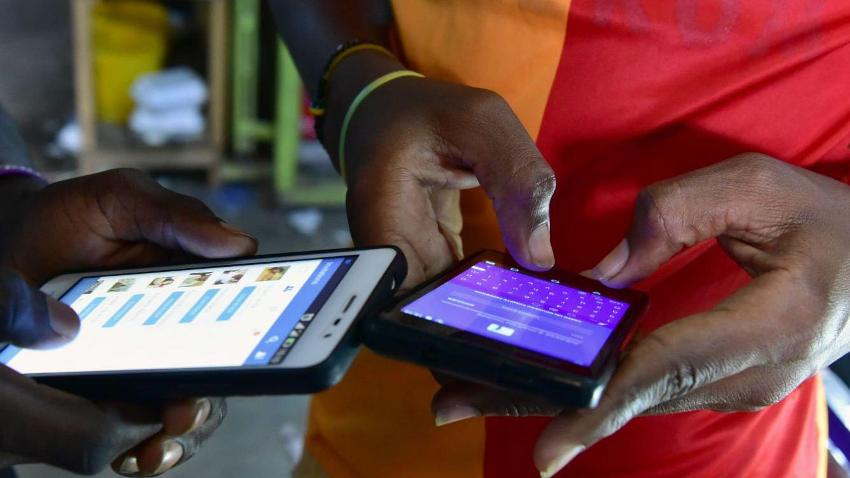
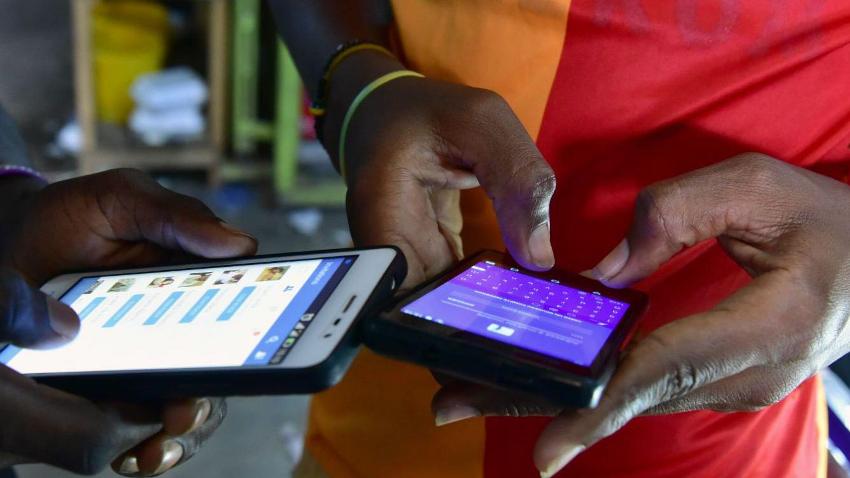
At the heart of this debate lies a pressing question: where should the line be drawn between freedom of expression and the boundaries of decency in an era where social media can amplify dissent — or distortion — within seconds?
The line between criticism and defamation
The National Commission for Democracy and Citizen Participation, led by Dr. Séraphin Moudounga, has urged the government to address what it describes as escalating excesses in both traditional and digital media. Citing constitutional provisions on family, marriage, public freedoms, and respect for others, the Commission argues that some attacks have shifted from political dissent to direct assaults on the presidency itself.
This position has been echoed across the political spectrum. The Women’s League of the Union of Democratic Builders condemned attacks on the presidential couple, while former special delegates of the Transition period criticized statements attributed to activist Landry Mbeng, known as Lanlaire. Political figures such as David Mbadinga, Florentin Moussavou, and Paskhal Nkoulou have called for a return to substantive political debate grounded in argument rather than insult.
Amir Alexandre Carron, a young political and civil society leader, went further, asserting that the attacks on the head of state transcend the individual and strike at the symbolic integrity of the state. The United Media Circle has announced legal action against Ange Landry Mbeng for allegedly spreading false and defamatory information, including claims of internet shutdowns, financial transactions, and intrusions into the president’s private life.
While these statements do not constitute a legal verdict, they signal a growing legal and political dispute that may soon unfold in court.
The stakes go beyond one activist
This controversy exposes a global challenge: social media has redefined the relationship between power, opposition, media, and citizens. A single post can cross borders in seconds, reach millions, and sway public opinion before verification is even possible.
The CNDPC has called for the activation of judicial mechanisms under Gabonese law when content may constitute an offense, even if the authors are abroad. It also advocates for modernizing the legal framework governing cyberspace and fostering regional discussions within CEMAC, ECCAS, and across Africa.
The reference to Europe’s Digital Services Act opens a broader debate on the responsibility of digital platforms, the fight against illegal content, and the protection of citizens. For Gabon, the challenge is to design a system that safeguards personal dignity and public order without turning digital regulation into a tool to silence political dissent.
A strong democracy is not measured by the absence of criticism, but by its ability to tolerate contradiction while drawing clear limits on defamation, threats, and personal attacks. Protecting the presidency cannot mean granting it blanket immunity from scrutiny, nor can freedom of expression be used as a license to insult.
A national moment: debate in the shadow of independence
This debate arrives at a symbolic time. August 15–17, 2026, have been declared public holidays nationwide, allowing citizens to participate in Assumption Day and National Independence Day celebrations on August 17.
As Gabon reflects on its past and projects its future, the quality of its public debate has become a national concern. Calls from diverse actors converge on a shared principle: political opposition is valid, criticism of power is essential, and freedom of expression remains a cornerstone. Yet no lasting democracy can thrive when disagreement curdles into personal hatred.
The real test for authorities will be to enforce the law equitably while preserving the space essential for democratic contradiction. For Gabonese society, the stakes are higher than a social media feud. The question is whether the country can enter a new chapter in its political history with a mature culture of debate — one that allows ideas to clash without destroying people. That may well define a significant part of Gabon’s democratic credibility in the years ahead.
You may also like
Can Togo’s mediation still deliver peace in eastern DRC after Tshisekedi’s latest letter to Gnassingbé?
Mali: did the JNIM ambush on Africa Corps near Niono expose a fatal gap in Russia’s Sahel strategy?
Will Mali’s 73.6 million dollar funding gap decide the fate of millions by 2027?
Guinea-Bissau’s December 2026 vote: can Embaló return legally, and can the result ever be trusted?
Can a $20 million bounty take down Ukraine’s drone war architect?