Libreville, July 8, 2026 – Gabon is poised to embark on one of the most ambitious agricultural transformations in its modern history. Effective January 1, 2027, the nation will officially ban imports of broiler chickens, marking a pivotal moment in the national strategy for food independence championed by President Brice Clotaire Oligui Nguema.
For too long, Gabon has relied heavily on external markets to feed its population. Now, the country is making a decisive economic shift. The core objective is straightforward yet monumental: to locally produce what is currently imported in vast quantities, thereby converting external expenditures into a powerful engine for national economic growth.
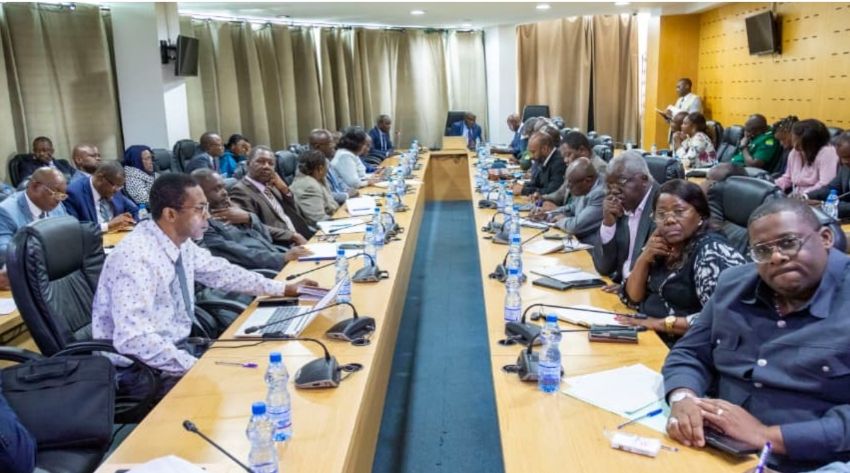
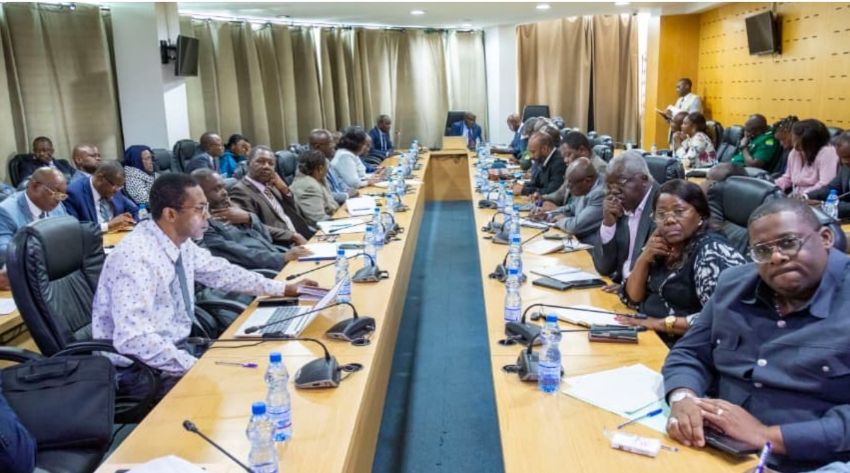
The fifth meeting of the technical committee overseeing this vital reform, chaired this week by government secretary-general Abdu Razzaq Guy Kambogo, underscores the accelerated preparations and the authorities’ firm resolve to meet the established timeline.
A far-reaching economic battle
Poultry meat consumption currently represents one of the largest categories of African food imports. For many nations across the continent, imported frozen chicken has become a stark symbol of structural dependence, which weakens local economies, undermines national agricultural sectors, and exposes consumers to volatile international market fluctuations.
Gabon is determined to reverse this trend. The impending import ban aims to invigorate domestic production, bolster food security, and retain hundreds of billions of CFA francs within the country, funds that presently flow to foreign poultry industries.
This strategic direction aligns with a broader movement observed in several African countries striving to reclaim their food sovereignty following global disruptions caused by health crises, international conflicts, and logistical strains. Food has unequivocally emerged as both a national security imperative and a critical economic concern.
Building local industry before closing borders
The success of this reform, however, hinges on a simple yet unforgiving equation: prohibiting imports without a robust local supply would inevitably lead to shortages and inflation.
It is precisely to preempt such a scenario that Gabonese authorities are intensifying preparatory investments. The Operational Emergency Plan for the Poultry Sector already includes the development of multiple production sites across the country, supported by military engineering expertise.
Sites in Nzamaligué and Ntoum-Tchad have been secured, while the agricultural plains of Ayémé and Woleu-Ntem are projected to ultimately yield nearly five thousand tons of broiler chicken annually. The simultaneous cultivation of maize and soy also forms a central component of this initiative, as animal feed constitutes one of the primary production costs within the poultry sector.
Energy considerations are also integral to the strategy, with plans for solar kit installations at future industrial sites. Access to water, however, remains a significant technical hurdle, necessitating extensive drilling operations.
Three million chicks to redefine the model
Perhaps the most symbolic decision in this national scale-up is the order for three million day-old chicks, anticipated in the coming weeks. An initial delivery of over 262,000 chicks is expected as early as September, with progressive increases in supplies continuing through the end of the year.
These figures offer a glimpse into the immense scope of the undertaking. Beyond mere farming, Gabon is fundamentally striving to construct a comprehensive industrial ecosystem that integrates agricultural production, logistics, animal nutrition, processing, distribution, and significant job creation.
This project could well become one of the premier laboratories for agricultural reindustrialization in Central Africa. The crucial question of execution now remains.
Funding challenges, land tenure issues, still-insufficient road infrastructure, and logistical hurdles could potentially impede this ambitious vision. Nevertheless, the political choice has been unequivocally made. Gabon no longer merely wishes to import its food.
It aims to cultivate its own food security, generate agricultural wealth, and regain control over a vital aspect of its economic sovereignty. In a world where supply chains grow more fragile each year, this gamble may soon be seen not as an exception, but as a crucial necessity for numerous African nations.