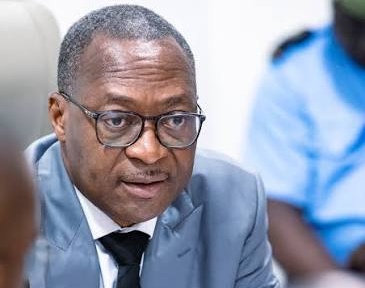
Gabon’s government has formally authorised negotiations with the European Union on a fresh sustainable fisheries partnership, tasking Fisheries Minister Aimé Martial Massamba with leading the preparations. The Council of Ministers, meeting at the presidential palace in Port-Gentil on Friday 18 September 2026, approved the launch of talks for a new Sustainable Fisheries Partnership Agreement (SFPA) and its implementing protocol.
The cabinet also greenlit the official notification of Gabon’s position to the EU, the creation of a national negotiating team, and a schedule for successive rounds of discussions. The government says it is pursuing a partnership that is renewed, balanced and mutually beneficial, while safeguarding Gabon’s sovereignty over its fish stocks and their sustainable exploitation.
The decision follows Gabon’s termination of its previous fisheries agreement with the EU on 4 June 2025. The protocol signed in June 2021, which expired on 28 June 2026, had allowed up to 33 European vessels to fish for tuna species in Gabonese waters. In return, the EU paid Gabon around €1.6 million per year, supplemented by contributions from shipowners.
The renewal push comes as Libreville and Brussels have already been in contact over the future of their cooperation in the sector. In June 2026, the EU said it was ready to negotiate a ‘new generation’ agreement and a new implementing protocol, taking into account the concerns raised by Gabon.
Background
Gabon’s government had announced its intention not to renew the accord in its current form, arguing that it was unbalanced to Gabon’s detriment, both economically and in terms of local processing of fishery resources.
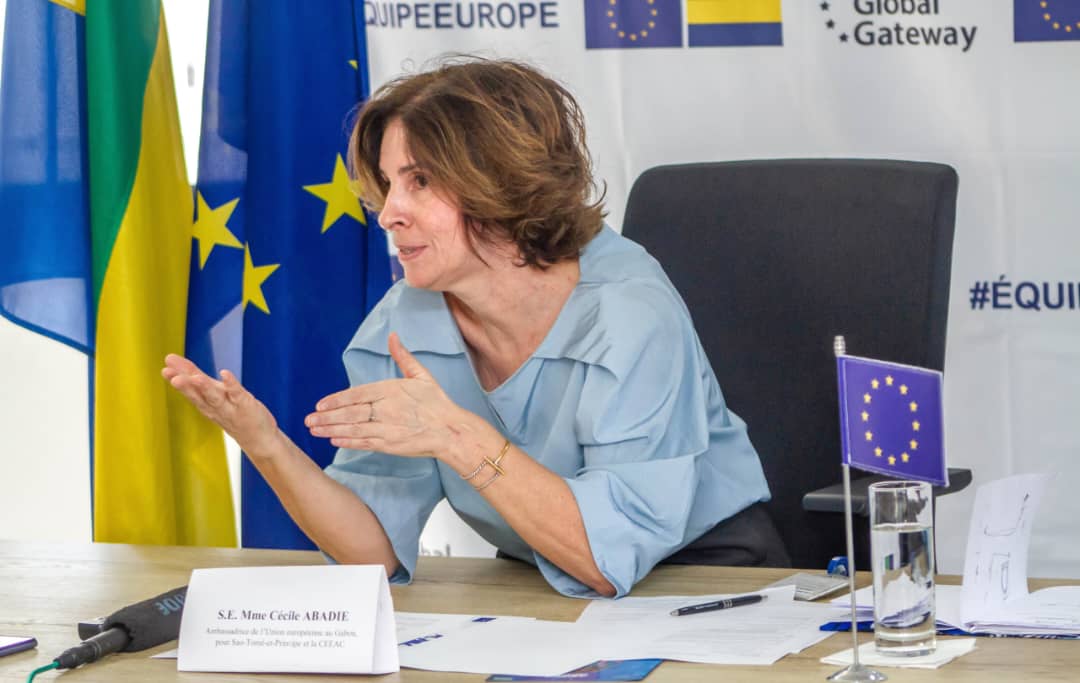
Against this backdrop, the EU Ambassador to Gabon, Cécile Abadie, gave an exclusive interview in which she called for dialogue over confrontation, saying: ‘My wish is that we can sit around the table and discuss each of these points as quickly and as efficiently as possible.’
Her remarks reflect Brussels’ desire to keep the dialogue alive and pave the way for negotiations on a new partnership.
For his part, Minister Aimé Martial Massamba has made fisheries sovereignty, the fight against illegal, unreported and unregulated (IUU) fishing, and the development of a sustainable blue economy top priorities for his ministry.
Nkili Akieme

You may also like
Burkina Faso’s military academy opens as 221,000 citizens flee abroad in 2025
S&P holds Cameroon at B-/B, warning that political succession is now the main risk
Senegal’s 2026 revised finance bill: national assembly confirms receipt after three-day delay
Mali: JNIM’s Dioura attack shatters army’s official narrative
Niger: opposing Tiani’s junta means losing your citizenship