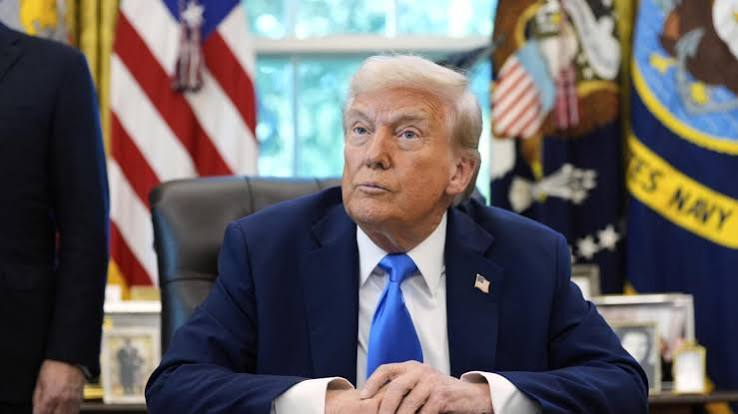
The 2026 US midterm elections, held on November 3, marked a seismic shift in Washington’s political landscape. Early projections showed democrats securing majorities in both the House and Senate, wresting control from republicans by January 2027 while Donald Trump faced a Congress dominated by the opposition. But what forces drove this reversal, and what does it reveal about the nation’s mood?
The economic anxiety driving voter behavior
The midterms unfolded against a backdrop of widespread financial strain, with inflation and rising living costs dominating campaign narratives. Democrats capitalized on this unease, framing their pitch around affordability and stability—issues that resonated deeply with undecided voters in key battleground states. Republicans, meanwhile, struggled to counter the narrative, despite their control of both chambers before the vote.
Key races that reshaped Congress
Several high-stakes contests exemplified the shift. In Ohio, veteran senator Sherrod Brown staged a dramatic comeback against incumbent Jon Husted, securing a seat the democrats had lost in 2024. Meanwhile, Troy Jackson’s victory over Senator Susan Collins in Maine signaled a rejection of long-standing republican leadership. The most historic result came in Michigan, where Abdul El-Sayed made history as the first Muslim-American senator-elect. Alaska’s race remained too close to call, prolonging uncertainty in that chamber.
Swing states that flipped the balance
- North Carolina and South Carolina: Democrats flipped previously republican-held Senate seats, chipping away at the opposition’s southern stronghold.
- Ohio, Iowa, Texas, and Kansas: Districts that had sided republican for years swung blue, reflecting a broader erosion of support.
- Florida and Pennsylvania: Competitive House races in these states delivered critical gains, flipping multiple districts.
What divided government means for Trump’s agenda
With democrats now leading both chambers, Trump will face unprecedented checks on his legislative priorities. House democrats can launch oversight investigations, block key proposals, and shape spending bills—powers they lacked when republicans held the majority. This division sets the stage for contentious negotiations over budgets, regulations, and foreign policy. Democrats have signaled their intent to focus on economic relief and anti-corruption measures, while republicans vow to resist what they call ‘radical’ policies.
A referendum on leadership—or a demand for change?
The midterms results extend beyond party lines, offering a snapshot of voter priorities. Was this a deliberate rejection of Trump’s policies, or a call for bipartisan solutions to economic hardship? Either way, the message was clear: voters wanted accountability, and democrats were positioned to deliver it. Final tallies may adjust margins, but the overall shift in power is already undeniable.
Unfinished business: races still in play
As of November 4, a handful of contests—including Alaska’s Senate race—had yet to be called. The slow pace of vote-counting in some states suggests margins could tighten further. Yet even with these unknowns, the democrats’ projected majorities are strong enough to redefine Washington’s power dynamics for the next two years.