France and Gabon: a strategic partnership renewed
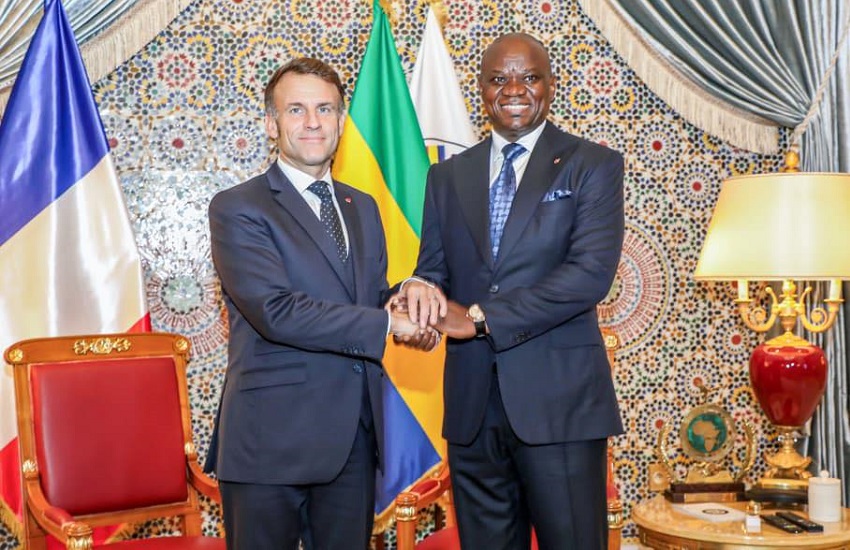
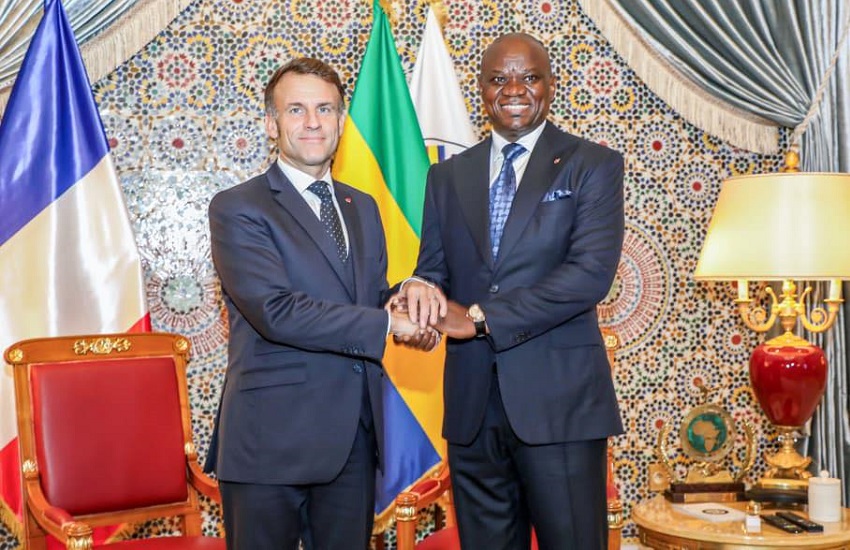
Libreville, June 4, 2026 – The upcoming state visit of Gabonese President Brice Clotaire Oligui Nguema to France on July 20 represents far more than a routine diplomatic engagement. It symbolizes a deliberate shift in how Libreville approaches its relationship with Paris amid a rapidly evolving geopolitical landscape across Central Africa and the continent at large.
Announced during a high-profile interview, this visit underscores Gabon’s decision to carve out a distinct path—one rooted in a revitalized, mutually beneficial partnership. Unlike neighboring nations redefining their ties with former colonial powers, Gabon is opting for a pragmatic approach that prioritizes shared strategic interests.
In a bold statement, President Oligui Nguema has repeatedly emphasized that relations between Gabon and France remain “in excellent shape,” signaling a departure from the confrontational narratives gaining traction elsewhere in the region.
This diplomatic milestone could mark one of the most consequential moments in the early years of Gabon’s new presidency.
From historical ties to a modern partnership
Since gaining independence in 1960, Gabon has maintained a relationship with France that has consistently stood out in Africa’s diplomatic framework. Under leaders like Léon Mba, Omar Bongo Ondimba, and Ali Bongo Ondimba, cooperation spanned security, economics, education, infrastructure, and military presence—establishing France as a cornerstone ally.
For decades, Gabon was regarded as one of France’s most reliable partners on the continent. Yet today’s global order demands a recalibration. The rise of new global players—including China, the United Arab Emirates, Turkey, and India—has reshaped power dynamics, compelling African states to assert greater control over their resources and foreign policy decisions. Gabon is no exception.
The bilateral relationship is no longer defined by historical inertia. Instead, it is evolving toward a model of cooperation built on economic synergy, skills transfer, and local value creation.
A pragmatic approach to security
One of the most scrutinized aspects of this visit will be defense cooperation. Addressing reports of France’s planned withdrawal from the Camp de Gaulle base in Libreville, President Oligui Nguema was unequivocal: the restructuring of French military presence is France’s initiative, not a response to any dispute between the two nations.
“We did not drive them out,” he stated, a clarification that carries significant weight in today’s African context. While several Sahelian countries have abruptly ended military cooperation with France, Gabon is embracing a measured strategy—one that preserves operational gains while gradually building national autonomy.
The transformation of Camp de Gaulle into a national training center, with a Gabonese name replacing that of the French general, further reinforces this message of sovereignty—without rejecting cooperation.
Rethinking economic engagement
Beyond symbolism and security, the real test of this partnership lies in economics. France remains a major investor in Gabon, with French firms holding strong positions in key sectors. Yet Libreville now demands that economic cooperation yield tangible benefits for its people.
This demand has taken shape in recent debates over local processing of raw materials, job creation, and industrial development. The upcoming meeting between President Macron and President Oligui Nguema offers a chance to reframe these discussions—not merely to attract capital, but to foster a partnership that supports Gabon’s economic diversification while offering French businesses a stable, attractive environment.
Building a mature, balanced relationship
The July 20 state visit arrives at a pivotal moment. Gabon seeks to strengthen its sovereignty while leveraging partnerships that drive development. France, meanwhile, is recalibrating its role in Africa amid growing skepticism toward its historical influence.
The days of unequal, transactional relationships are over. Both nations are now focused on building a balanced partnership—one grounded in mutual respect, shared interests, and the recognition of Gabon’s right to define its own future.
The success of this diplomatic initiative will not be measured by official statements alone, but by the ability of both countries to transform a legacy of cooperation into a forward-looking, equitable partnership for the 21st century.