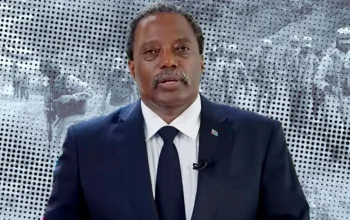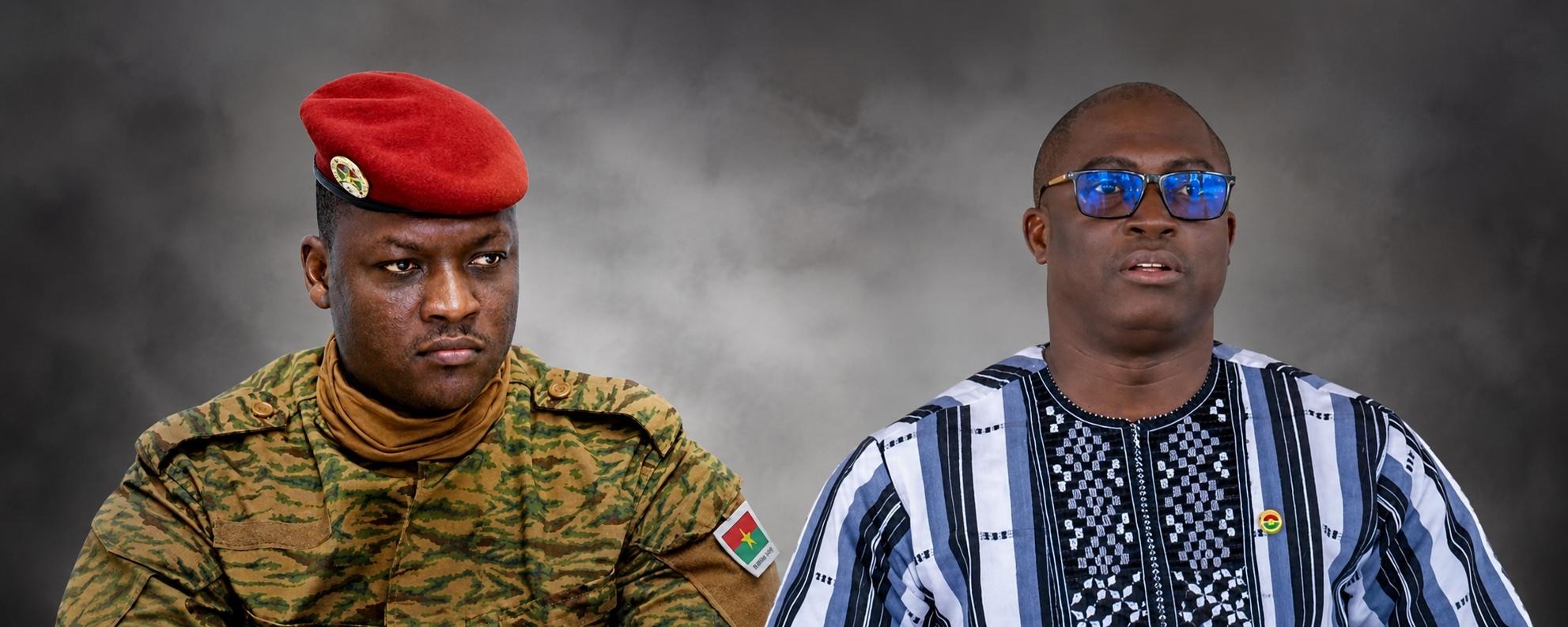
Three high-ranking public officials—one from the Presidency, another from the Ministry of Water and Forests, and a third from the Ministry of Information and Communication—have been dismissed from their posts in a government reshuffle. Their removal, however, exposes a far deeper issue: the widespread presence of fraudulent academic credentials within Burkina Faso’s civil service. This revelation is not merely an administrative oversight but a symptom of systemic failure that undermines national progress.
How fake degrees hollow out state institutions
At first glance, forged diplomas may appear to be a minor infraction, but their consequences are devastating. The appointment of unqualified individuals to strategic roles cripples decision-making processes, stripping public administration of the expertise required to address the country’s complex challenges. A nation in the midst of rebuilding—grappling with economic instability, security threats, and social unrest—cannot afford to be led by those lacking the necessary academic rigor and analytical depth.
Without the foundation of rigorous academic training—rooted in research, methodological discipline, and intellectual debate—these officials are ill-prepared to interpret macroeconomic indicators, assess financial mechanisms, or develop innovative solutions. Instead of driving progress, they perpetuate a cycle of reactive governance and bureaucratic inertia, where policies are crafted through guesswork rather than evidence.
The quiet erosion of professional integrity
The ripple effects of this fraud extend beyond individual incompetence. Within ministries, the presence of unqualified appointees fosters a toxic work environment where mediocrity thrives. Those who rise to power through deception often surround themselves with similarly complacent colleagues, creating a self-reinforcing cycle of underperformance. Genuine talent, innovation, and ambition are systematically sidelined in favor of loyalty over competence. The result? A public administration that prioritizes appearances over results, where strategic visions remain trapped in policy documents rather than being translated into tangible action.
Time for decisive action against credential fraud
Burkina Faso’s civil service cannot afford to operate at a deficit of credibility. The dismissal of a few officials, while necessary, is insufficient to address the root cause of this crisis. A comprehensive, transparent audit of all academic credentials held by civil servants is now imperative. This audit must be thorough, technology-driven, and free from political interference, ensuring that every qualification is verified against authentic records.
Without such measures, the state’s ability to implement meaningful development strategies will remain stifled. Development initiatives will continue to be mere lip service, devoid of the expertise required to turn vision into reality. Restoring public trust and revitalizing governance begins with confronting this epidemic of fraud head-on. The time for half-measures is over; Burkina Faso deserves an administration built on merit, not deception.