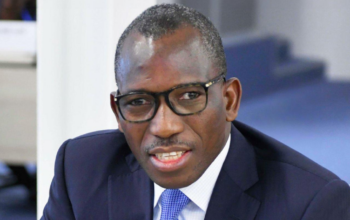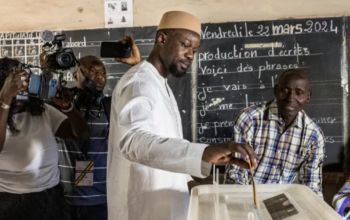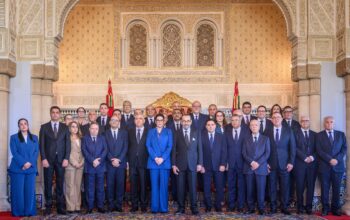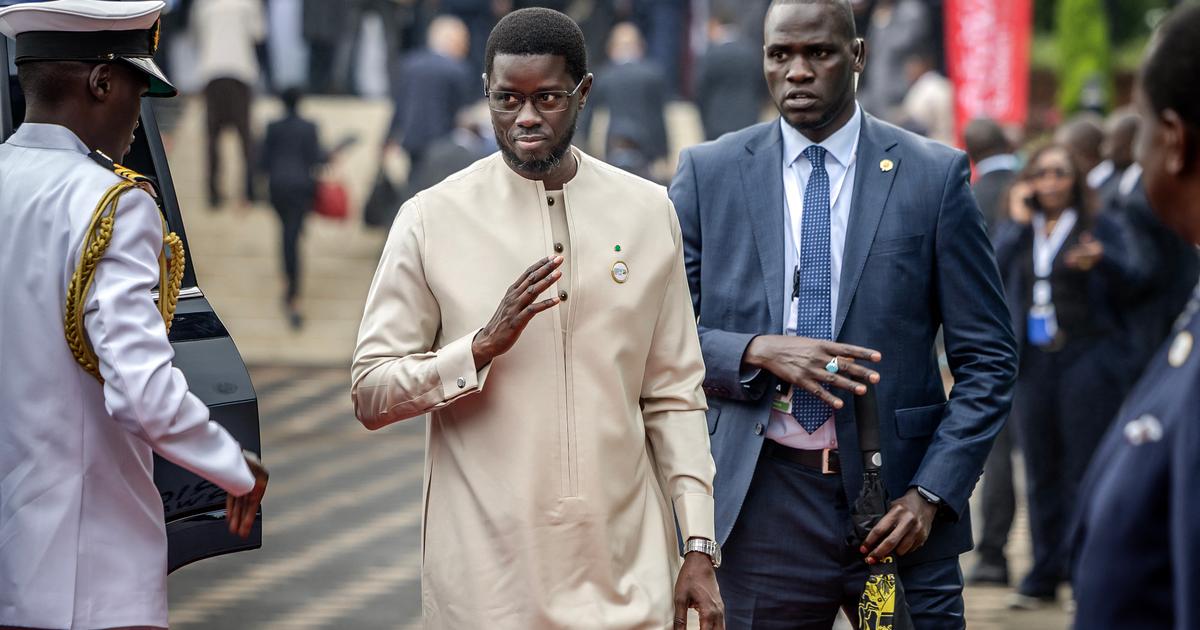
In a span of just four days, Senegal’s political landscape underwent a dramatic transformation. On May 22, President Bassirou Diomaye Faye dismissed Prime Minister Ousmane Sonko, replacing him with Ahmadou Alhaminou Mohamed Lô on May 25. By May 26, Sonko was elected President of the National Assembly, marking a “political reshuffle of unprecedented speed.” Observers note this rapid realignment has shifted the “power dynamics” within the country’s leadership.
What does this mean for the nation’s financial future? With Senegal “on the brink of a financial precipice,” as economist Abdoulaye Ndiaye warned, the stakes couldn’t be higher. Public debt now stands at 132% of GDP, while rising energy costs—amplified by disruptions in the Strait of Hormuz—have further strained the economy. The question looms: could this new political configuration pave the way for closer cooperation with the International Monetary Fund (IMF)?
Previously, the IMF’s proposed economic restructuring faced resistance from the Pastef party. However, recent developments suggest a potential shift in sentiment, leaving many to wonder whether Senegal’s leadership may now embrace more pragmatic fiscal policies.