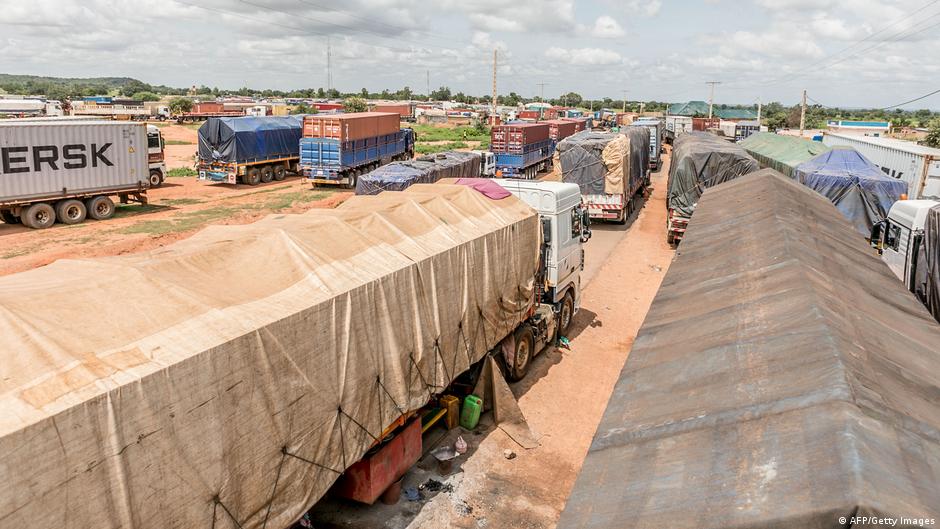
Bénin-Niger : les impacts de la fermeture de la frontière
The extended closure of the border between Niger and Bénin, initiated after the military coup on July 26, 2023, has triggered substantial economic repercussions across the region.
The economic strain on Niger continues as a direct result of the Bénin-Niger border shutdown. For many months, businesses and transporters operating in this part of West Africa have been forced into urgent adaptations to sustain their activities.
Nigeria emerges as an alternative route
The Bénin corridor traditionally served as a vital supply route for Niger. Its closure compelled numerous merchants to divert their trade through Nigeria, an option proving to be longer, more expensive, and fraught with increased risks.
Yacouba Dan Maradi, a Nigerien economic operator, shared his perspective: “We experienced impacts across the board — emotionally, commercially, and financially. It’s a harsh reality. While we temporarily utilized the Nigeria bypass, it wasn’t without its own set of financial risks. Nevertheless, I believe we are now moving past those challenges.”
Profitability takes a hit
Hydrocarbon transporters are also grappling with significant challenges. Extended delivery times have severely diminished the profitability of their operations.
Mody Hassane, Secretary-General of the Hydrocarbon Transporters’ Union, elaborated on the dire economic situation for drivers.
He stated, “The border closures have profoundly affected our transport sector’s economy. Previously, drivers completed two to three trips monthly. Now, a single journey can span two to three months. We’re no longer discussing economics; we’re facing substantial losses.”
The Nigerien economy continues to endure the fallout from its border closure with Bénin, marked by escalating logistical costs and a marked deceleration in commercial exchanges.
Today, both merchants and transporters are holding out hope for a lasting normalization of trade between Niger and Bénin. Their aim is to revitalize economic activity and restore the regular flow of goods, crucial for the entire West Africa Sahel region.