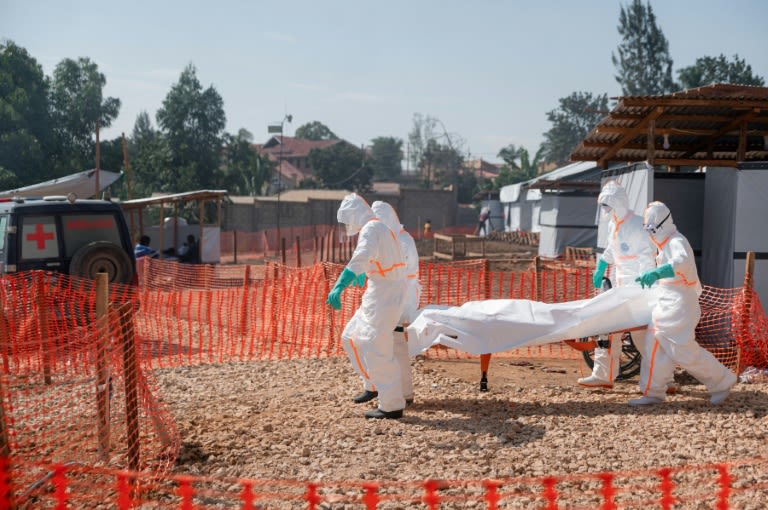
Ebola outbreak spreads to sixth province in Democratic Republic of Congo
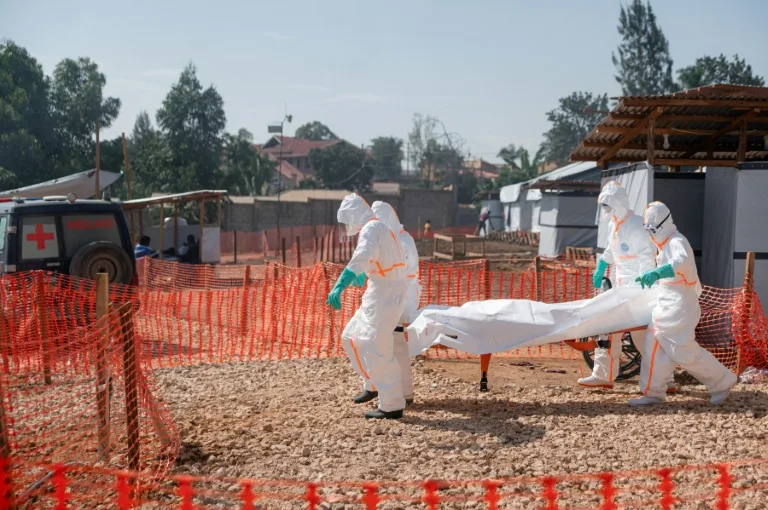
The Ebola outbreak in the Democratic Republic of Congo (DRC) has expanded to a sixth province in the country’s north, raising concerns about further regional spread, including to neighboring South Sudan. This marks the 17th Ebola epidemic declared in the DRC, now recognized as the most severe in its history.
The previous deadliest outbreak in the DRC claimed nearly 2,300 lives out of 3,500 reported cases between 2018 and 2020. Since the latest declaration on May 15, the current outbreak has already resulted in over 2,128 deaths from 4,566 confirmed cases within just three months—a staggering increase compared to the West Africa epidemic in 2014.
Previously, five provinces were affected: Ituri (bordering Uganda and South Sudan), North Kivu, South Kivu, Haut-Uélé, and Tshopo. However, health officials confirmed the first Ebola-related death in Bas-Uélé province, located in the north and bordering the Central African Republic. The victim had traveled from the neighboring Haut-Uélé province, where cases had already been reported, according to Africa CDC Director General Jean Kaseya.
Rapid spread raises global alarm
During an online briefing with journalists, Kaseya highlighted that the outbreak is progressing at an unprecedented rate worldwide. The Africa CDC emphasized that the situation demands urgent international attention.
In a stark warning, the humanitarian organization Mercy Corps reported that confirmed cases are now just 35 kilometers from South Sudan’s border along high-risk movement corridors. The NGO stressed the critical need for enhanced surveillance and cross-border coordination to prevent further spread.
Challenges hinder response efforts
Efforts to contain the epidemic are severely hampered by overwhelmed health services, inadequate access to clean water and sanitation, and widespread community mistrust. Insecurity in the North and South Kivu provinces, particularly due to clashes between the Congolese army and the M23 rebel group—allegedly supported by Rwanda—has further complicated response operations. These provinces remain divided by active frontlines, restricting access to affected communities.
Signs of progress amid adversity
Despite the grim outlook, health authorities announced the end of the Ebola outbreak in South Kivu after over 42 days without new cases. Additionally, a suspected Ebola-related death reported on a boat traveling the Congo River toward Kinshasa in early August did not lead to further infections among passengers, who were allowed to disembark near the capital last Friday.
Understanding Ebola’s threat
Ebola, transmitted through contact with bodily fluids, causes severe hemorrhagic fever. Over the past five decades, the virus has claimed more than 15,000 lives across Africa.