The Democratic Republic of Congo is currently grappling with a significant health crisis, as public health authorities have recorded 1,003 confirmed cases of Ebola, leading to 254 fatalities. This translates to an average case fatality rate of 25.3% across the affected regions.
The vast majority of these infections and deaths are concentrated in Ituri, a remote province in the country’s northeast, which accounts for 91.3% of all cases and 80.7% of the reported deaths. This area is already contending with persistent violence from various armed groups, complicating humanitarian efforts.
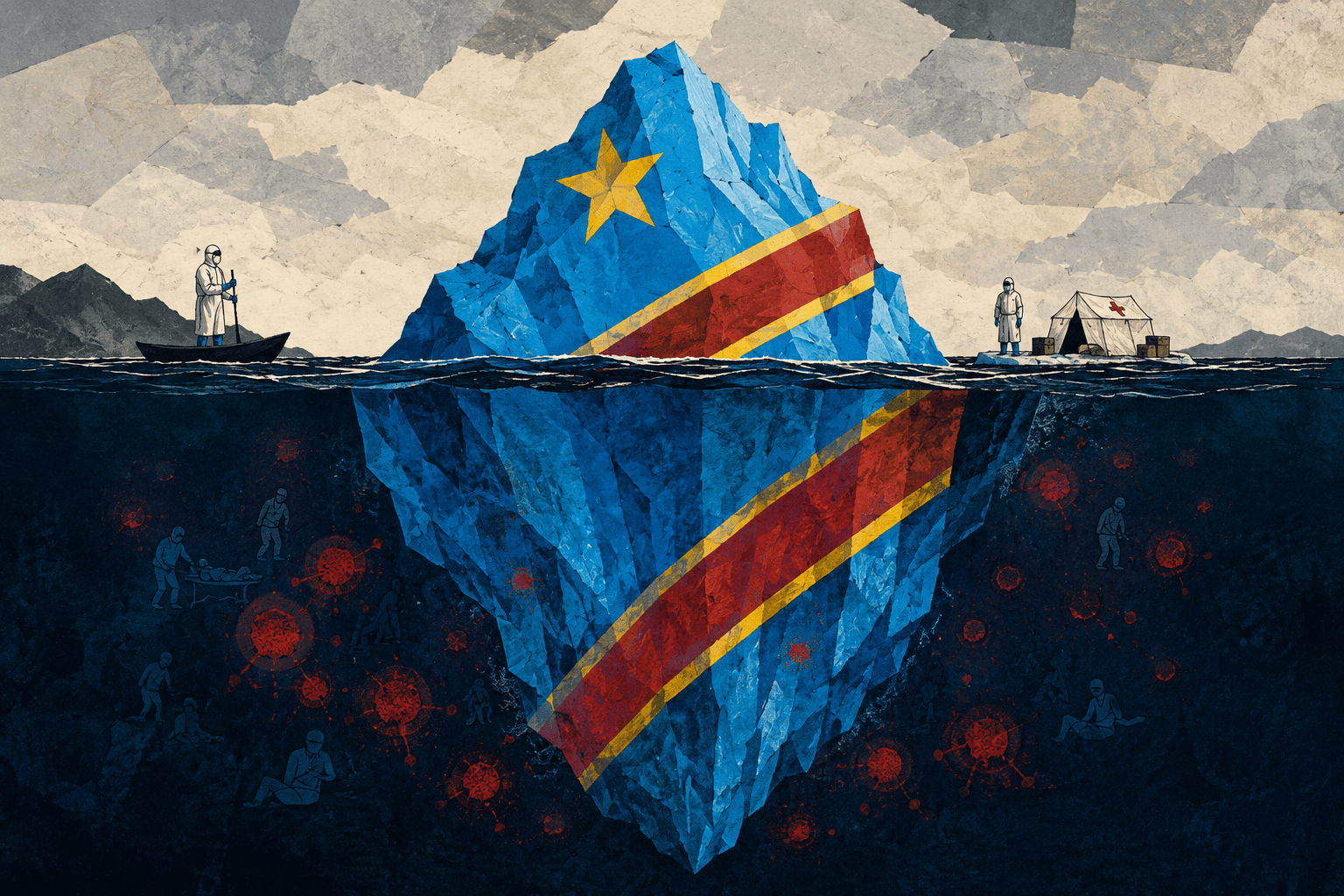
While the DRC’s capacity for testing has notably improved since the initial phase of the outbreak, contributing to the increased number of identified cases, there is a widespread consensus among international humanitarian organizations and non-governmental groups on the ground that the official figures still represent a significant underestimation of the true scale of the epidemic.
In total, three provinces within the Democratic Republic of Congo are impacted: Ituri, along with its neighboring Nord-Kivu and Sud-Kivu. Together, these regions are home to an estimated 15 million people. The virus has also crossed borders into neighboring Uganda, where twenty confirmed cases and two deaths have been documented.
response efforts face significant hurdles
In Ituri, the health response — primarily focused on isolating infected individuals and meticulously tracing their contacts — has been intensified. However, comprehensive organization and effective implementation continue to be a struggle.
A critical challenge lies in the specific strain of the virus responsible for this outbreak: Bundibugyo. Currently, there is no approved vaccine or specific treatment available for this particular variant. Existing Ebola vaccines have proven effective primarily against the Zaire virus, which has been responsible for the largest Ebola epidemics known to date.
At the onset of the outbreak, local healthcare facilities were quickly overwhelmed. Subsequent Ebola treatment centers, established with support from the World Health Organization and numerous NGOs, are now operating at over 80% occupancy, according to national health data.
More than a month after the official declaration of the epidemic, health structures in this impoverished nation often operate with limited resources and still face critical shortages of essential protective equipment and disinfectants like chlorine. Tragically, 78 healthcare professionals have contracted the virus, with 18 succumbing to the illness.
Medical and humanitarian workers also confront deep-seated distrust within local communities. A reluctance to permit post-mortem examinations contributes significantly to the underreporting of cases. Recent weeks have seen incidents at hospitals, including confrontations with distressed residents demanding the bodies of loved ones who died from the disease.
Epidemiologists and humanitarian experts alike warn that the peak of this epidemic has yet to be reached. There are growing concerns that this health crisis could persist for an extended period, potentially lasting anywhere from six months to a full year. The delay in officially declaring the epidemic, which occurred approximately two months after the first suspicious deaths were noted around March 20, allowed the disease to spread unchecked and establish a foothold of unknown proportions before containment measures could even begin.