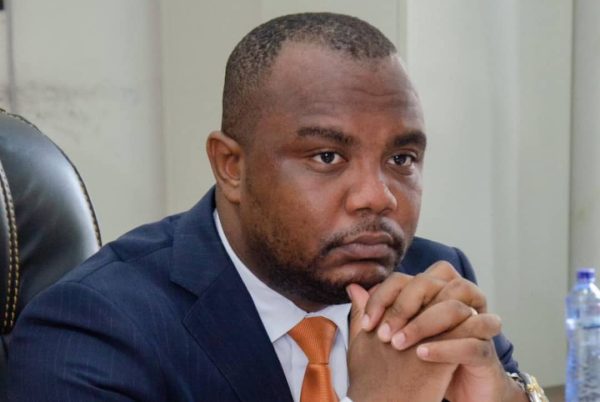
The head of the Democratic Republic of Congo’s media regulatory body is taking decisive action against TikTok accounts spreading propaganda for the M23 rebel group. Christian Bosembe, president of the High Council for Audiovisual and Communication (CSAC), warns the platform will be shut down imminently unless it removes these accounts.
Bosembe condemns what he calls an unacceptable situation, where a self-proclaimed terrorist like Corneille Nangaa is given a digital megaphone in a country at war. He argues that TikTok’s inaction enables content that directly threatens national stability and security.
Would a Hezbollah account operate freely in France? Would Al-Qaeda’s propaganda circulate openly in the United States? Bosembe poses these rhetorical questions to highlight what he sees as a double standard. In the DRC, rebel leaders accused of atrocities against civilians continue to spread their messages unchecked, he emphasizes.
The CSAC leader has directly challenged TikTok’s management, demanding they align with global norms where such platforms do not host content from designated terrorist groups. With no satisfactory response received, the regulatory body is moving forward with a shutdown.
The decision is framed as a necessary step to uphold public order and national unity. Bosembe points to Gabon’s recent ban on TikTok as precedent, reinforcing that DRC authorities will not tolerate digital platforms becoming tools for destabilization. The M23 rebels, accused of mass civilian killings in eastern DRC, stand accused of orchestrating these attacks with support from neighboring Rwanda to exploit mineral wealth. For Bosembe, silencing their online presence is a strategic imperative.
“At some point, the Congolese state must assert its dignity. And to do so, these networks must be shut down,” he states firmly.
This move also signals a broader shift in how the DRC views digital sovereignty. In an environment where media warfare is intensifying, authorities aim to reclaim control over social platforms accused of amplifying enemy narratives. The CSAC’s decision could set a new precedent for social media regulation in conflict zones.
You may also like
Will the AES ever launch its own currency? The question Traoré keeps leaving unanswered
Can Ibrahim Traoré’s 300 armored vehicles claim survive scrutiny? Inside Faso Armored’s made-in-Burkina Faso gamble
Can Washington force third-country deportations? Ivory Coast’s refusal raises the stakes
Will Benin’s AEO exporters finally crack the Chinese market?
Northern Niger’s unanswered question: can Tiani’s government deliver water and power where it matters most?