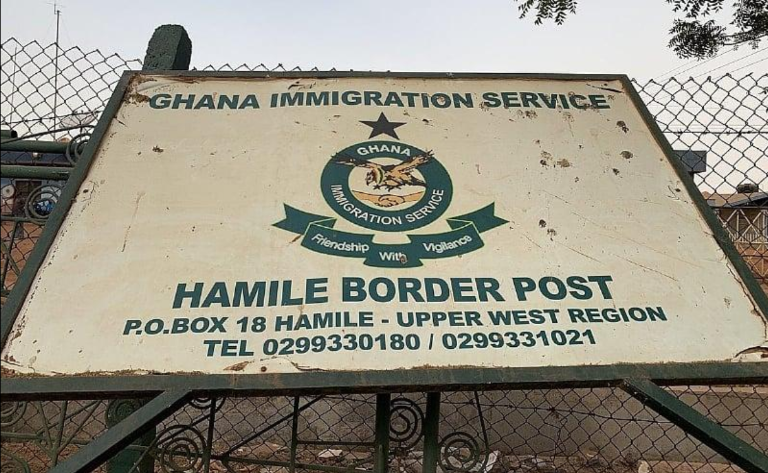
The tranquil border town of Hamile in Ghana’s Upper West region was shattered by a deadly explosion that has exposed critical vulnerabilities in the country’s border security apparatus. Several people lost their lives, including a Ghana Immigration Service officer, when a tricycle transporting suspected explosives detonated during a security operation near the Burkina Faso border.
This unprecedented incident on November 3, 2026, forces a closer look at the behind-the-scenes factors that may have contributed to the tragedy. While official investigations are ongoing, preliminary evidence suggests a breakdown in coordinated security measures and a failure to address systemic risks linked to uncontrolled cross-border movements.
What went wrong during the interception operation
Security sources indicate that the tricycle, allegedly carrying dynamite and other explosives, was traveling along an unauthorized route close to the border. When security personnel attempted to halt the vehicle, the occupants did not comply, prompting a pursuit.
The situation escalated rapidly. What began as a routine interception attempt ended in catastrophe when the explosives detonated, killing the immigration officer and critically injuring another security official. Evidence suggests the civilians transporting the materials perished in the blast as well, though full confirmation remains pending.
This sequence of events raises serious questions about operational protocols and the readiness of frontline security teams to handle high-risk situations involving hazardous materials.
Hamile: a crossroads of trade and risk
Hamile sits in a precarious position—geographically vital for transnational trade, yet highly exposed to security threats. The town lies just a few kilometers from Burkina Faso, a country grappling with escalating jihadist violence and widespread displacement.
The Ghana Immigration Service and other security agencies maintain a visible presence in the area, with checkpoints and patrols designed to monitor irregular movements. However, the use of unauthorized routes by smugglers and traders has long complicated enforcement efforts.
This porous environment not only facilitates illicit trade but also increases the likelihood of hazardous materials entering the country undetected.
Why unauthorized paths are a persistent challenge
Despite ongoing surveillance, some communities rely on informal border crossings for daily livelihoods, including livestock trade and small-scale commerce. These pathways are often undocumented and unmonitored, making it difficult for security forces to distinguish between routine activity and criminal intent.
In the case of Hamile, reports suggest the tricycle operator may have intentionally used such a route to avoid detection—placing both security personnel and civilians in unexpected danger.
Regional instability and Ghana’s frontline dilemma
The explosion in Hamile occurs against a backdrop of deepening instability across the Sahel. Burkina Faso’s ongoing security crisis—marked by frequent armed attacks and massive population displacement—has heightened concerns in neighboring states like Ghana.
Ghanaese authorities have increased vigilance in the northern regions, deploying additional patrols and intelligence-sharing with regional partners. Yet the Hamile incident underscores how quickly local risks can escalate when regional spillover effects are not adequately contained.
It is critical to note: at this stage, no verified evidence links the explosion to a jihadist group or confirms a terrorist motive. All current assessments point to an accident during the transport and interception of suspected explosives.
What’s next: prevention, accountability, and cooperation
As Ghana prepares for a comprehensive investigation, the focus has shifted to three priority areas: prevention of future incidents, accountability for those responsible, and enhanced cross-border cooperation.
Strengthening border control without harming local livelihoods
Efforts to tighten security must balance effectiveness with sensitivity to the socioeconomic realities of border communities. Blanket restrictions risk alienating residents whose survival depends on cross-border trade. A more sustainable approach involves community engagement, intelligence-led patrols, and the use of technology to monitor unauthorized routes.
Unified intelligence and rapid response
Key to preventing such tragedies is seamless coordination between Ghana’s security agencies, local governments, and neighboring Burkina Faso’s authorities. Real-time information sharing and joint patrols could help neutralize threats before they materialize.
The Hamile explosion serves as a stark reminder: in a region where instability spreads fast, security cannot be managed in isolation.
The road ahead for Ghana’s border security
The death of a national security officer and the injury of another are not just statistics—they are a call to action. The findings of the investigation will shape Ghana’s future border policy, influence regional security partnerships, and determine public trust in the state’s ability to protect its people.
While full clarity may take time, one thing is certain: the lessons from Hamile must drive meaningful change. Preventing the next tragedy begins with acknowledging the hidden vulnerabilities that allowed this one to occur.